The speed at which a cell produces proteins is a decisive factor in determining whether it divides, specializes, or retains its stem cell properties. A team of researchers has worked with international partners to demonstrate directly for the first time that the amount of ribosomal RNA (rRNA) directly regulates these processes. Their results have been published in the journal Science.
It has been established for some time that the amount of ribosomal RNA differs between different types of cells and is altered in the case of a number of diseases. But it remained unclear whether these specific characteristics are the cause or merely the result of biological processes.
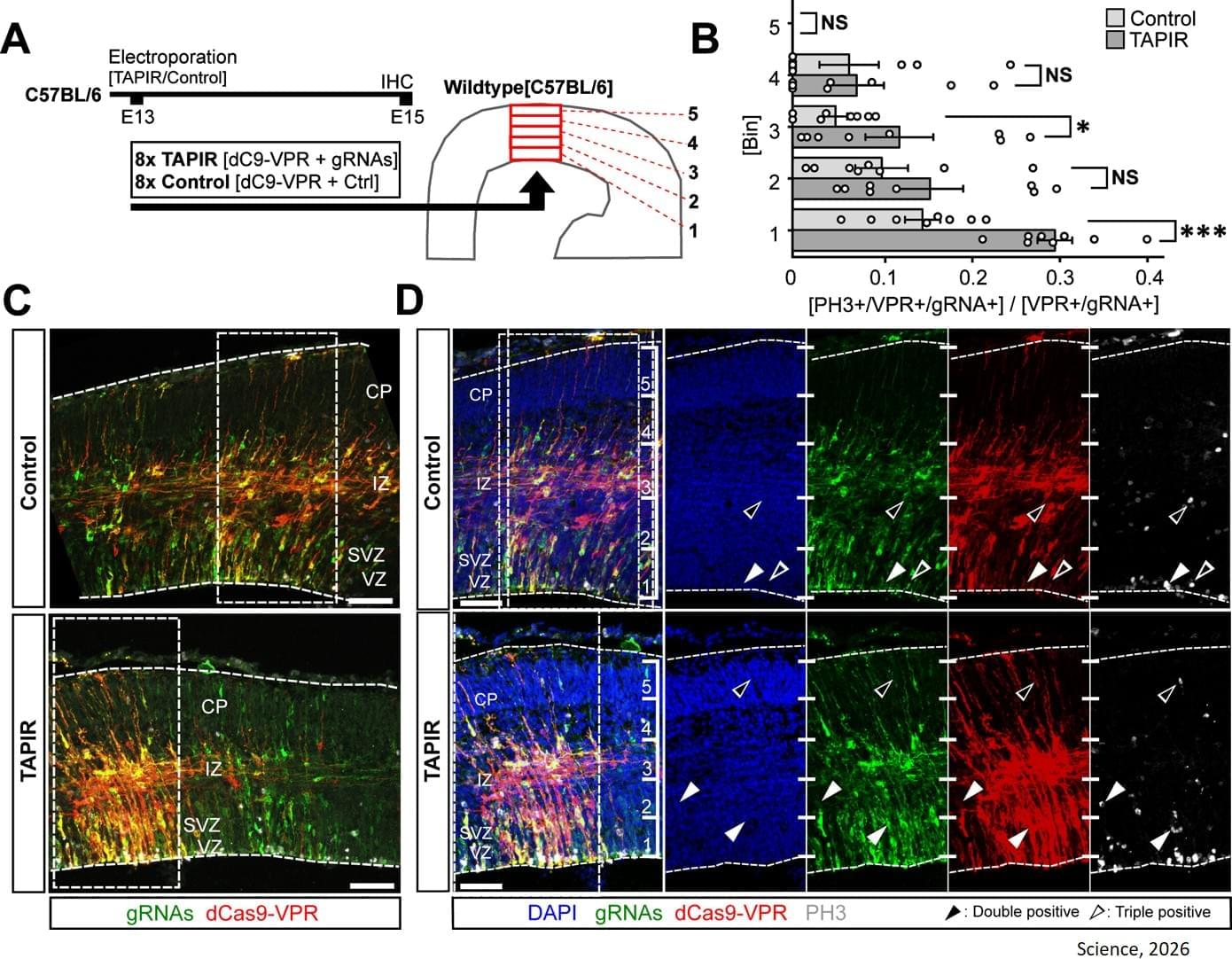
With the newly developed CRISPR-based method TAPIR (Targeted Activation of Protein Translation), researchers now have access to a tool that can boost the activity of ribosomal genes and influence a cell’s protein production as a result. “Our new study shows that targeted activation of rRNA production significantly increases protein synthesis,” explains the lead author of the publication.