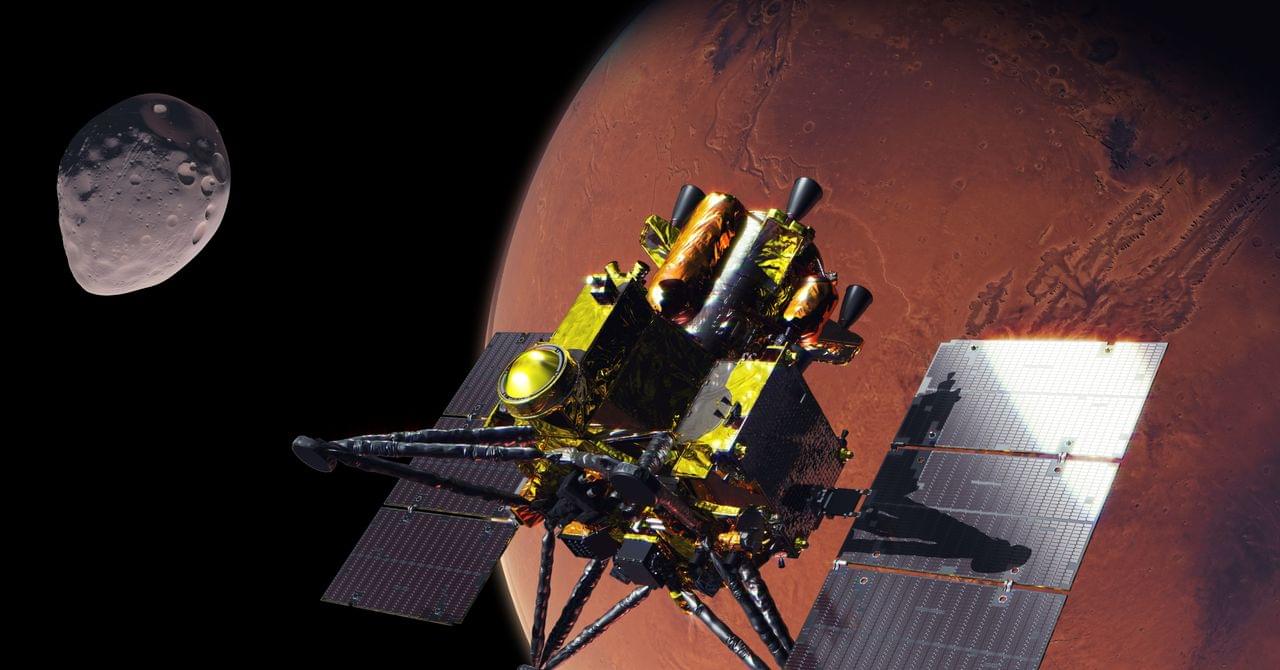
Once on the surface, a robotic arm will drill cylindrical tubes into the surface to collect samples. The probe is also equipped with a device first developed by NASA that uses a stream of nitrogen gas to collect fine particles from the very top layer of dust. Whether or not Phobos originated from an impact with the planet, experts believe Martian sand can be obtained from the lunar surface. Over time, meteorite impacts have blasted materials off Mars, coating its moons. Scientists expect about 0.1 percent of the samples collected will be debris from Mars itself.
Costing about $345 million US, this mission marks Japan’s first Mars probe launch in 28 years. Beyond the scientific insights it’s expected to provide, from an engineering perspective, the mission aims to test new technologies that could aid future sampling and round-trip travel to Mars.
MMX is scheduled to launch from the Tanegashima Space Center on October 20, 2026.