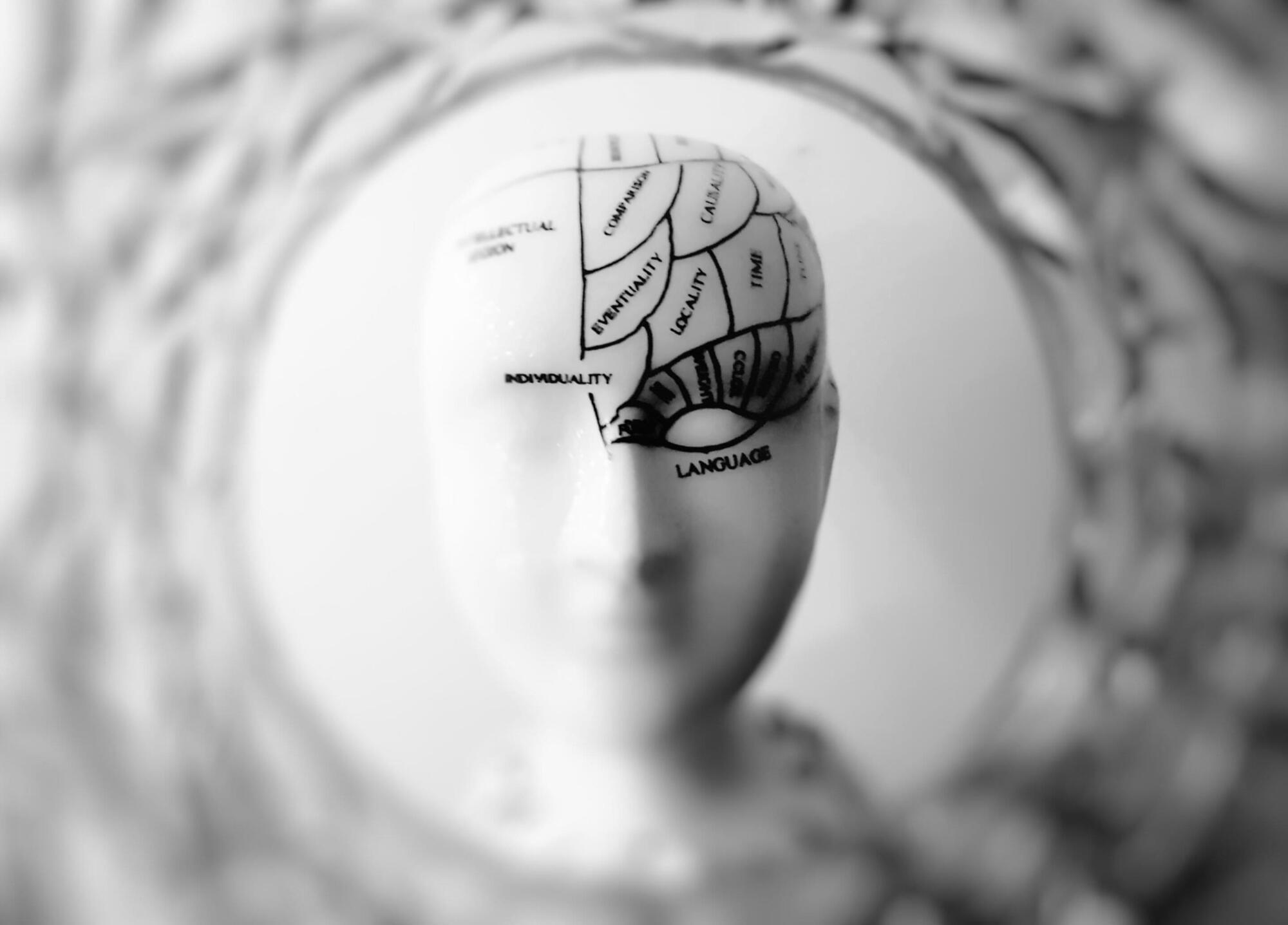
For centuries, scientists have thought of the brain as a single, unified organ. But new research led by Stanford Medicine reveals that what we call the brain is two distinct organs that evolved independently over hundreds of millions of years.
The discovery overturns a prevailing model of brain development. For decades, researchers have subscribed to the theory that a single progenitor cell early in development gives rise to the entire brain. This model suggested all parts of the brain shared a common developmental origin.
The new findings show that the human brain consists of two ancient nervous systems packaged together—a more primitive part that regulates our hearts’ beating, breathing and other functions, and another that makes us distinctly human, capable of poetry, mathematics and wondering about our own origins.