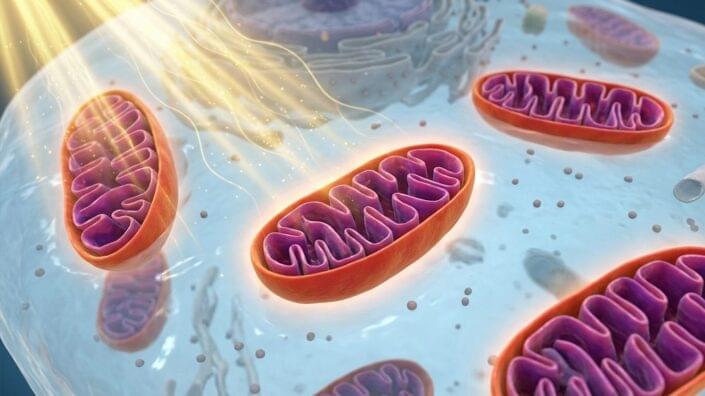
Researchers publishing in Aging Cell have found that a cocktail of molecules released by human umbilical cord mesenchymal stem cells (hUC-MSCs) can mitigate sun-induced skin aging (photoaging) in mice by restoring their cells’ ability to get rid of their own damaged mitochondria (mitophagy).
Wrinkles are only a small part of the problem
Chronic exposure to ultraviolet light is the main driver of photoaging, which is characterized by the accumulation of senescent cells in the skin along with the depletion of DNA-protecting lamins [1]. It causes skin to become thickened, wrinkled, and rough while accumulating visible veins [2]. This damage is more than cosmetic; photoaging can lead to precancerous lesions along with cancer itself [3]. Retinoids and other antioxidants have been found to have some effects but cannot completely reverse this damage [4], and laser-based treatments may be expensive and painful while causing other symptoms [5].