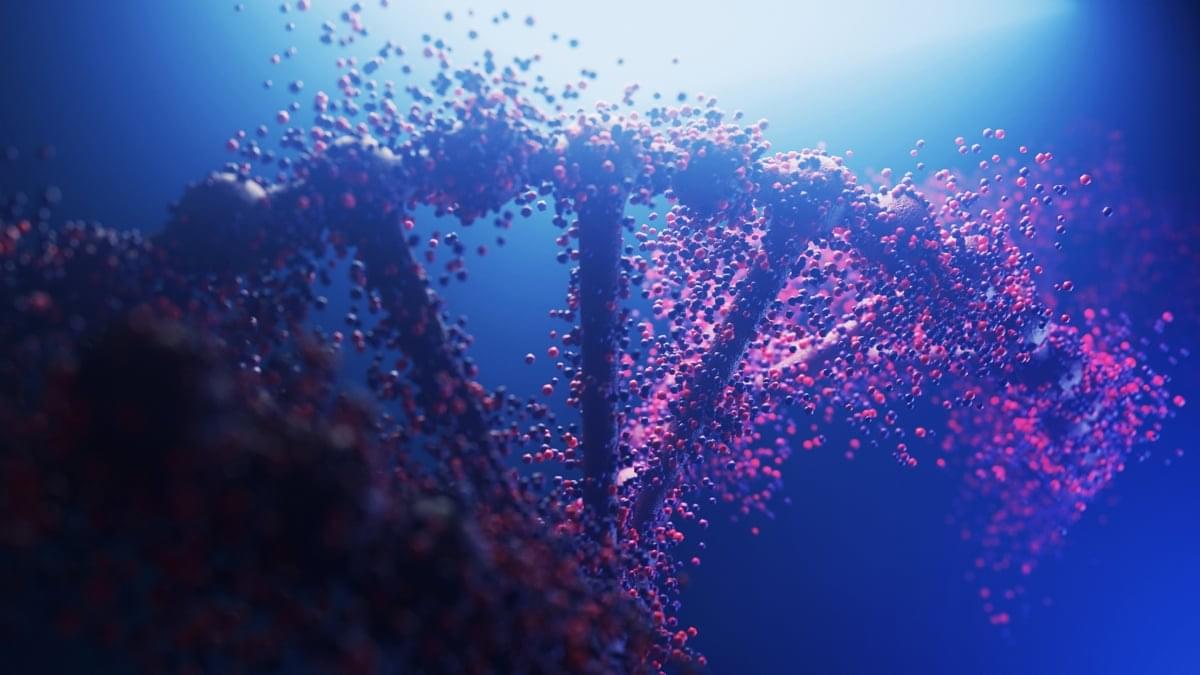
One of the most iconic visual representations in biological science is the double helix – the twisting, twin-stranded ladder that defines the shape of DNA molecules.
But not all DNA follows this same recognizable pattern. Alternative kinds of DNA structures do exist, and new technologies are helping to reveal them.
In a study last year, scientists identified where these “non-canonical” forms of DNA (aka non–B DNA) emerge in human and other primate genomes.