University of Oregon biologists have resurrected prehistoric proteins up to 160 million years old that carry natural antimicrobial properties. The revived molecules could inspire the design of new treatments for antibiotic-resistant infections, a pressing global health issue.
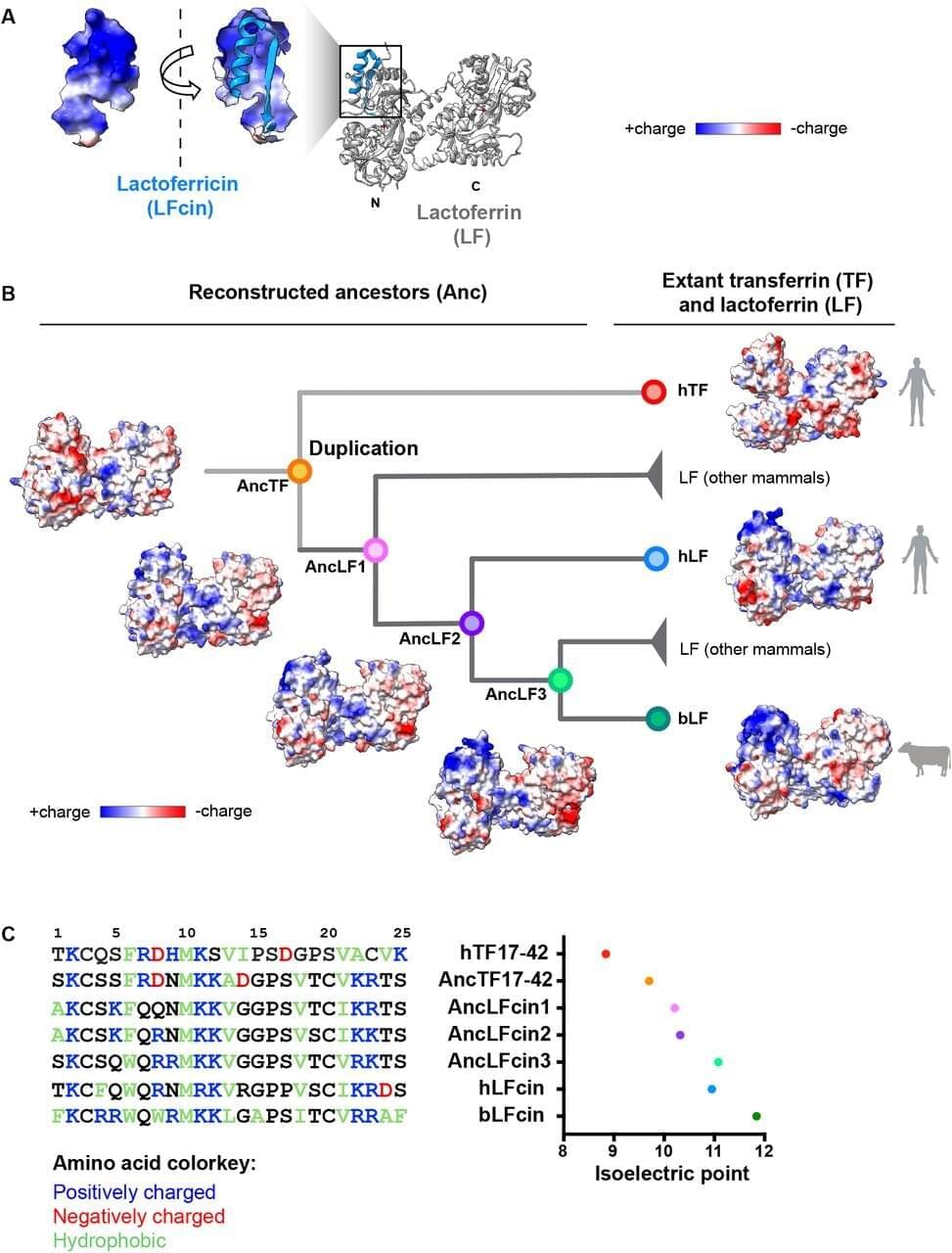
Described in a paper published in PLOS Biology on Aug. 25, the scientists worked their way up the tree of life, reconstructing peptides—short protein fragments—dating back to the earliest placental mammals, the diverse lineage that includes humans and nearly all mammals alive today. In laboratory tests, the researchers found that some of the extinct peptides were more potent against drug-resistant bacteria than some of their present-day counterparts.
Evolution’s ancient remedies could offer new starting points for scientists designing treatments that supplement or replace antibiotics that no longer work, said Matt Barber, senior author of the paper and evolutionary biologist at the UO College of Arts and Sciences.