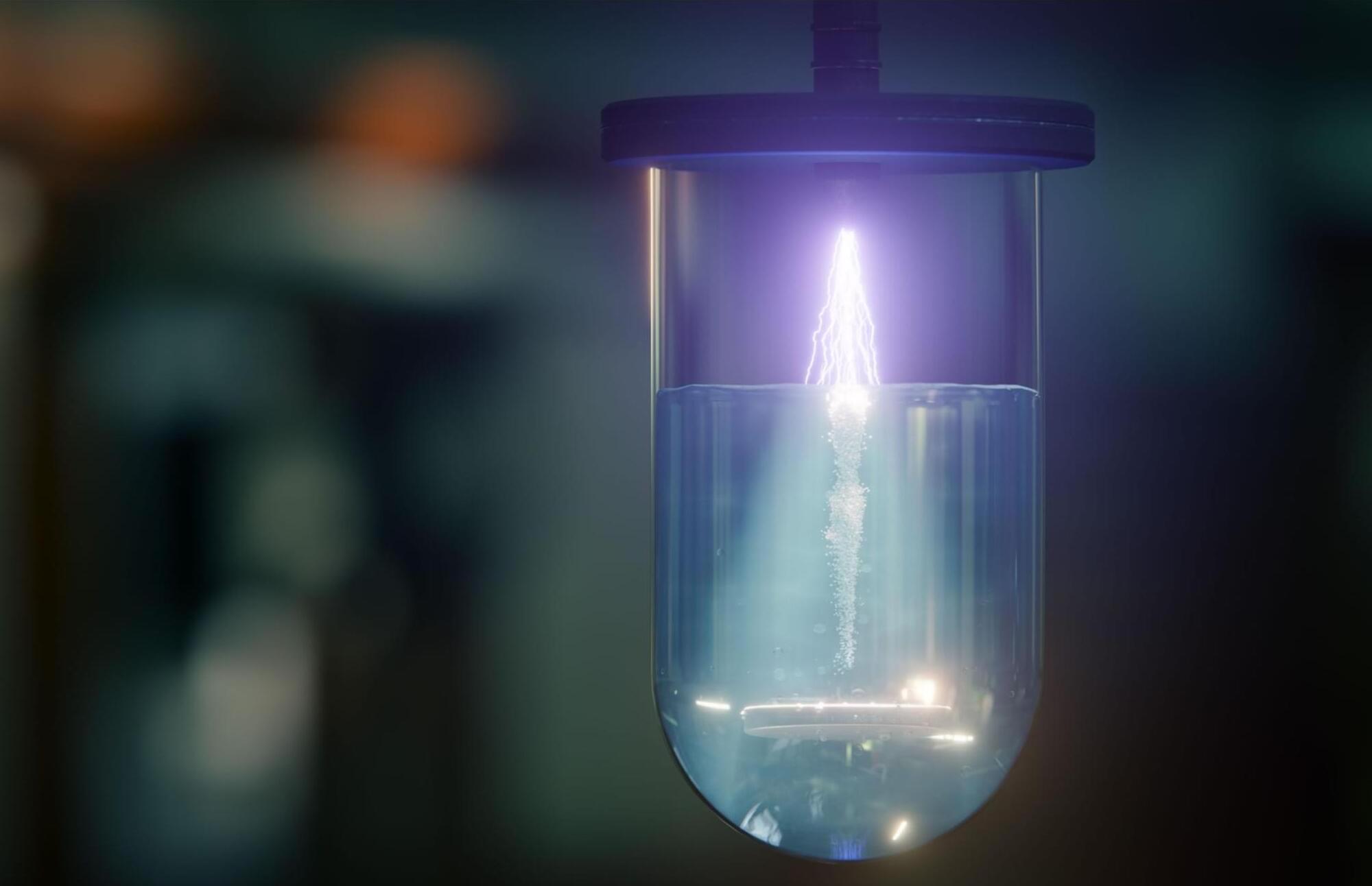
An HZDR research team has developed methods for breaking down “forever chemicals.”
The carbon-fluorine bonds inside PFAS are among the strongest in chemistry, allowing these industrial pollutants to persist in water for years. Researchers at the Helmholtz-Zentrum Dresden-Rossendorf (HZDR) are testing two ways to break those bonds: hydrodynamic cavitation and cold atmospheric plasma combined with gas dispersion.
Analyses by experts at the Helmholtz Centre for Environmental Research (UFZ) confirmed that both processes degraded per-and polyfluoroalkyl substances (PFAS) and released fluoride. If developed into practical industrial systems, the methods could help limit the amount of these highly persistent chemicals entering rivers, lakes and oceans.