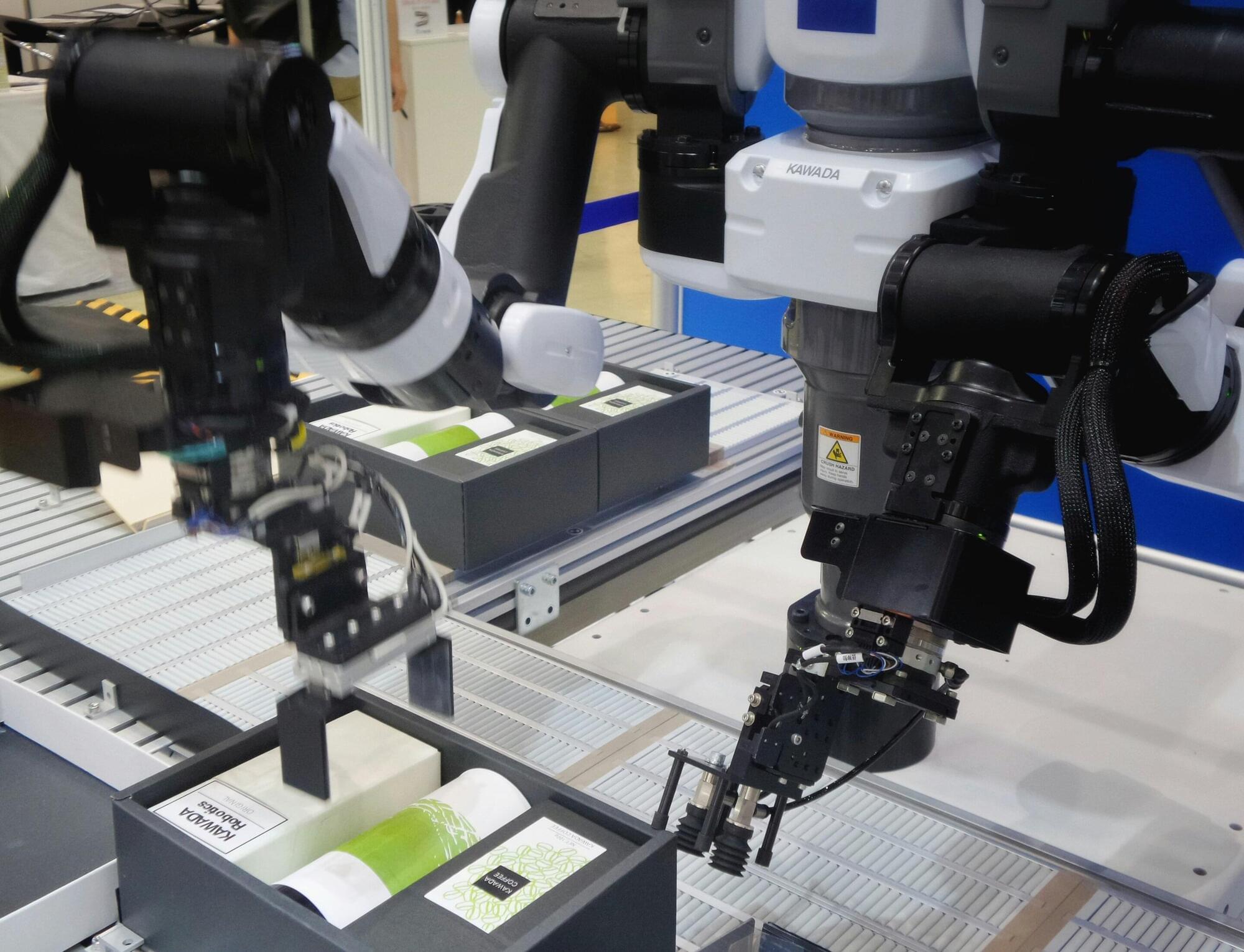
Over the past two decades, a powerful but highly specialized branch of control engineering—known as negative imaginary (NI) systems theory—has quietly evolved into a key tool for stabilizing complex, vibration-prone systems, from flexible structures to advanced robotics.
Now, a new study reveals how fast and in what direction this field is growing. By analyzing more than 400 scientific publications from 2004 to 2024 across the world’s leading academic databases, the researchers uncovered a clear trend: NI systems are no longer just a theoretical concept. The work is published in the International Journal of Systems Science.
The field is expanding rapidly, with increasing global participation and a strong shift toward real-world applications such as multi-robot coordination, aerospace systems and nanotechnology.