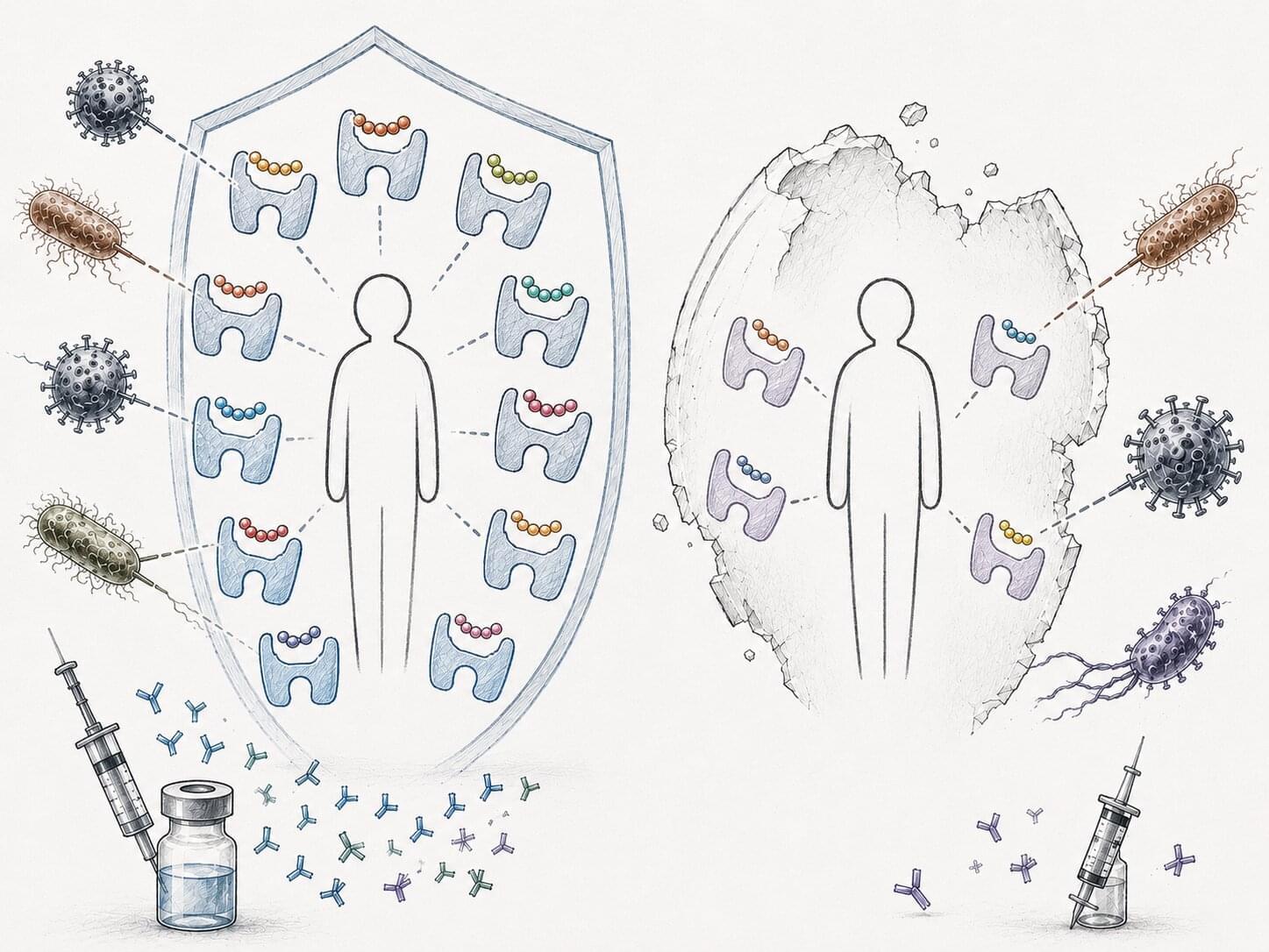
Why does the same infection cause only mild symptoms in one person but more serious disease in another? A new study led by the HUN-REN BRC Szeged Momentum Systems Immunology Research Group, together with several international collaborators, suggests that part of the answer lies in how broadly the immune system can present fragments of pathogens to its own immune cells.
Defense against infections does not begin with the immune system attacking the pathogen. The immune system first has to recognize what it is facing. At the center of this recognition process are HLA class II molecules. These molecules present small protein fragments, called peptides, to immune cells. This step is essential for activating helper T cells, which in turn support B cells in producing targeted antibodies.
However, not all HLA-II molecules present the same range of peptides. These molecules have exceptional genetic variability. Consequently, it is likely that two individuals carry different variants. Some variants can bind and present a broad diversity of pathogen-derived peptides, while others are more selective. This property is known as HLA-II peptide-binding promiscuity, or more simply, peptide-binding diversity.