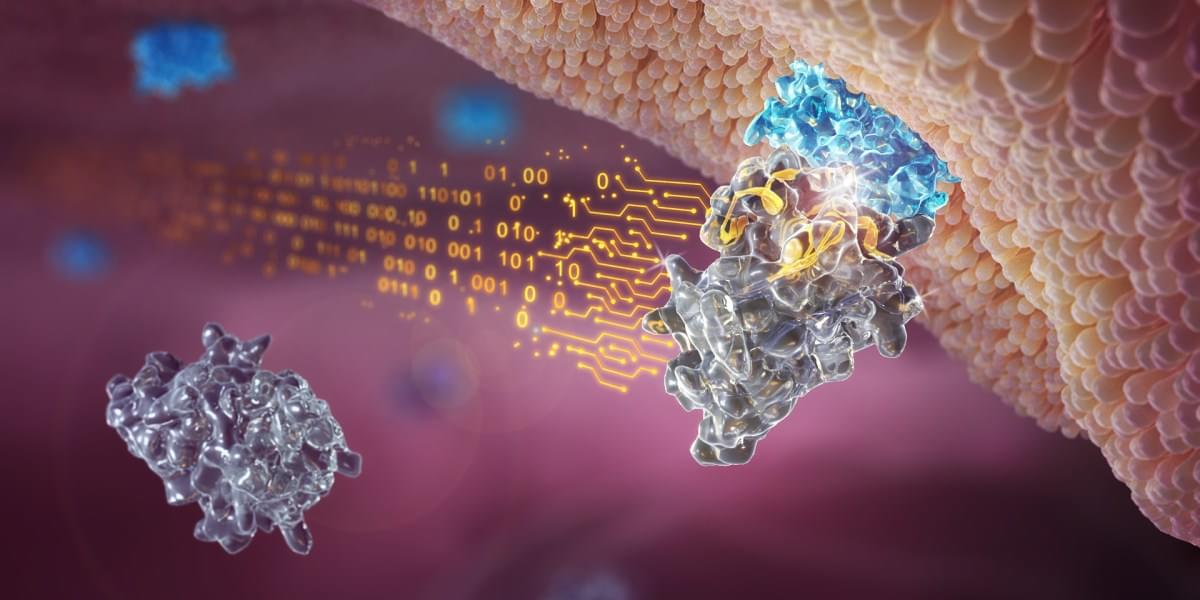
Ultimately, Sapra says, the end-state vision for AI in biologic drug discovery is what the field calls “de novo” design. For this, the goal is for AI to generate entirely new protein sequences that precisely fit the desired drug properties. This includes designing the structure, predicting safety, how it will behave in the body and how to make it manufacturable.
“The field is making great progress toward a completely AI-generated biologic, designed from scratch all the way to a clinical candidate,” Sapra says. “As we continue to leverage frontier models and fine-tune them with the right datasets, we bring ourselves closer to this reality. I believe it will come. It’s a matter of time.”
Several key elements are needed to reach this point, however. First is richer and more standardized training data across the industry. Second, robust evaluation benchmarks for AI-generated candidates. And third, teams that know how to work at the intersection of machine learning and biology. Of all the prerequisites, however, safety prediction may be the most consequential, and perhaps the least discussed, Sapra says.