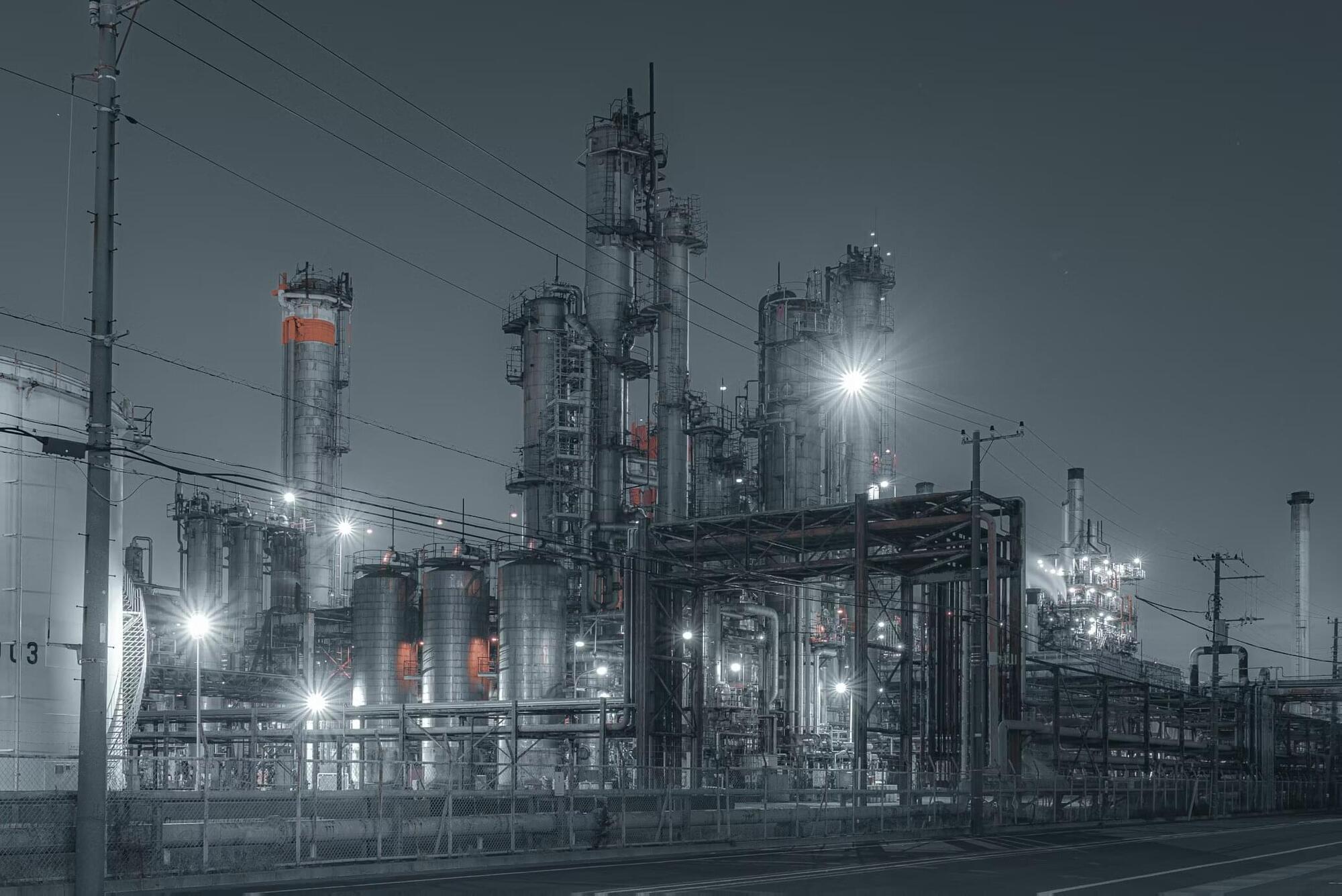
Ammonia is one of the most important chemicals produced in the world, ranking second only to sulfuric acid in the total volume produced each year. It is used mostly to make fertilizer, which is essential to feeding the world’s population. Yet its production accounts for up to 2% of the world’s energy consumption and about 1.5% of greenhouse gas emissions, so the search has been underway for ways to produce ammonia more sustainably.
The traditional way of making ammonia, in use for more than a century and accounting for the vast majority of production, is the Haber–Bosch process, which relies on fossil fuels to provide the needed heat. Hydrogen used in the process is also largely produced from fossil fuels.
There is another way, using electrochemistry instead of heat and pressure, but so far this method has not been anywhere near economically competitive at the scales needed.