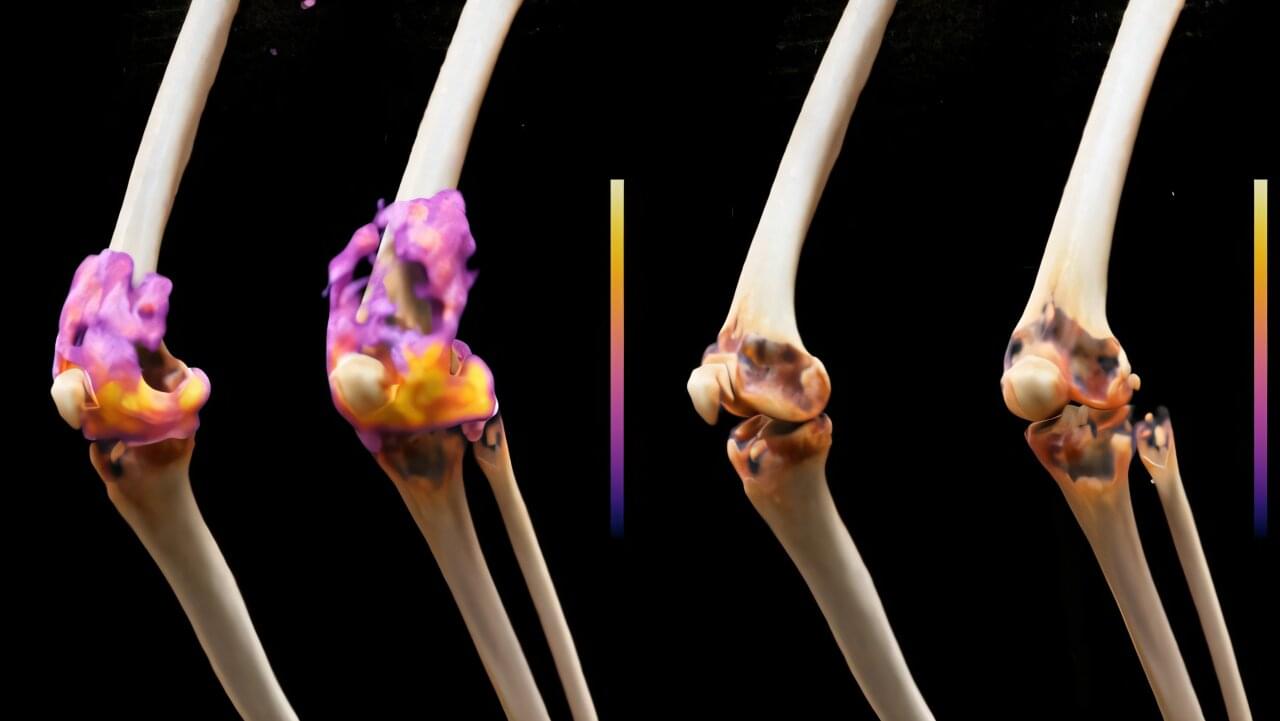
Immunotherapies such as CAR T-cell therapy are used primarily to treat cancer. In the future, these patient-specific therapies, manufactured from patients’ own immune cells, could also help cure autoimmune diseases. Six patients with particularly severe rheumatoid arthritis have now received this treatment at Charité—Universitätsmedizin Berlin. In the journal Nature Medicine, the researchers report the results from the world’s first clinical trial of its kind: Disease activity decreased substantially in all participants. By the end of the observation period, three of the patients no longer required any medication for rheumatoid arthritis.
Rheumatoid arthritis is a chronic disease in which the immune system mistakenly attacks the body’s own joints. This causes recurrent inflammation and joint swelling and, as the disease progresses, can lead to joint damage. Currently available treatments can usually keep the inflammation under control but do not cure the disease. Patients therefore require lifelong medication, including anti-inflammatory drugs and medications that suppress the immune system, with all the associated side effects.
In some patients, even several of the newer treatments fail to produce an adequate response. Doctors then call the disease treatment-refractory. For those affected, this means persistent pain, restricted mobility and a substantial impact on quality of life.