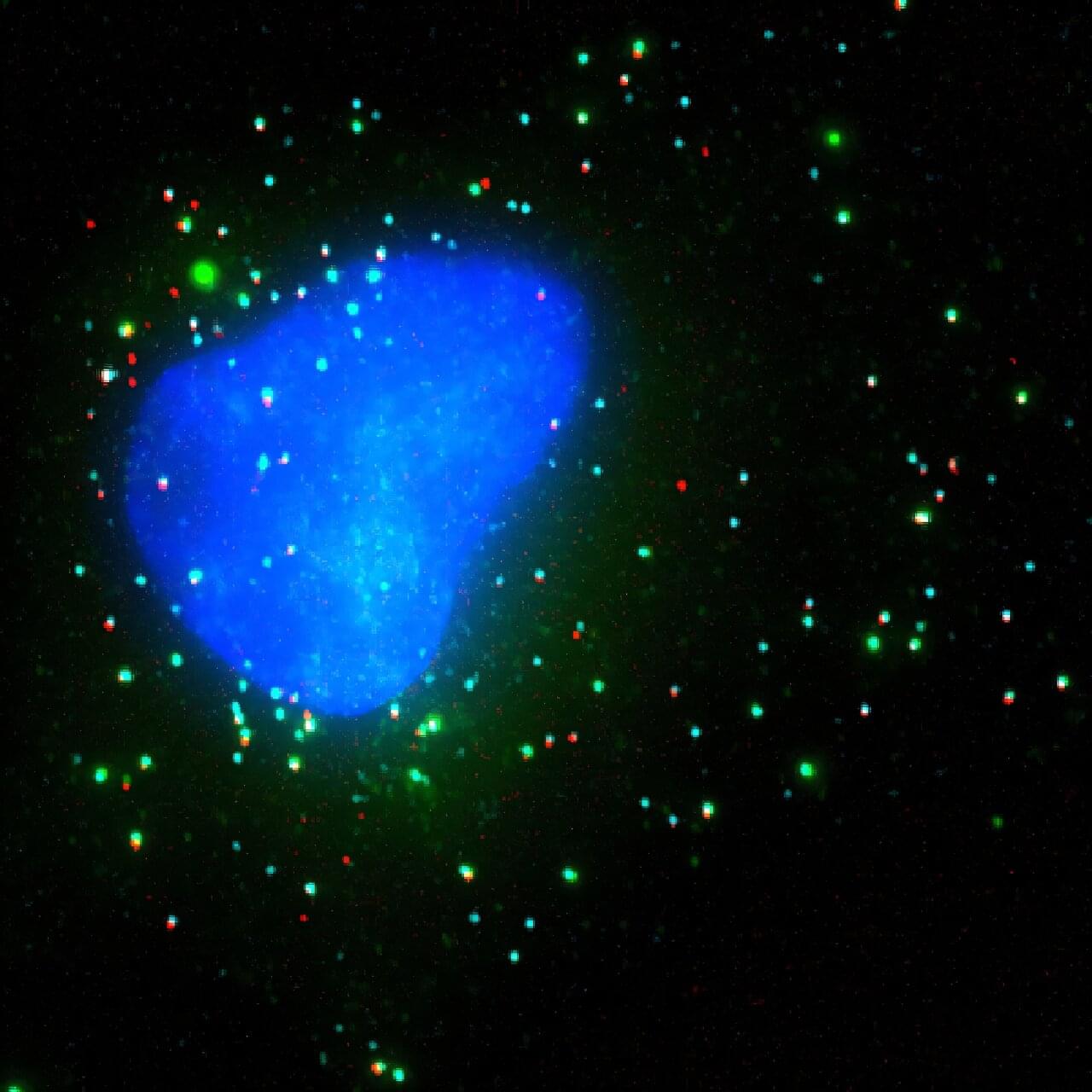
In a new study, scientists from Johns Hopkins Medicine report that an experimental mRNA-based platform has the potential to help deliver next-generation mRNA therapeutics, including vaccines to fight infectious diseases, cancer and autoimmune conditions, faster and more efficiently than the industry standard.
In experiments with cells from people and mice, researchers at Johns Hopkins Medicine and the National Institutes of Health (NIH) compared an experimental mRNA platform, N4-acetylcytidine (ac4C), with the industry-standard mRNA platform, N1-Methylpseudouridine (m1Ψ). The chemical modification used in COVID-19 mRNA vaccines is being widely studied for delivering potential cancer and autoimmune disease vaccines.
The study was published July 1 in Nature.