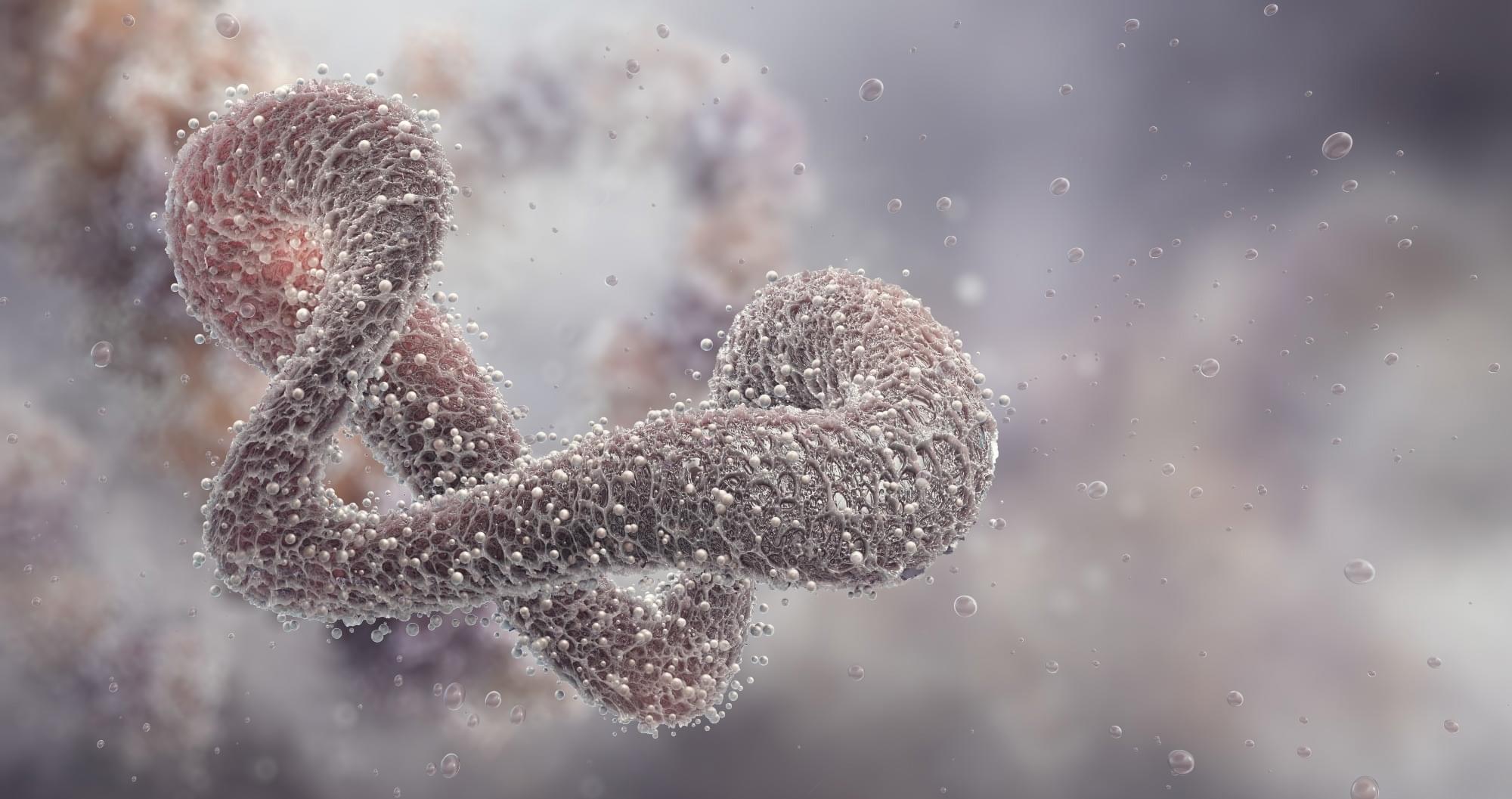
Researchers showed that AI-redesigned botulinum neurotoxin proteases provided more stable starting points for directed evolution, allowing enzymes to access beneficial mutations that were poorly tolerated in wild-type backgrounds. In BoNT/E models, the approach improved activity, evolvability, and specificity, including an ataxin-2-targeting variant with markedly reduced cleavage of the native SNAP25 substrate.