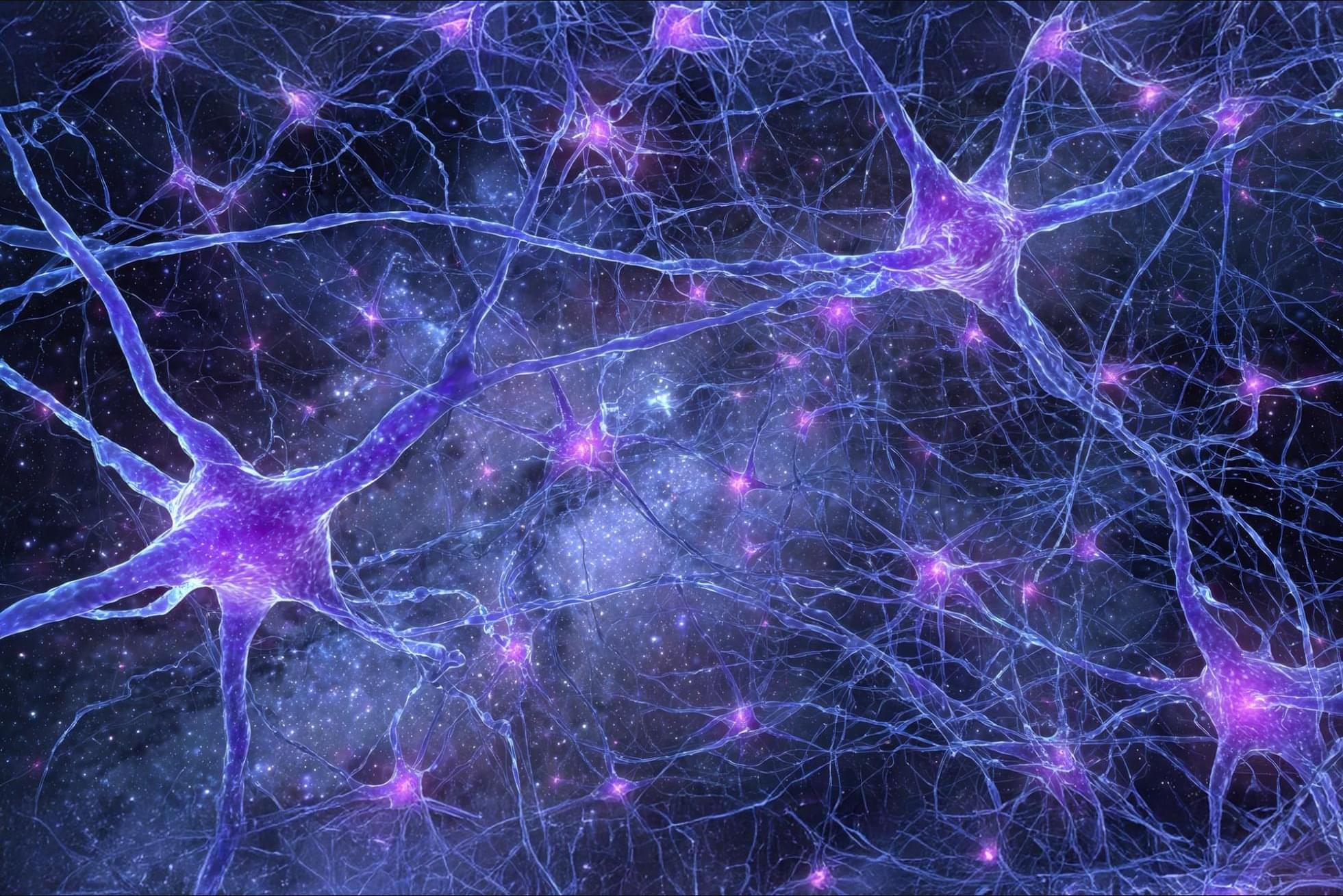
The new findings could help explain what made the human brain unique during evolution.
A mouse’s brain immune cells mature in about three weeks. Their human counterparts take four to eight years, an unusually slow timetable that may help explain how the human brain develops its distinctive cognitive abilities.
Microglia are the brain’s most abundant immune cells. They protect against invading threats, remove damaged neurons and help shape neural circuits as the brain develops. Scientists at Columbia’s Zuckerman Institute have now found for the first time that human microglia, like human neurons, mature far more slowly than those of other animals.