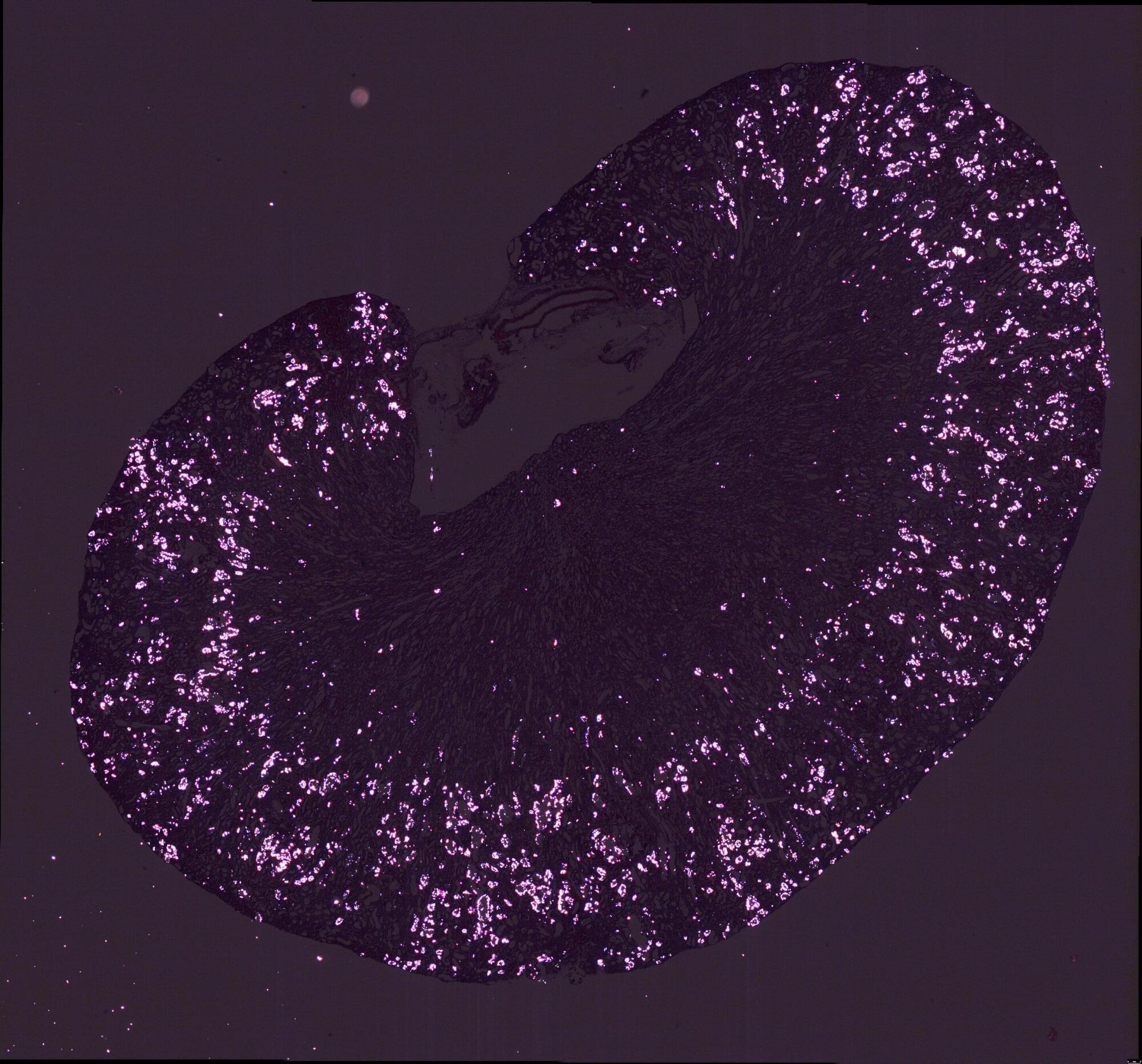
People with chronic kidney disease (CKD) have a significantly increased risk of death from cardiovascular disease. They also suffer from chronic inflammation, the causes of which are still only partly understood. Oxalic acid (oxalate) has so far been known primarily for its role in the formation of kidney stones. The molecule is a natural metabolic byproduct, is found in certain foods and is normally excreted by the kidneys in urine. However, when kidney function is impaired, oxalate accumulates in the body and can promote inflammatory processes.
The Experimental Biomedicine II department at Würzburg University Hospital (UKW), together with the Experimental and Clinical Research Center (ECRC), a joint institution of Charité—Universitätsmedizin Berlin and the Max Delbrück Center, investigated the immunological mechanisms linking oxalate-induced kidney damage with systemic inflammation and cardiovascular injury.
“In our research project, an oxalate-enriched diet activated the immune system systemically in mice. In other words, inflammatory processes spread throughout the body. This led not only to kidney damage, but also to pathological changes in the heart that reduced cardiac function,” says Dr. Hendrik Bartolomaeus. The scientist, who is part of Professor Alma Zernecke-Madsen’s team at UKW, shares senior authorship of the study with Dr. Nicola Wilck of ECRC. The study was published in Cardiovascular Research. Bartolomaeus previously worked in Wilck’s laboratory.