QUT researchers have overcome a challenge that has limited next-generation energy-harvesting materials for more than two decades, opening the door to more powerful wearable electronics and new ways of turning wasted heat into electricity. The breakthrough centers on carbon nanotubes, which are flexible, conductive microscopic rods that have long shown promise for wearable technologies but have been difficult to control.
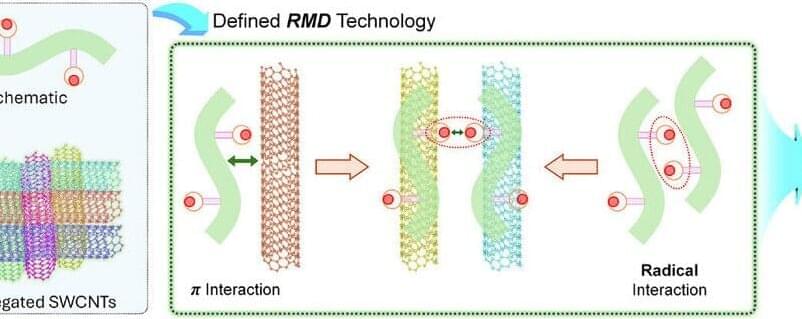
QUT researchers have developed a new molecular strategy that prevents the nanotubes from clumping together and losing performance, enabling a new benchmark for materials that convert heat directly into electricity.
Lead author and QUT PhD researcher Shanshan Zhou said the work established a new way of tackling one of the biggest challenges facing carbon nanotubes.