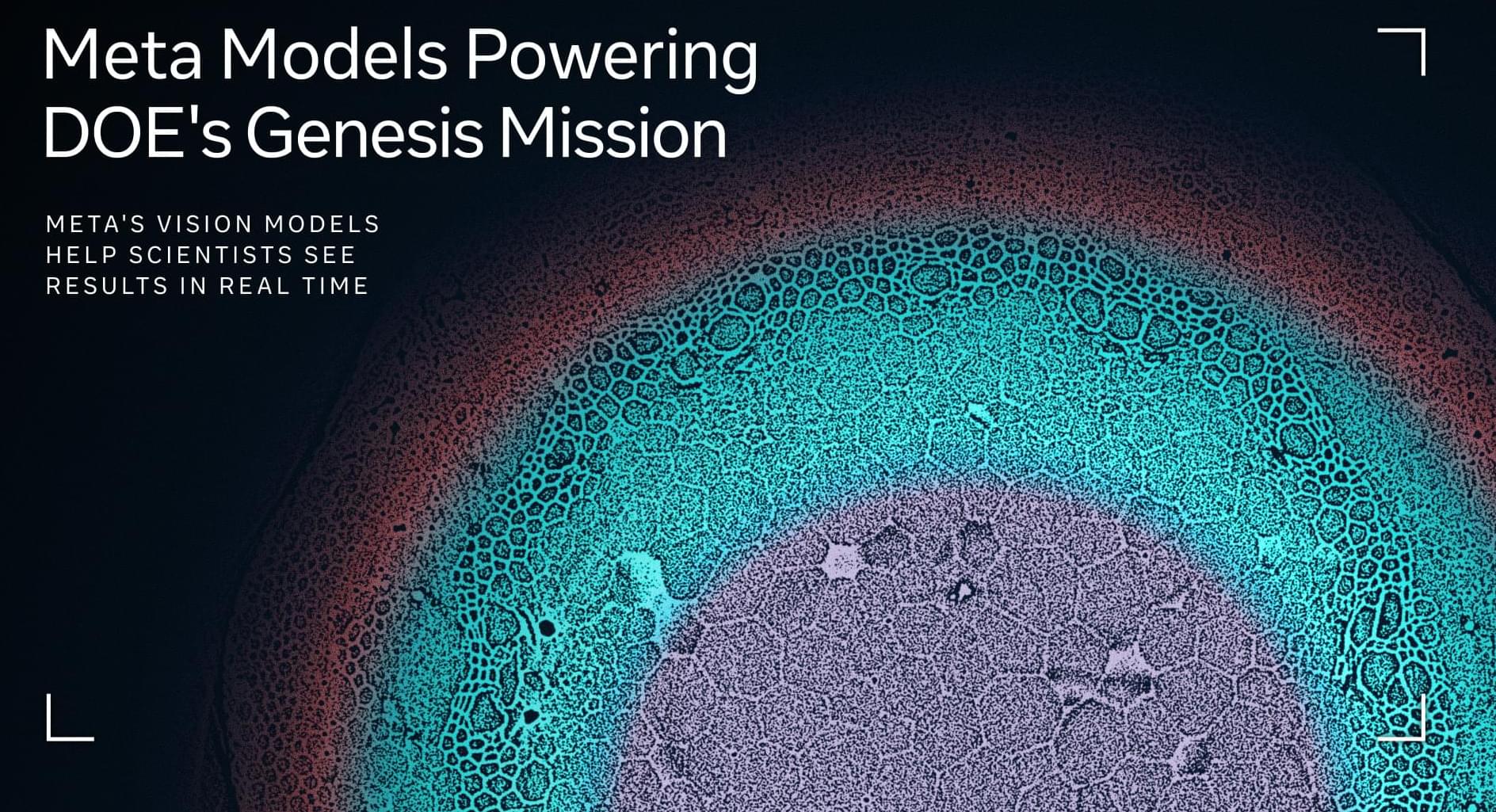
Lawrence Berkeley National Laboratory — one of the US Department of Energy’s premier research laboratories, known for Nobel Prize-winning work in physics, chemistry, and materials science — operates some of the most advanced scientific facilities on the planet. Among them is the Advanced Light Source (ALS), a football field-sized facility that produces intensely bright beams of X-ray light, allowing researchers to study materials from the atomic and molecular scale all the way to plants. The ALS’s instruments, known as beamlines, generate enormous quantities of data — and as recent facility upgrades have dramatically increased their resolution and speed, the volume of data has exploded beyond what scientists can keep up with.