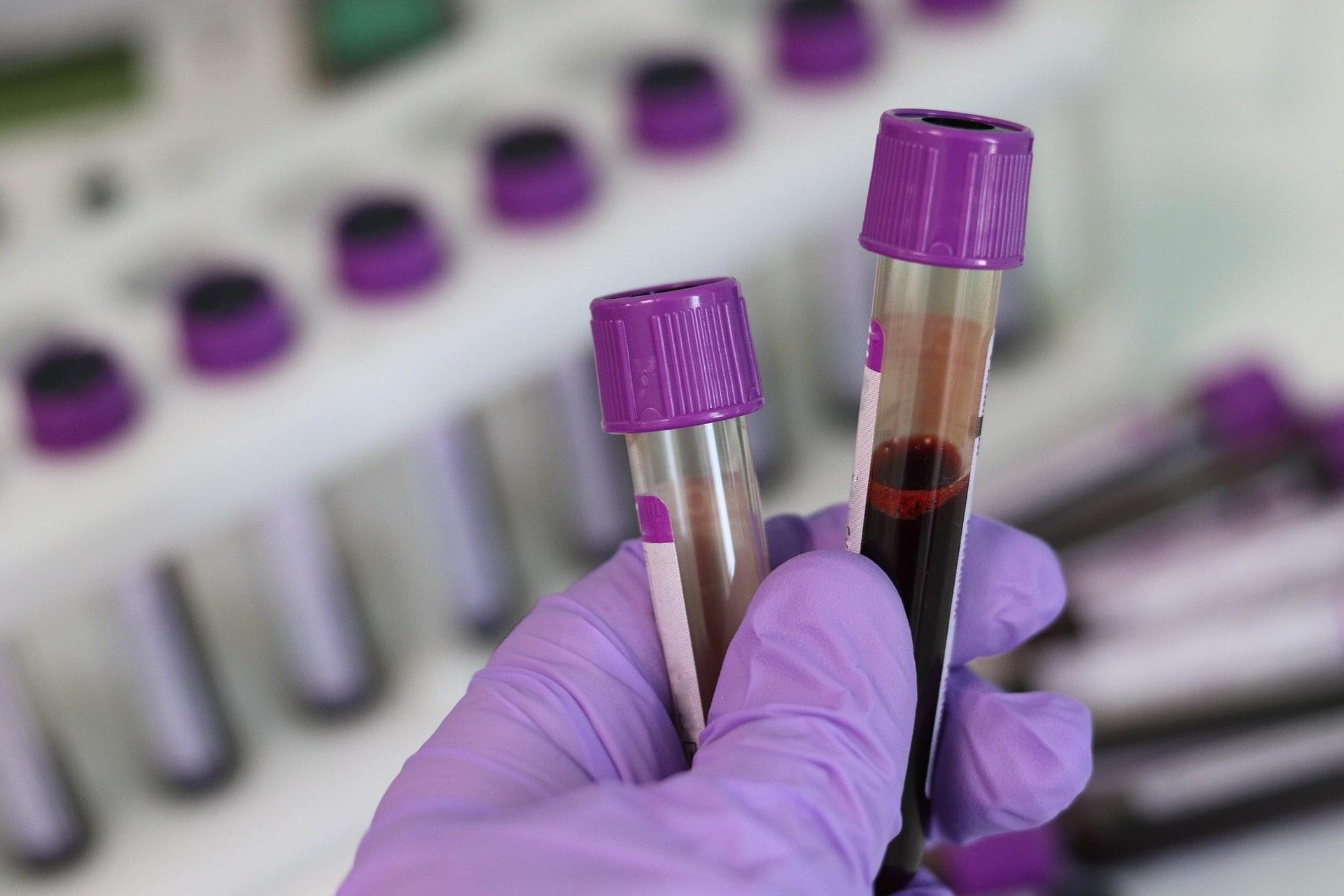
Take a blood sample from someone in the dead of winter. Take another in midsummer. Same person, same laboratory. And yet, at the level of gene activity, the molecular picture can look surprisingly different. This is not an anomaly. This, a new Nature Communications study argues, is simply how human biology works, and it has significant implications for the way biomarkers have traditionally been studied.
Researchers from Kiel University’s Excellence Cluster PMI, KU Leuven and the German Center for Neurodegenerative Diseases (DZNE) in Bonn tracked 333 volunteers in Flanders over six months, drawing blood three times and measuring the activity of roughly 14,000 genes on each occasion.
What they found suggests that an important source of biological variation has been underappreciated in many clinical studies: in 85% of all genes, the variation within a single person over time is larger than the variation between different people. In other words, for most genes, the largest differences are observed between two time points in the same individual rather than between different individuals.