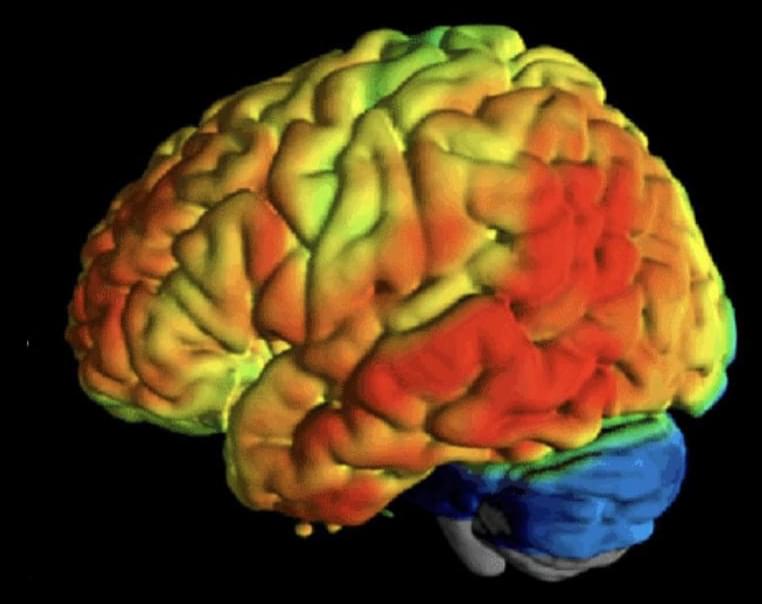
Could Your Brain Have Its Own “DMT Signature”? A New Research Proposal Aims to Find Out.
A new neuroscience research proposal is exploring a fascinating question: Do people naturally differ in their levels or activity of endogenous DMT, and could those differences be reflected in distinct brain “biotypes”?
Rather than administering DMT, the researchers propose analyzing an existing dataset of approximately 1,100 participants using multiple complementary measures, including:
PET imaging to examine serotonin receptor systems.
Structural and functional MRI to assess brain anatomy and connectivity.
Diffusion MRI to evaluate white matter microstructure.
Blood biomarkers.
Cognitive and psychological assessments.
The goal is to use machine learning to determine whether stable patterns emerge that could identify distinct “DMT brain biotypes.” If such biotypes exist, they might help explain why people naturally differ in perception, cognition, personality traits, and conscious experience.
Importantly, this proposal does not assume that endogenous DMT has psychedelic effects in everyday life. Instead, it investigates whether subtle differences in naturally occurring DMT-related biology—or the broader serotonin system—might contribute to normal variation in brain function.
The project also illustrates a growing trend in neuroscience: moving beyond broad diagnostic categories toward identifying biologically meaningful subtypes using multimodal brain imaging and computational analysis. Similar approaches are already being explored in disorders such as Alzheimer’s disease, depression, and schizophrenia.
A note of caution: This is currently a research proposal, not a completed study. It was submitted to ResearchHub as a funding proposal and was not funded, so there are no experimental results yet. The proposed “DMT biotypes” remain a hypothesis that would require empirical testing.
If this line of research eventually proves successful, it could provide new insights into the biology of consciousness, individual differences in cognition, and the role—if any—that endogenous DMT plays in the healthy human brain.
Study.