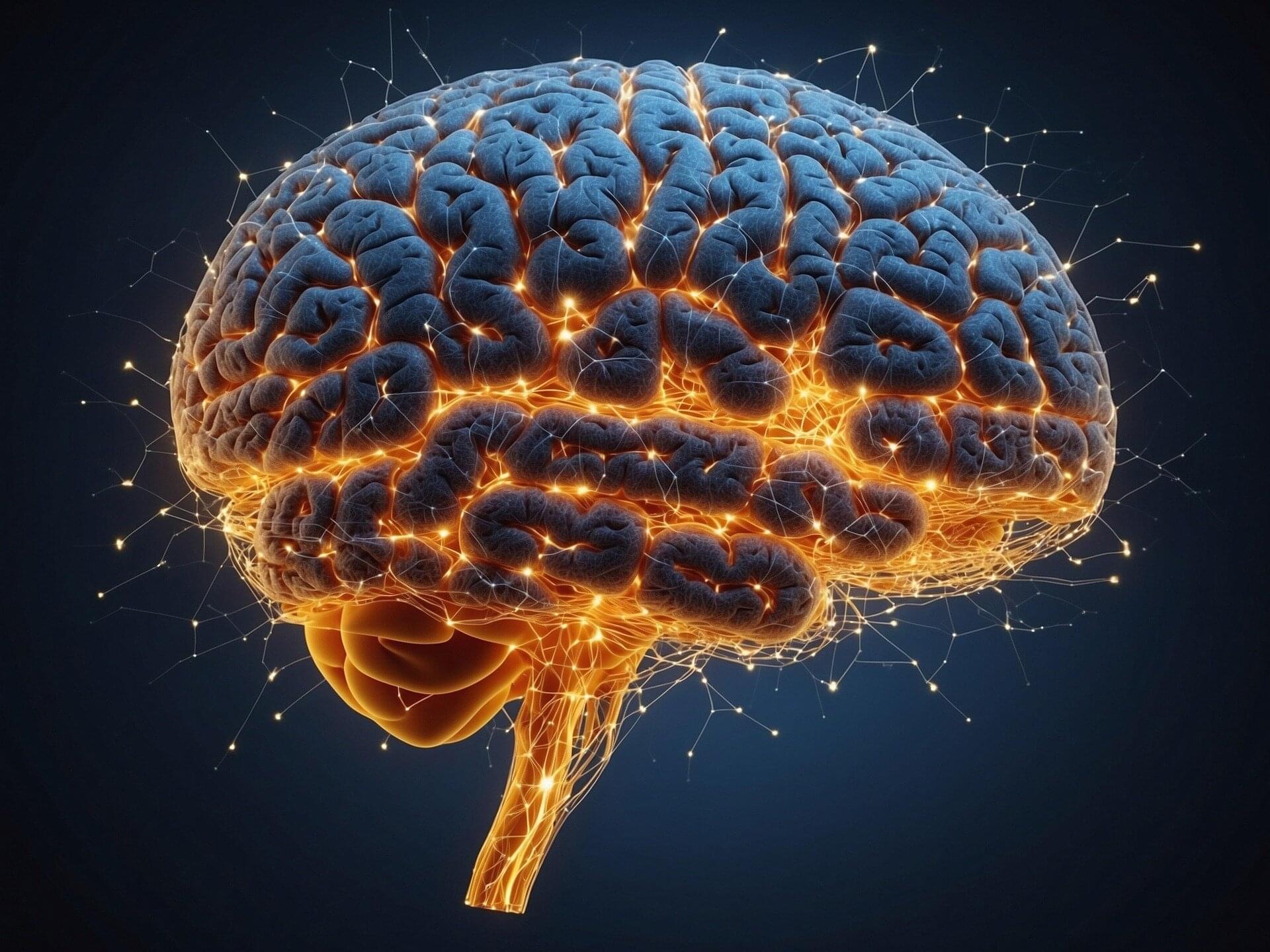
During the day, our brain acquires new memories; at night, during sleep, it consolidates the important ones and eliminates the useless ones. A similar principle has been applied to Hopfield networks, one of the classic models of artificial intelligence inspired by the workings of the brain. In 2025, Federico Ricci-Tersenghi and colleagues developed Daydreaming, an algorithm that combines the learning of new memories with the elimination of spurious ones, drastically improving the network’s capacity.
One limitation remained, however. These networks lose effectiveness when they work with real-world data, which are rarely perfectly balanced—for example, very bright or very dark images, in which white or black pixels overwhelmingly dominate. In a new study published in the Journal of Statistical Mechanics: Theory and Experiment (JSTAT), Ricci-Tersenghi and Japanese colleagues present a new version of the algorithm capable of effectively handling realistic, strongly biased data.
A “classical” neuralnetwork The networks proposed by John Hopfield in 1982—work that would earn him the Nobel Prize in 2024—consist of artificial neurons connected to one another and are among the simplest models of associative memory. “Whenever we see any tree, our brain recalls the concept of a tree. This ability to associate many different representations with the same concept is what we call associative memory,” explains Ricci-Tersenghi, professor of theoretical physics at Sapienza University of Rome and one of the authors of the new study.