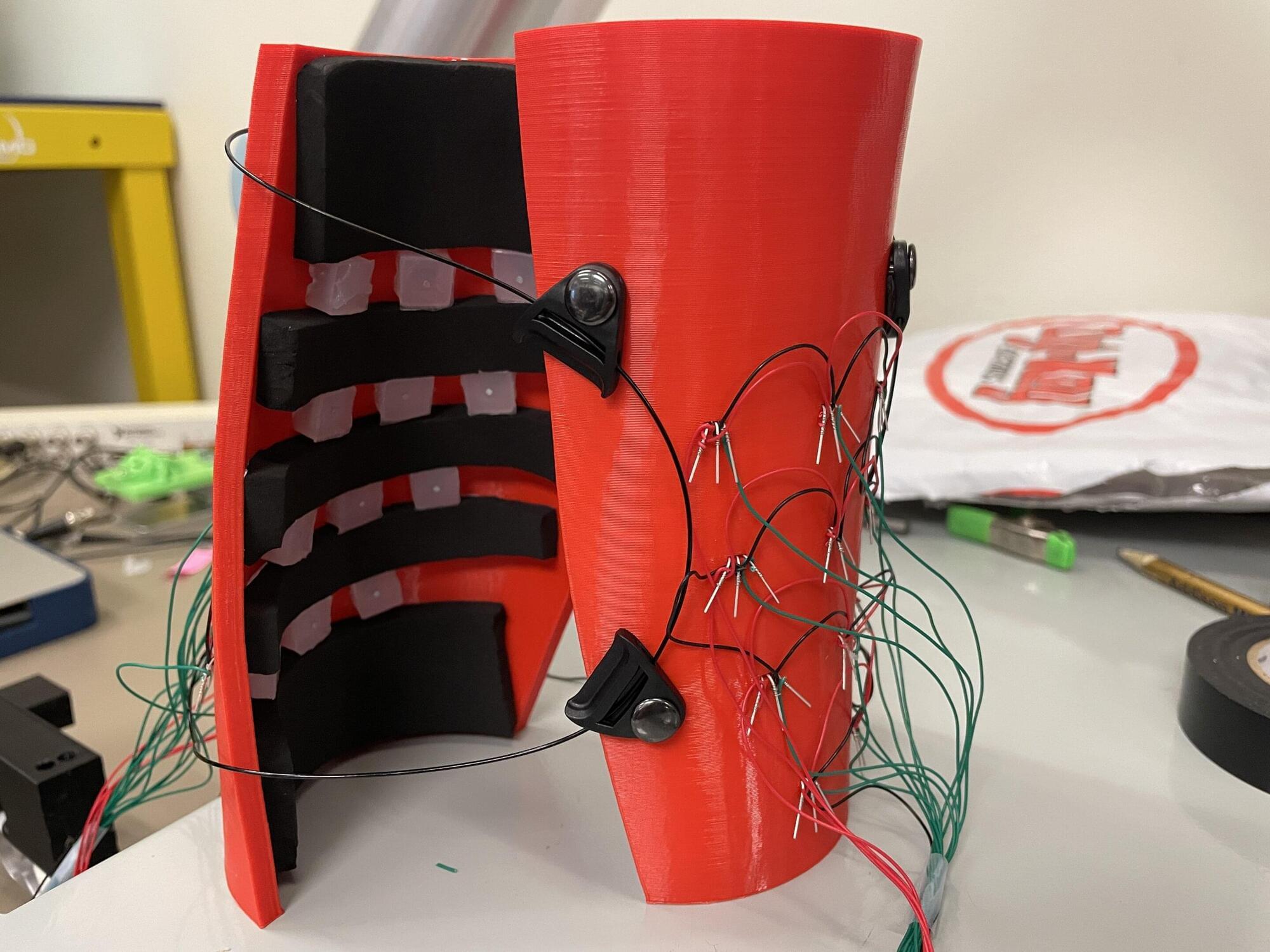
Most prosthetic hands today still struggle with a fundamental problem: No two amputees are the same, yet most devices are designed as if they are. That mismatch makes natural, intuitive control difficult, often turning what should feel like a seamless extension of the body into something that requires constant learning and adjustment.
Even with advanced technology, users are frequently left to interpret faint muscle signals that can shift with sweat, skin changes or everyday movement—creating a gap between intention and control that can be frustrating and, in some cases, lead people to abandon the device altogether.
Researchers have made progress by improving how muscle signals are interpreted, but the core challenge remains: The signals are often unstable and hard to translate into natural movement.