Riding a bike, reading a book or folding laundry while watching TV can feel effortless, almost like your brain does it on autopilot. This ease comes from repetition, built through practicing the same task again and again. The prefrontal cortex (PFC), responsible for flexible thinking and decision-making, plays a role in this process, but it also creates a bottleneck. Although highly flexible, it can generally handle only one decision at a time, making multitasking difficult.
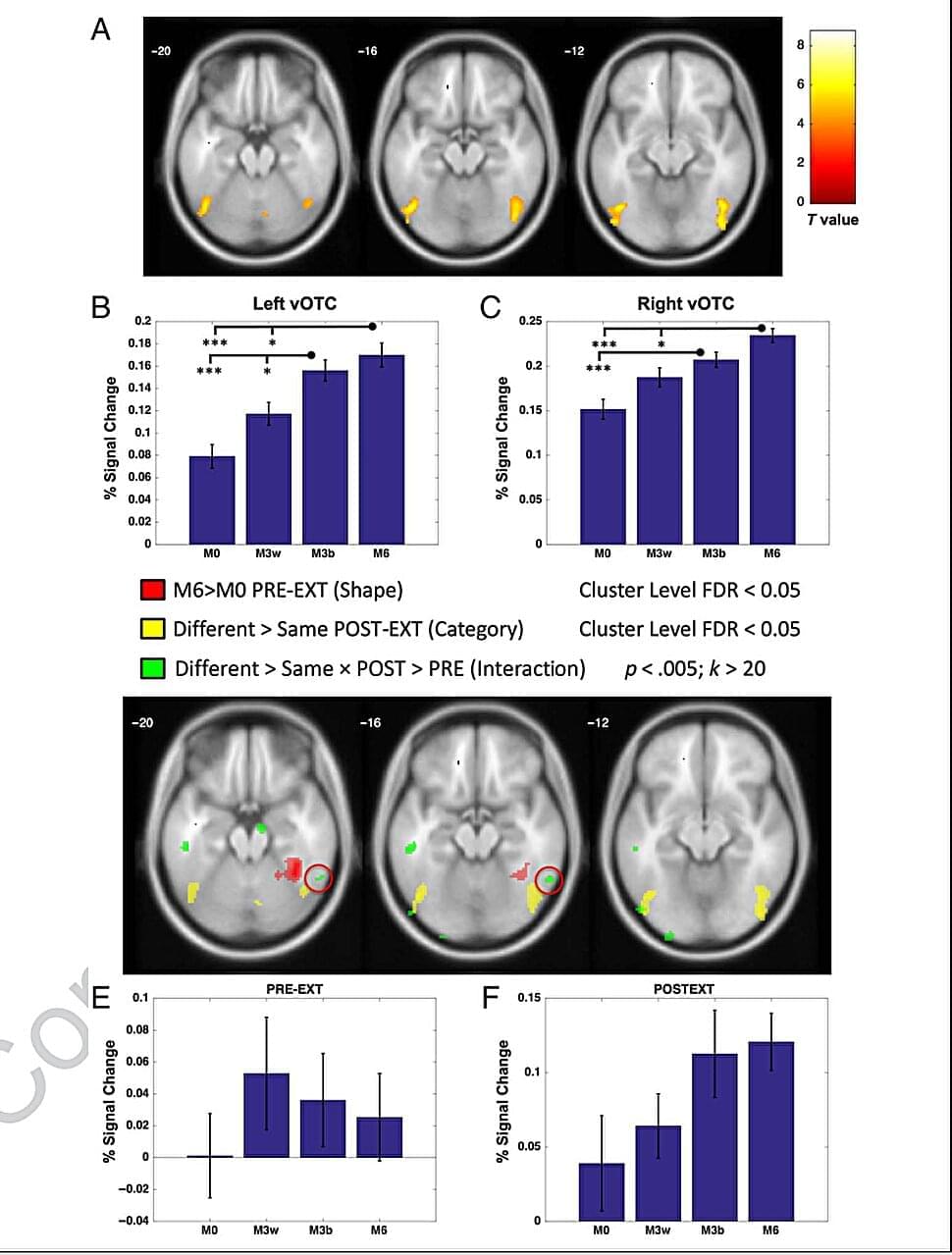
In a recent study, researchers wanted to understand how the brain changes when a person practices a specific task until it reaches cognitive automaticity. In this state, familiar actions can be performed quickly and efficiently with little conscious effort.
After sorting morphed car images more than 30,000 times, participants didn’t just get better at the task. Their brains rewired themselves, shifting the work from slow, deliberate thinking to fast, effortless autopilot.