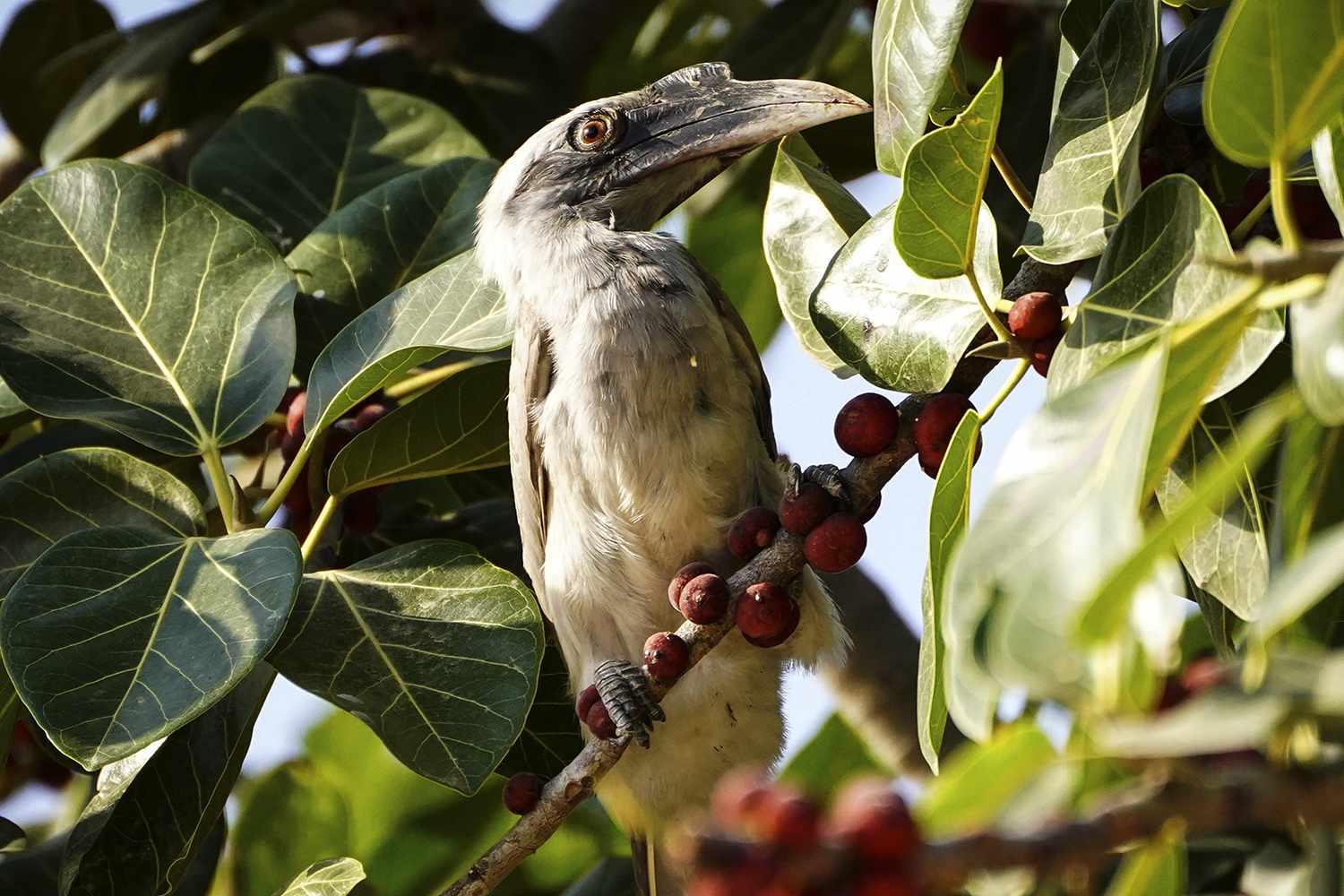
About 40 birds were released in phases between 2021 and 2023, and scientists now say the population is showing signs of becoming self-sustaining. The milestone represents far more than the return of a single species. Unlike many birds that adapt to fragmented landscapes, hornbills are exceptionally choosy about where they live.
They need mature forests with giant native trees, tree cavities large enough for nesting, fruiting trees that provide food across seasons and forests that have remained connected over large areas. Without these resources, the birds struggle, which is why scientists describe them as an indicator species, as their presence signals that a forest still has the structure and diversity to support a wide range of wildlife.
According to experts hornbills are also known as the “farmers of the forest.” Most species in the area feed on fruits, mainly figs and berries, and many of those seeds are too large for smaller birds to disperse. After feeding, hornbills can fly several miles before dropping or regurgitating the seeds far from the parent tree, giving new saplings a better chance to grow.