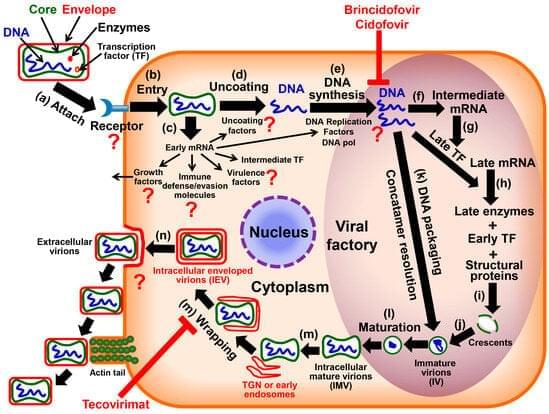
Epidemiologic studies have established that mpox (formerly known as monkeypox) outbreaks worldwide in 2022–2023, due to Clade IIb mpox virus (MPXV), disproportionately affected gay, bisexual, and other men who have sex with men. More than 35% and 40% of the mpox cases suffer from co-infection with HIV and sexually transmitted infections (STIs) (e.g., Chlamydia trachomatis, Neisseria gonorrhoeae, Treponema pallidum, and herpes simplex virus), respectively. Bacterial superinfection can also occur. Co-infection of MPXV and other infectious agents may enhance disease severity, deteriorate outcomes, elongate the recovery process, and potentially contribute to the morbidity and mortality of the ensuing diseases. However, the interplays between MPXV and HIV, bacteria, other STI pathogens and host cells are poorly studied.