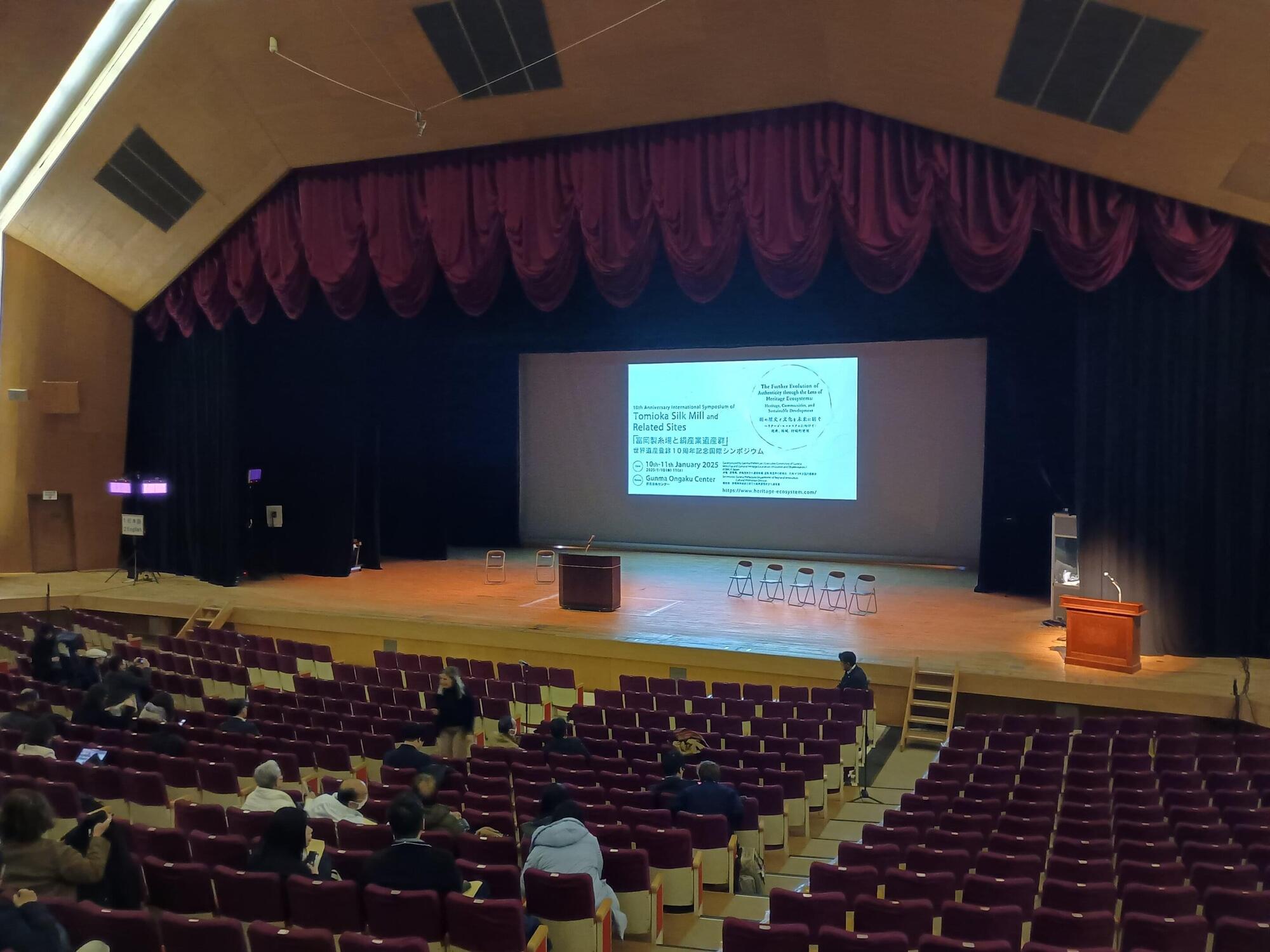
At an international heritage symposium in Japan, I heard a word that stayed with me: “contaminated.” The discussion concerned whether Indigenous peoples needed to be named explicitly in a new World Heritage framework. One argument was that Indigenous cultures had changed through contact, survival and adaptation, and therefore no longer required distinct recognition. I found that deeply troubling.
Survival is not contamination. Indigenous peoples have survived colonization, displacement, assimilation and state violence. They have also adapted, moved, rebuilt and carried knowledge into new circumstances. None of this erases their rights, identities or relationships with ancestral lands.
That experience became one of the reasons I wrote my recent commentary on the Gunma Declaration on Heritage Ecosystems, a new World Heritage framework developed after the 2025 ICOMOS Japan symposium in Gunma Prefecture. The work is published in the International Journal of Cultural Property.