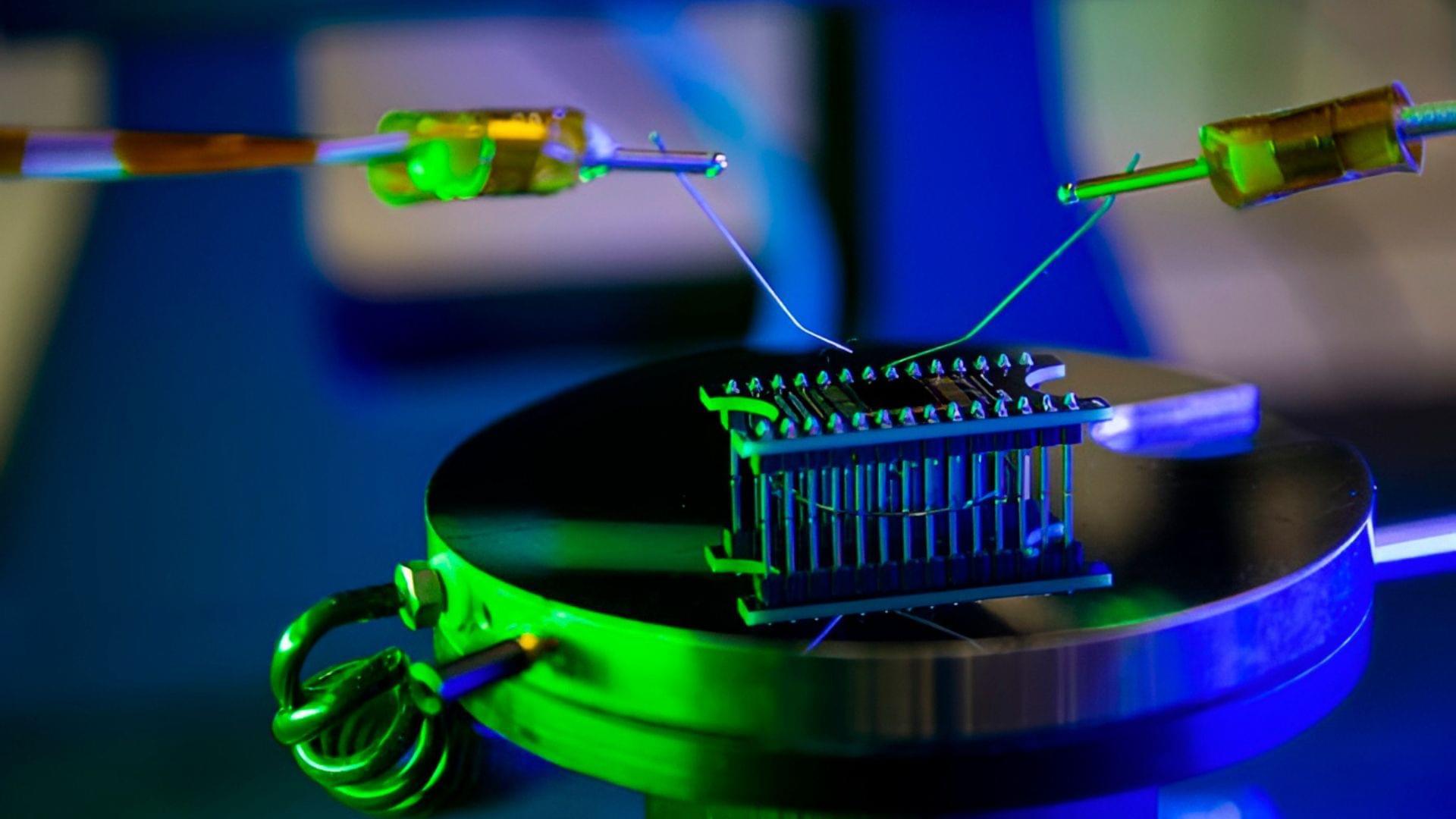
Team leader Professor Sumeet Walia said the goal was to remove the delay and energy cost of transferring data between separate systems. “We’ve made real-time decision making a possibility with our invention, because it doesn’t need to process large amounts of irrelevant data and it’s not being slowed down by data transfer to separate processors.”
The device also showed the ability to retain visual information for longer periods without frequent electrical refresh signals, which reduces energy use and improves efficiency.
First author and RMIT PhD researcher Aishani Mazumder said the system draws inspiration from how the brain processes information. “Neuromorphic vision systems are designed to use similar analog processing to the human brain, which can greatly reduce the amount of energy needed to perform complex visual tasks compared with today’s technologies.”