Human Cells Can Pass DNA to Each Other Through Tiny Tubes — Here’s How It May Fuel Cancer Growth
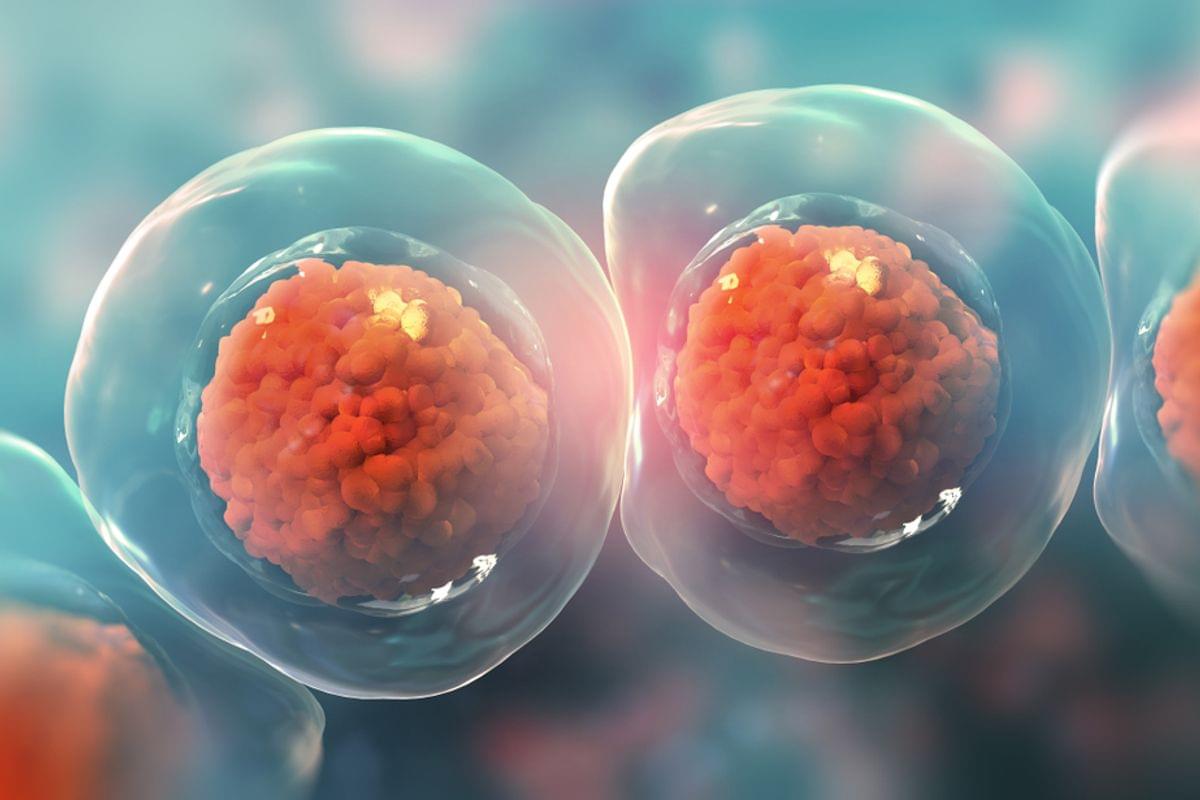
Learn how DNA can be exchanged between two cells that connect by forming nanotubes, and find out why this is crucial for cancer research.
8 Comments so far
Fascinating how these nanotube connections between cells could fundamentally change how we understand cancer progression. The idea that DNA can spread through direct cell-to-cell bridges rather than just through cell division or circulation is mind-blowing. Makes you wonder if targeting these nanotube structures could open up entirely new therapeutic approaches for stopping metastasis early.
Fascinating read on the intercellular nanotube mechanism. The idea that cells can transfer mitochondrial DNA this way raises so many questions about cellular identity and how mutations propagate across tissue boundaries. Do you think this could eventually be leveraged for therapeutic purposes, like targeting cancer cells specifically through these transfer channels?
The tunneling nanotube mechanism is fascinating — it’s wild how cells can essentially share genetic material directly rather than through conventional signaling. I’m curious whether this mechanism could potentially be targeted without disrupting normal intercellular communication pathways. Thanks for breaking down such complex research so accessibly.
I had no idea cells could form these nanotube connections — it almost sounds like a sci-fi plot, but the implications for cancer research are huge. The idea that DNA can be shuttled directly between cells without going through the bloodstream is a game-changer for understanding how tumors communicate and evolve. — a reader-friendly novel index
The part about cancer cells potentially acquiring drug resistance through these nanotube connections is striking — it reframes how I think about tumor evolution. If cells are actively sharing genetic material rather than just mutating independently, that could explain some of the rapid resistance patterns seen in treatment. It makes you wonder how much of cancer progression is driven by this kind of horizontal transfer versus vertical inheritance.
Finally, a hub that gets it — bookmarking dailydle so my morning coffee routine doesn’t require seven different tabs. The category split is a nice touch; I can fail at geography before I even attempt the math ones. No fluff, just daily puzzles organized sensibly. Cheers to the maintainer for saving my browser’s tab bar from total collapse.
Finally, a hub that gets it — bookmarking dailydle so my morning coffee routine doesn’t require seven different tabs. The category split is a nice touch; I can fail at geography before I even attempt the math ones. No fluff, just daily puzzles organized sensibly. Cheers to the maintainer for saving my browser’s tab bar from total collapse.
The detail about DNA moving between cells through tiny tubes—and possibly fueling cancer growth—made me stop. It makes me wonder how many other non-obvious transfer routes get overlooked because the focus is usually on mutations. That same kind of blind spot shows up in everyday meal planning when recipes and shopping lists stay scattered, and small losses quietly add up.
Fascinating how these nanotube connections between cells could fundamentally change how we understand cancer progression. The idea that DNA can spread through direct cell-to-cell bridges rather than just through cell division or circulation is mind-blowing. Makes you wonder if targeting these nanotube structures could open up entirely new therapeutic approaches for stopping metastasis early.
Fascinating read on the intercellular nanotube mechanism. The idea that cells can transfer mitochondrial DNA this way raises so many questions about cellular identity and how mutations propagate across tissue boundaries. Do you think this could eventually be leveraged for therapeutic purposes, like targeting cancer cells specifically through these transfer channels?
The tunneling nanotube mechanism is fascinating — it’s wild how cells can essentially share genetic material directly rather than through conventional signaling. I’m curious whether this mechanism could potentially be targeted without disrupting normal intercellular communication pathways. Thanks for breaking down such complex research so accessibly.
I had no idea cells could form these nanotube connections — it almost sounds like a sci-fi plot, but the implications for cancer research are huge. The idea that DNA can be shuttled directly between cells without going through the bloodstream is a game-changer for understanding how tumors communicate and evolve. — a reader-friendly novel index
The part about cancer cells potentially acquiring drug resistance through these nanotube connections is striking — it reframes how I think about tumor evolution. If cells are actively sharing genetic material rather than just mutating independently, that could explain some of the rapid resistance patterns seen in treatment. It makes you wonder how much of cancer progression is driven by this kind of horizontal transfer versus vertical inheritance.
Finally, a hub that gets it — bookmarking dailydle so my morning coffee routine doesn’t require seven different tabs. The category split is a nice touch; I can fail at geography before I even attempt the math ones. No fluff, just daily puzzles organized sensibly. Cheers to the maintainer for saving my browser’s tab bar from total collapse.
Finally, a hub that gets it — bookmarking dailydle so my morning coffee routine doesn’t require seven different tabs. The category split is a nice touch; I can fail at geography before I even attempt the math ones. No fluff, just daily puzzles organized sensibly. Cheers to the maintainer for saving my browser’s tab bar from total collapse.
The detail about DNA moving between cells through tiny tubes—and possibly fueling cancer growth—made me stop. It makes me wonder how many other non-obvious transfer routes get overlooked because the focus is usually on mutations. That same kind of blind spot shows up in everyday meal planning when recipes and shopping lists stay scattered, and small losses quietly add up.