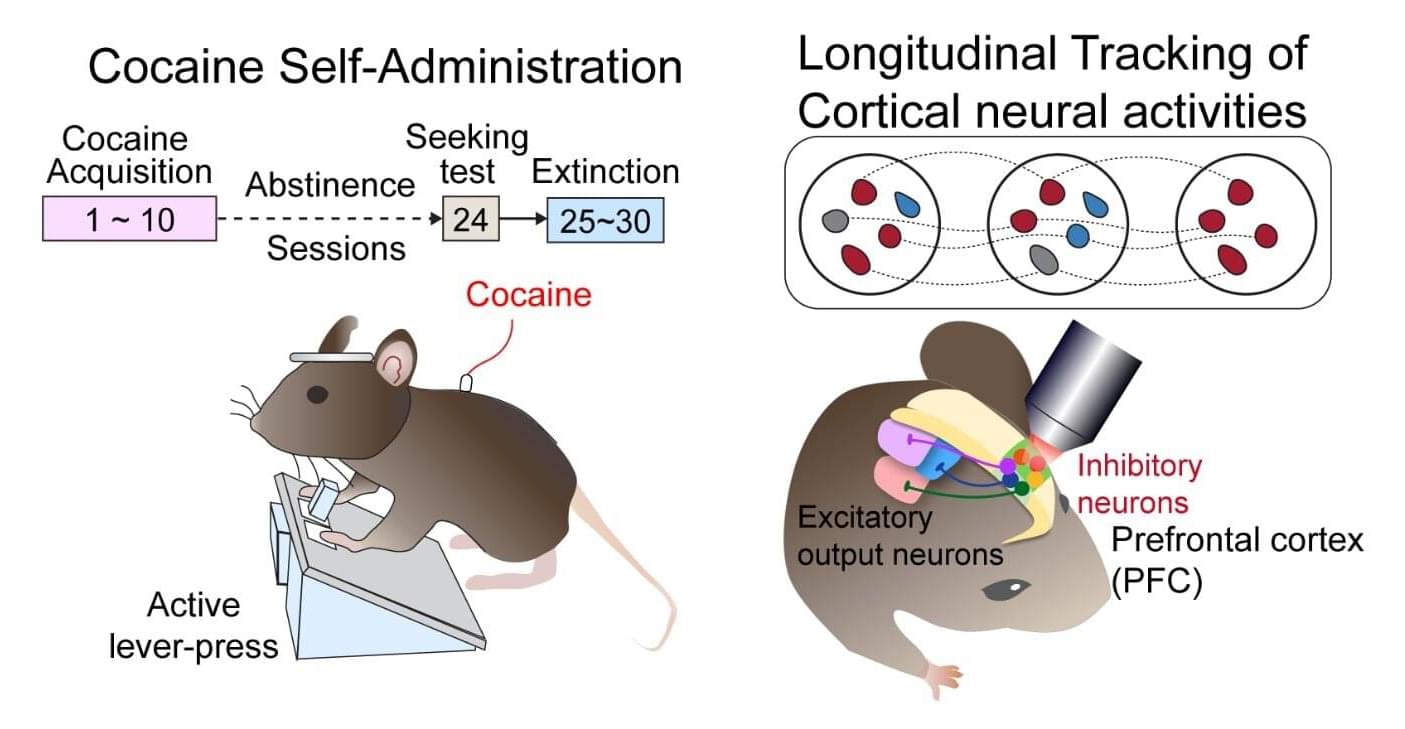
Drug addiction carries an extremely high risk of relapse, as cravings can be reignited by minor stimuli even long after one has stopped using. Previously, this phenomenon was attributed to a decline in the function of the prefrontal cortex (PFC), which regulates impulses. However, a joint international research team has recently revealed that the cause of addiction relapse is not a simple decline in brain function, but rather an imbalance in specific neural circuits.