Toggle light / dark theme

Get the latest international news and world events from around the world.

Log in for authorized contributors

New global standard set for testing graphene’s single-atom thickness

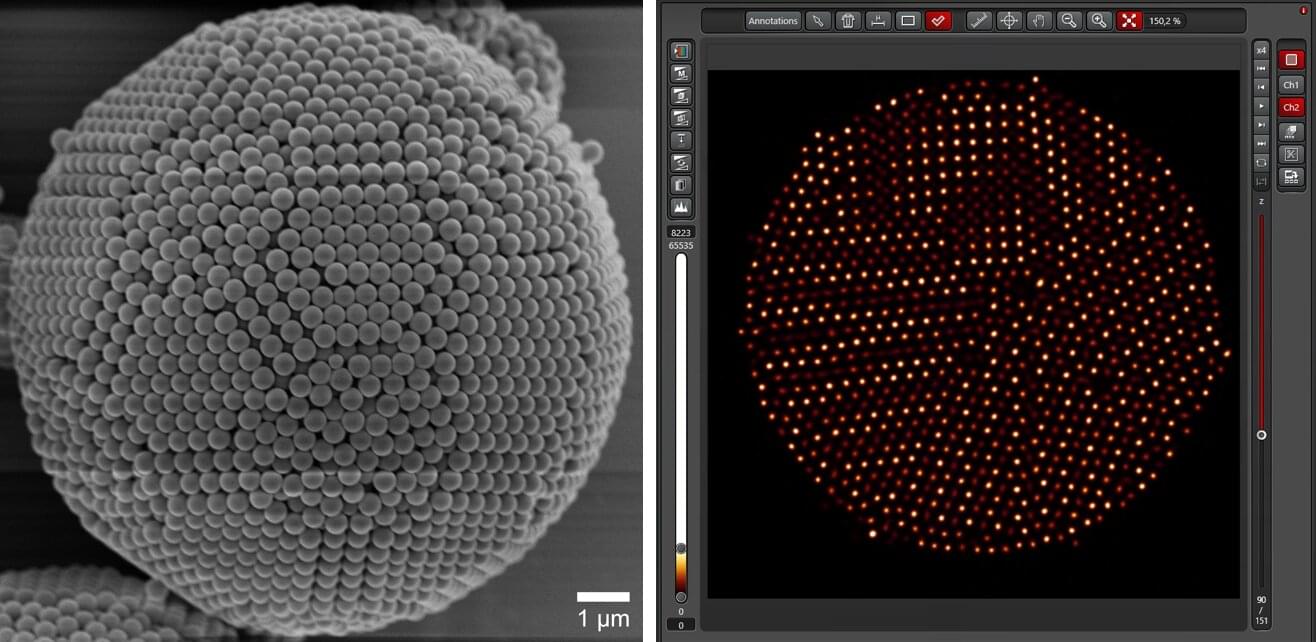
Graphene could transform everything from electric cars to smartphones, but only if we can guarantee its quality. The University of Manchester has led the world’s largest study to set a new global benchmark for testing graphene’s single-atom thickness. Working with the UK’s National Physical Laboratory (NPL) and 15 leading research institutes worldwide, the team has developed a reliable method using transmission electron microscopy (TEM) that will underpin future industrial standards.

Researchers at the University of Manchester, working with the UK’s National Physical Laboratory and 15 international partners, have developed a robust protocol using transmission electron microscopy (TEM). The results, published in 2D Materials, will underpin a new ISO technical specification for graphene.

“To incorporate graphene and other 2D materials into industrial applications, from light-weight vehicles to sports equipment, touch screens, sensors and electronics, you need to know you’re working with the right material. This study sets a global benchmark that industry can trust,” said Dr. William Thornley, who worked on the research during his Ph.D.

A dry surface thanks to fluid physics: Contact-free method gently remove liquids from delicate microstructures

Researchers at the University of Konstanz have developed a gentle, contact-free method to collect liquids and remove them from microscopic surface structures. The method uses vapor condensation to generate surface currents that transport droplets off surfaces.

Many modern technologies rely on microscopic elements, such as microchips in smartphones. The manufacturing process for these elements requires their surfaces to be exposed to different types of liquids that must be completely removed afterward.

A research team led by Stefan Karpitschka from the University of Konstanz has now developed a new method that uses surface tension to efficiently transport these liquids off the finished product. The work is published in the journal Proceedings of the National Academy of Sciences.

Taming heat: Novel solution enables unprecedented control of heat conduction

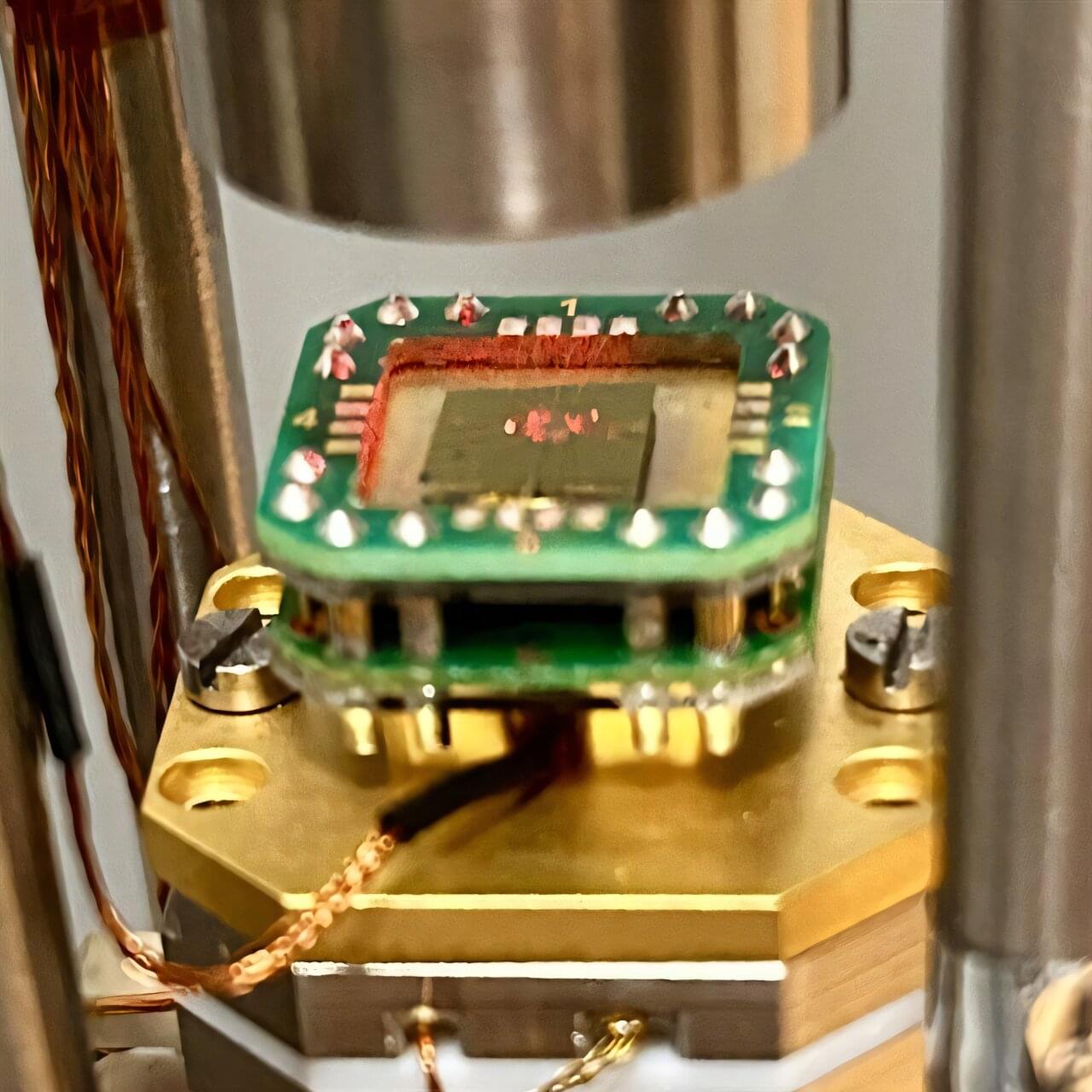
Prof. Gal Shmuel of the Faculty of Mechanical Engineering at the Technion—Israel Institute of Technology has developed an innovative approach that enables precise control of heat conduction in ways that do not occur naturally.

The breakthrough could lead to new applications in energy harvesting and in protecting heat-sensitive devices. The research, conducted in collaboration with Prof. John R. Willis of the University of Cambridge, was published in Physical Review Letters.

The researchers’ approach is based on designing materials with asymmetric and nonuniform microstructures, inspired by similar methods previously developed for controlling light and sound—but never applied before to heat conduction. The challenge in adapting these ideas stems from the fact that light and sound propagate as waves, while heat spreads through a spontaneous process known as diffusion.

Strange New Side of Viral Evolution Revealed on the International Space Station

Viruses that infect bacteria can still do their job in microgravity, but space changes the rules of the fight.

In a new experiment conducted aboard the International Space Station, scientists found that viruses which infect bacteria can still successfully infect E. coli under near-weightless microgravity conditions. While infection still occurred, the interaction between viruses and bacteria unfolded differently than it does on Earth. The research, led by Phil Huss of the University of Wisconsin-Madison, U.S.A., was published today (January 13th) in the open-access journal PLOS Biology.

A microscopic arms race in an unusual environment.

These Alien-Looking Fossils May Explain the Origins of Complex Life

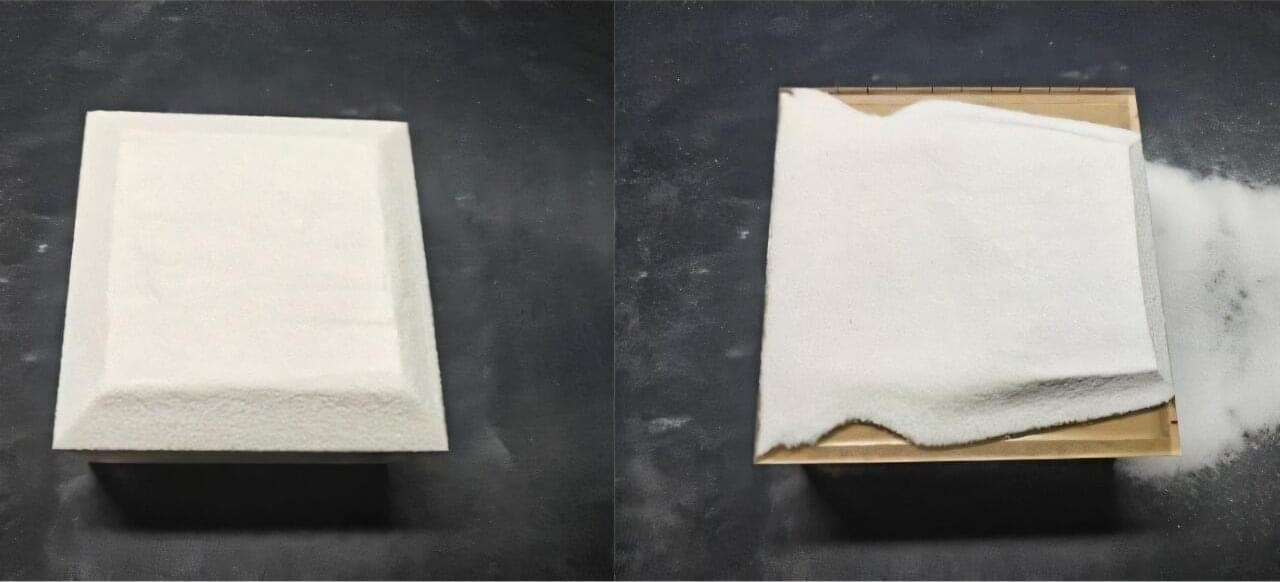
In the fossil record, creatures without hard shells or skeletons, such as jellyfish, are rarely preserved for long periods of time. Preservation is even less likely in sandstone, a rock made of coarse grains that is full of pores and typically forms in environments shaped by strong waves and frequent storms. Despite these challenges, fossils dating to about 570 million years ago tell a very different story. During the Ediacaran period, unusual soft-bodied organisms died on the seafloor, were quickly buried by sand, and were preserved with striking detail.

These remarkable fossils have since been discovered in rock formations across the globe. Researchers are working to understand how the Ediacara Biota could be preserved so clearly, especially as impressions in sandstone, a process rarely seen elsewhere in the fossil record. Solving this puzzle could help clarify a major missing chapter in the history of large, visible life on Earth.

“The Ediacara Biota look totally bizarre in their appearance. Some of them have triradial symmetry, some have spiraling arms, some have fractal patterning,” says Dr. Lidya Tarhan, a paleontologist at Yale University. “It’s really hard when you first look at them to figure out where to place them in the tree of life.”

Scientists Discover Method To Erase Toxic Tau From Human Neurons

Researchers at the University of New Mexico have uncovered an unexpected role for OTULIN, an enzyme best known for its involvement in immune system regulation. The team found that OTULIN also plays a key role in the production of tau, a protein linked to many neurodegenerative disorders, along with brain inflammation and the biological processes associated with aging.

The findings were reported in the journal Genomic Psychiatry. In the study, scientists showed that disabling OTULIN stopped tau from being produced and cleared existing tau from neurons. This was achieved in two ways: by using a specially designed small molecule or by removing the gene responsible for producing the enzyme. The experiments were carried out in two types of cells, including cells derived from a person who had died from late-onset sporadic Alzheimer’s disease and human neuroblastoma cells that are commonly used in laboratory research.

Negative Energy ‘Ghosts’ Flashing in Space Could Reveal New Physics

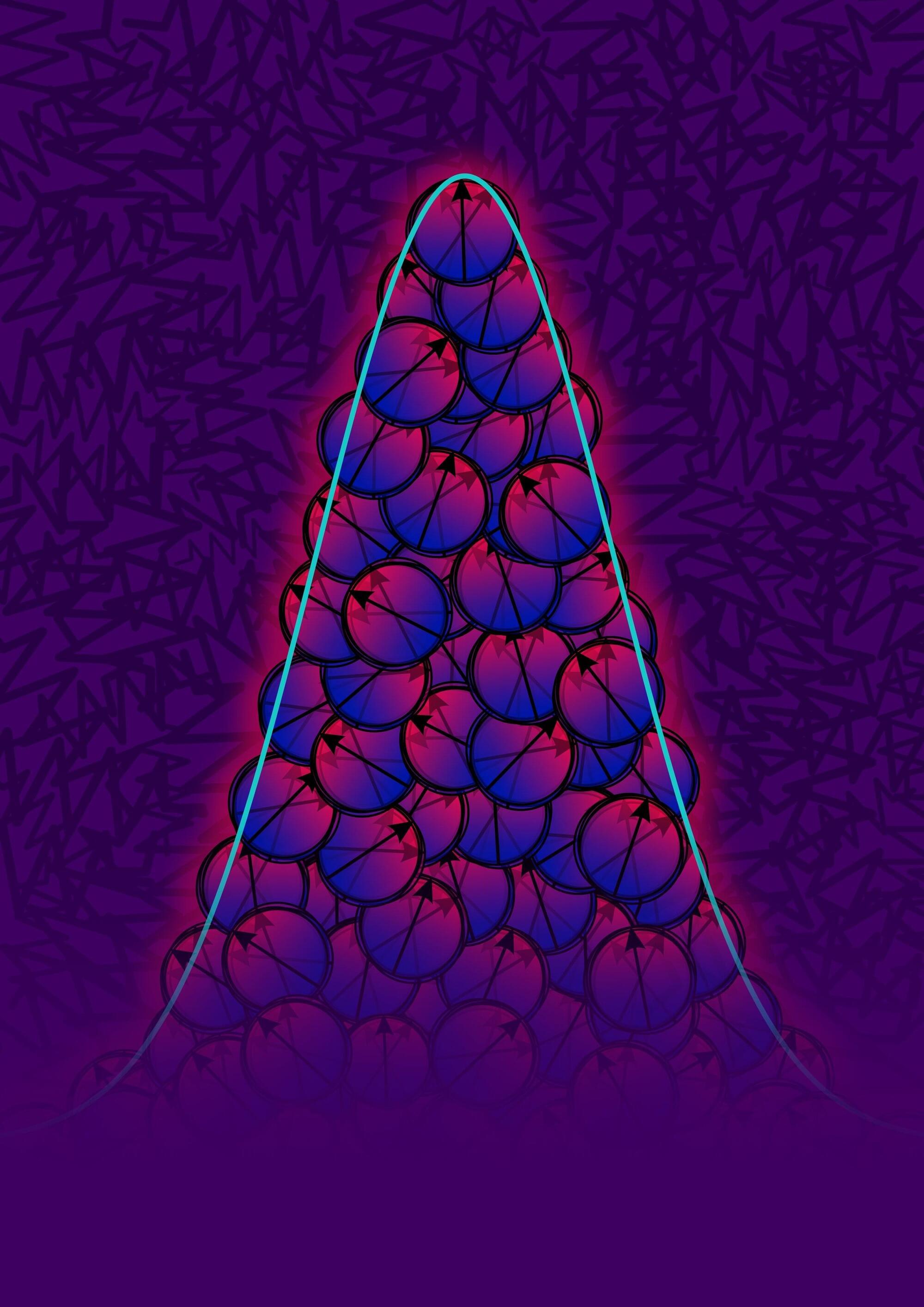
A ‘boom’ of light that appears when a particle exceeds the speed of light set by a medium could, in other contexts, signal a kind of quantum instability that could trigger what’s known as vacuum decay.

If ever spotted in the emptiness of space, according to theoretical physicist Eugeny Babichev of the University of Paris-Saclay, the eerie blue glow of Cherenkov radiation could be interpreted as a manifestation of negative-energy ghost perturbations.

Why does it matter? Because our current theory of gravity is incomplete, and such a signal would offer rare insight into how spacetime behaves in regimes where existing theories break down, and potentially narrow the search for better models.

/* */