As the Genesis Mission accelerates, robotics is emerging as the keystone industry in America’s next moonshot.



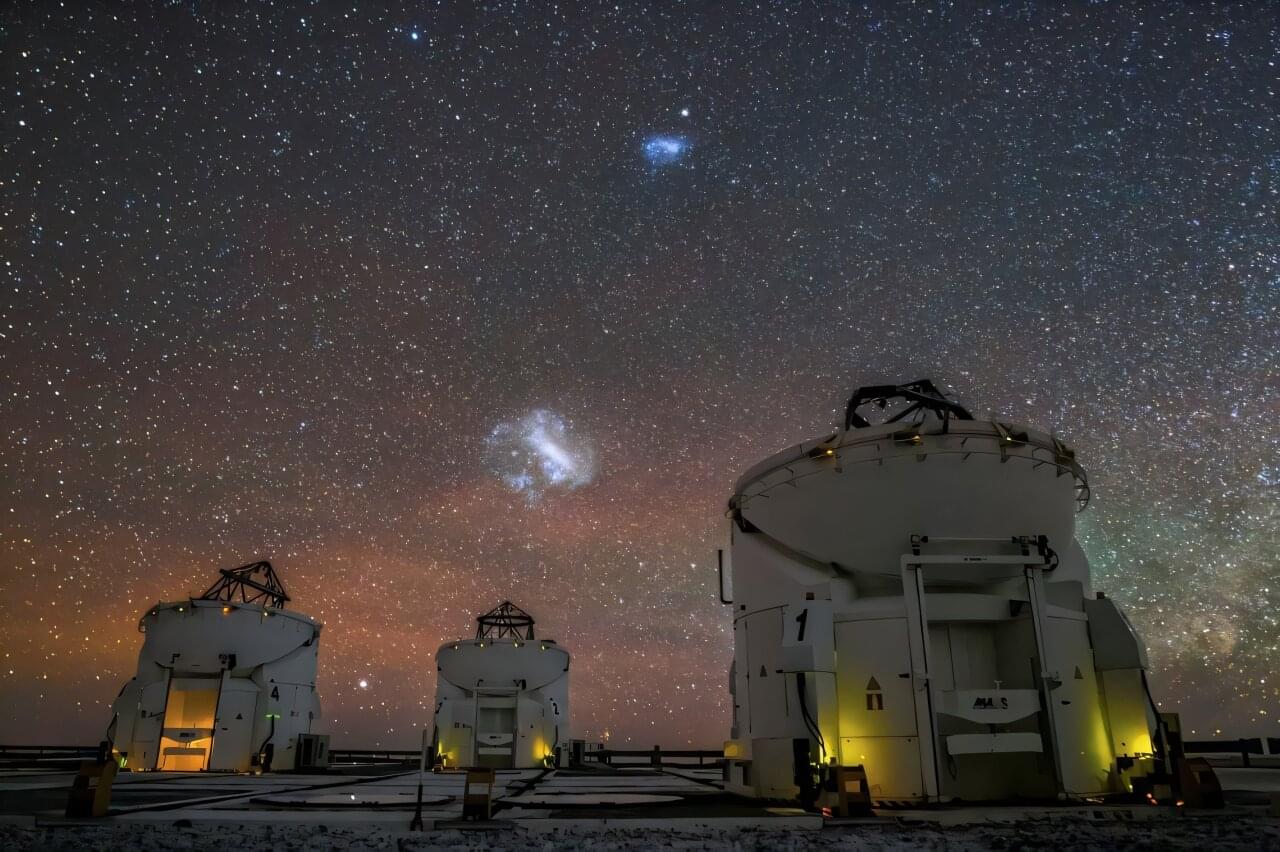
The Large and Small Magellanic Clouds are irregular dwarf galaxies and satellites of the Milky Way. The LMC is about 163,000 light-years away and the SMC is about 206,000 light-years away, and their close proximity makes them excellent laboratories for the study of galaxies in general. The Clouds are the focus of a new research group being formed at the Leibniz Institute for Astrophysics Potsdam (AIP).
Both clouds are home to numerous objects and regions that capture astronomers’ attention. The LMC hosts the Tarantula Nebula, an extremely active star-forming region that contains some of the largest stars known. The SMC hosts NGC 346, an open star cluster that contains numerous massive stars and is still forming many high-mass stars. The Clouds also contain variable stars that act as standard candles in the cosmic distance ladder. That’s just a sample from a long list of the clouds’ interesting features.
It can be easier to study things like star formation in galaxies other than the Milky Way, because we’re inside the Milky Way and can’t see all of it. The Large and Small Magellanic Clouds are excellent natural laboratories to study how galaxies evolve because astronomers can see them from a good vantage point.


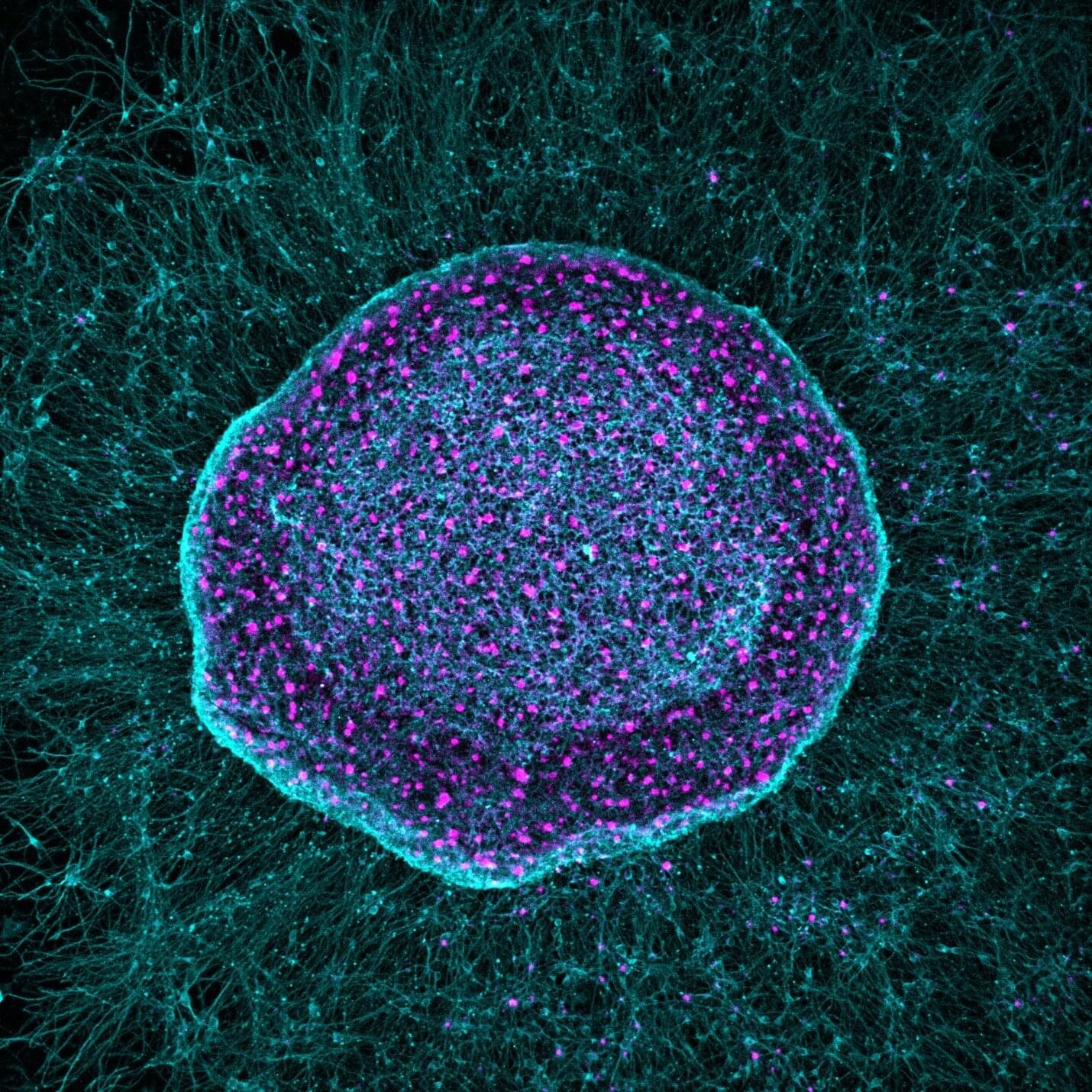
SereNeuro Therapeutics, a preclinical biotechnology company developing non-opioid pain therapies, has unveiled new data on a novel approach to chronic pain management and joint tissue preservation. The data highlight SN101, a first-in-class induced pluripotent stem cell (iPSC)-derived therapy.
The announcement was made at the International Society for Stem Cell Research (ISSCR) Symposium Accelerating PSC-Derived Cell Therapies: Starting with the End in Mind.