Toggle light / dark theme

Get the latest international news and world events from around the world.

Log in for authorized contributors

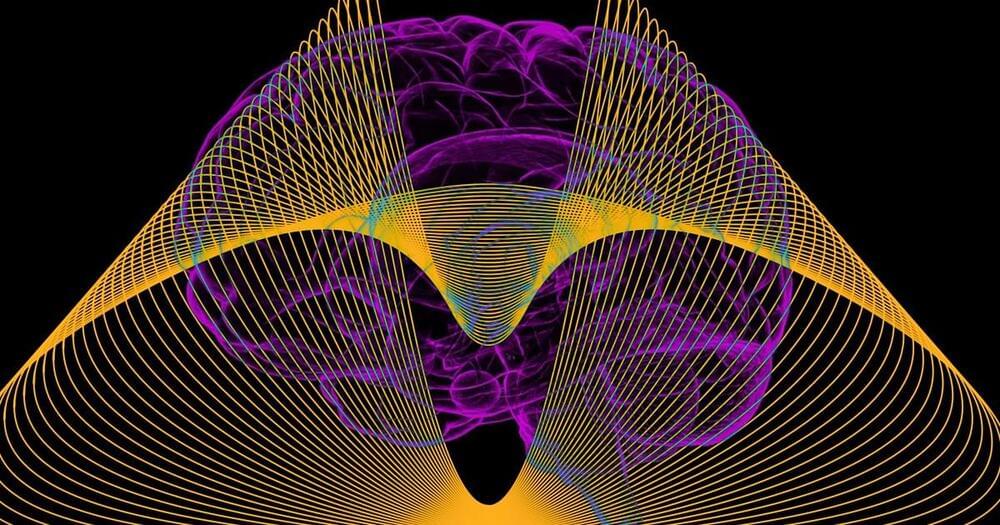
A Surprise Finding About Mouse Vision Could Change Our View of Cognition

Being able to tell the difference between a photo of something and the actual thing itself โ€“ picture-to-object equivalence, in science speak โ€“ is a useful test for better understanding the visual and cognitive function of other primates, birds, and even rats.

But how far does this ability to interpret a flat image extend in the animal kingdom?

A new study has found mice might also have the capacity, as they demonstrated the ability to link a 2D image of an object with the actual 3D object itself, using the hippocampus part of their brains in the same way that humans do.

Cognitive distortions linked to safetyism beliefs, support for trigger warnings, and the belief that words are harmful

๐‚๐จ๐ ๐ง๐ข๐ญ๐ข๐ฏ๐ž ๐๐ข๐ฌ๐ญ๐จ๐ซ๐ญ๐ข๐จ๐ง๐ฌ ๐ฅ๐ข๐ง๐ค๐ž๐ ๐ญ๐จ ๐ฌ๐š๐Ÿ๐ž๐ญ๐ฒ๐ข๐ฌ๐ฆ ๐›๐ž๐ฅ๐ข๐ž๐Ÿ๐ฌ, ๐ฌ๐ฎ๐ฉ๐ฉ๐จ๐ซ๐ญ ๐Ÿ๐จ๐ซ ๐ญ๐ซ๐ข๐ ๐ ๐ž๐ซ ๐ฐ๐š๐ซ๐ง๐ข๐ง๐ ๐ฌ, ๐š๐ง๐ ๐ญ๐ก๐ž ๐›๐ž๐ฅ๐ข๐ž๐Ÿ ๐ญ๐ก๐š๐ญ ๐ฐ๐จ๐ซ๐๐ฌ ๐š๐ซ๐ž ๐ก๐š๐ซ๐ฆ๐Ÿ๐ฎ๐ฅ

๐˜พ๐™ค๐™œ๐™ฃ๐™ž๐™ฉ๐™ž๐™ซ๐™š ๐™™๐™ž๐™จ๐™ฉ๐™ค๐™ง๐™ฉ๐™ž๐™ค๐™ฃ๐™จ ๐™–๐™ง๐™š ๐™š๐™ง๐™ง๐™ค๐™ง๐™จ ๐™ž๐™ฃ ๐™ง๐™š๐™–๐™จ๐™คโ€ฆ See more.


A new correlational study, published in Personality and Individual Differences, found empirical support for these claims by finding an association between frequency of cognitive distortions and stronger safetyism-inspired beliefs.

What are the Switchblade โ€˜kamikazeโ€™ drones the US is sending to Ukraine?

ยท They have on-board video cameras and colour sensors to aid with guidance.

ยท They are essentially camera-equipped, remote-controlled flying bombs that can be directed by an operator to find a target then, when ready, plunge on to it. They explode on contact, hence the โ€œkamikazeโ€ nickname.

Switchblades extend the range of attack on Russian vehicles and units to beyond the sight of the user. That gives them an advantage over the guided heat-seeking missiles the Ukrainians have used against Russian tanks.

AI and Human Enhancement: Americansโ€™ Openness Is Tempered by a Range of Concerns

Developments in artificial intelligence and human enhancement technologies have the potential to remake American society in the coming decades. A new Pew Research Center survey finds that Americans see promise in the ways these technologies could improve daily life and human abilities. Yet public views are also defined by the context of how these technologies would be used, what constraints would be in place and who would stand to benefit โ€“ or lose โ€“ if these advances become widespread.

Fundamentally, caution runs through public views of artificial intelligence (AI) and human enhancement applications, often centered around concerns about autonomy, unintended consequences and the amount of change these developments might mean for humans and society. People think economic disparities might worsen as some advances emerge and that technologies, like facial recognition software, could lead to more surveillance of Black or Hispanic Americans.

This survey looks at a broad arc of scientific and technological developments โ€“ some in use now, some still emerging. It concentrates on public views about six developments that are widely discussed among futurists, ethicists and policy advocates. Three are part of the burgeoning array of AI applications: the use of facial recognition technology by police, the use of algorithms by social media companies to find false information on their sites and the development of driverless passenger vehicles.

Clockwork DevTerm R-01 Takes RISC-V Out For A Spin

If youโ€™re anything like us youโ€™ve been keeping a close eye on the development of RISC-V: an open standard instruction set architecture (ISA) thatโ€™s been threatening to change the computing status quo for what seems like forever. From its humble beginnings as a teaching tool in Berkeleyโ€™s Parallel Computing Lab in 2010, itโ€™s popped up in various development boards and gadgets from time to time. It even showed up in the 2019 Hackaday Supercon badge, albeit in FPGA form. But getting your hands on an actual RISC-V computer has been another story entirely. Until now, that is.

Clockwork has recently announced the availability of the DevTerm R-01, a variant of their existing portable computer thatโ€™s powered by a RISC-V module rather than the ARM chips featured in the earlier A04 and A06 models. Interestingly the newest member of the family is actually the cheapest at $239 USD, though itโ€™s worth mentioning that not only does this new model only include 1 GB of RAM, but the product page makes it clear that the RISC-V version is intended for experienced penguin wranglers who arenโ€™t afraid of the occasional bug.

Beyond the RISC-V CPU and slimmed down main memory, this is the same DevTerm that our very own [Donald Papp] reviewed earlier this month. Thanks to the modular nature of the portable machine, this sort of component swapping is a breeze, though frankly weโ€™re impressed that the Clockwork team is willing to go out on such a limb this early in the productโ€™s life. In our first look at the device we figured at best they would release an updated CPU board to accommodate the Raspberry Pi 4 Compute Module, but supporting a whole new architecture is a considerably bolder move. One wonders that other plans they may have for the retro-futuristic machine. Perhaps a low-power x86 chip isnโ€™t out of the question?

/* */