Toggle light / dark theme

Get the latest international news and world events from around the world.

Log in for authorized contributors

Transistor ‘design limitation’ actually improves performance, scientists find

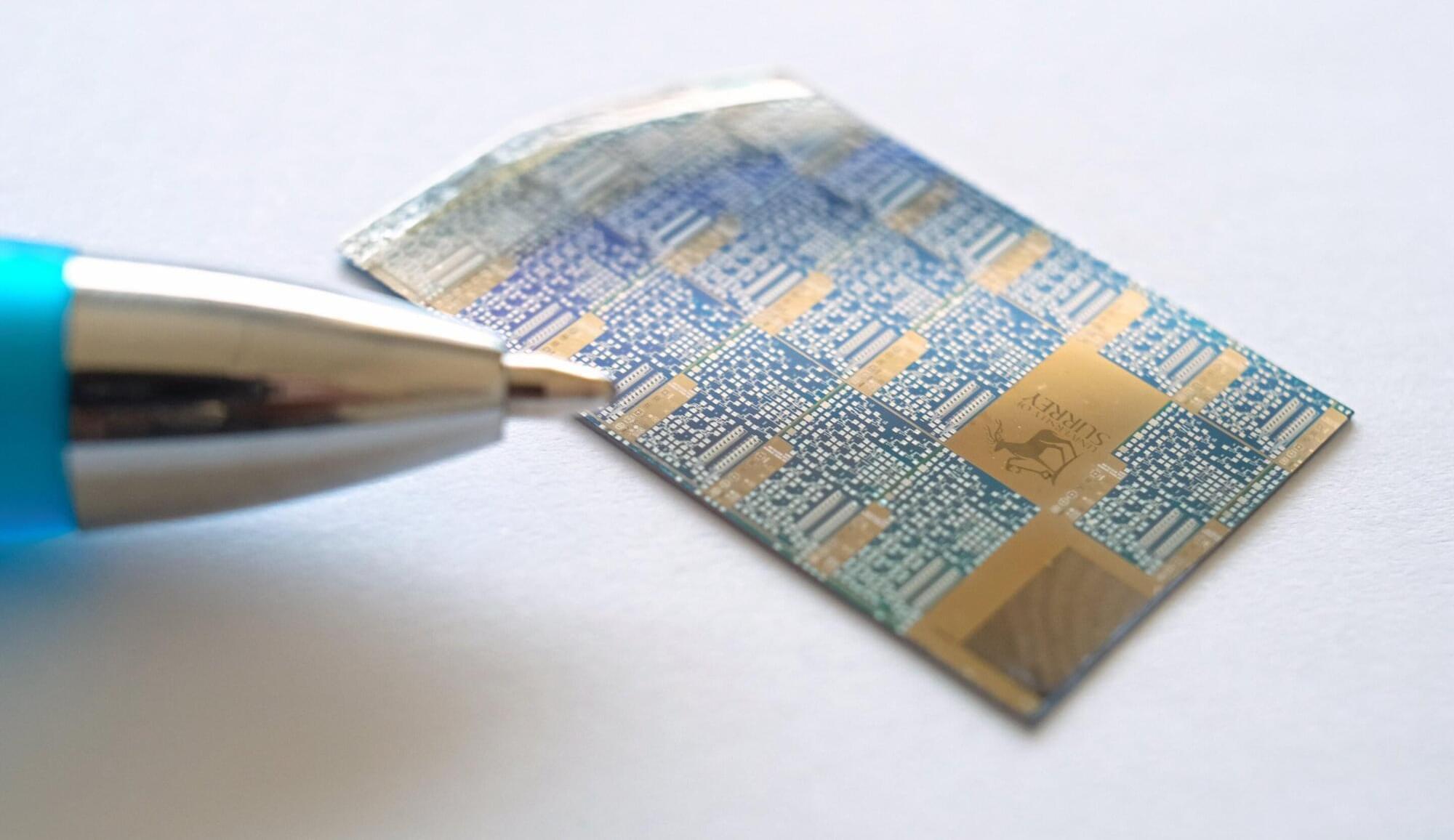
What many engineers once saw as a flaw in organic electronics could actually make these devices more stable and reliable, according to new research from the University of Surrey and Joanneum Research Materials.

The paper, which will be presented at the IEEE International Electron Devices Meeting (IEDM) 2025, describes how embracing small energy barriers at the metal/semiconductor interface of organic thin-film transistors (OTFTs) can help them perform more consistently and operate more reliably over time.

Organic thin-film transistors (OTFTs) are a key component of what are thought to be the next generation of flexible and wearable electronics. They are lightweight, low-cost and printable on large areas, but their long-term stability has been a persistent challenge.
Colloidal quantum dot photodiodes integrated on metasurfaces for compact SWIR sensors

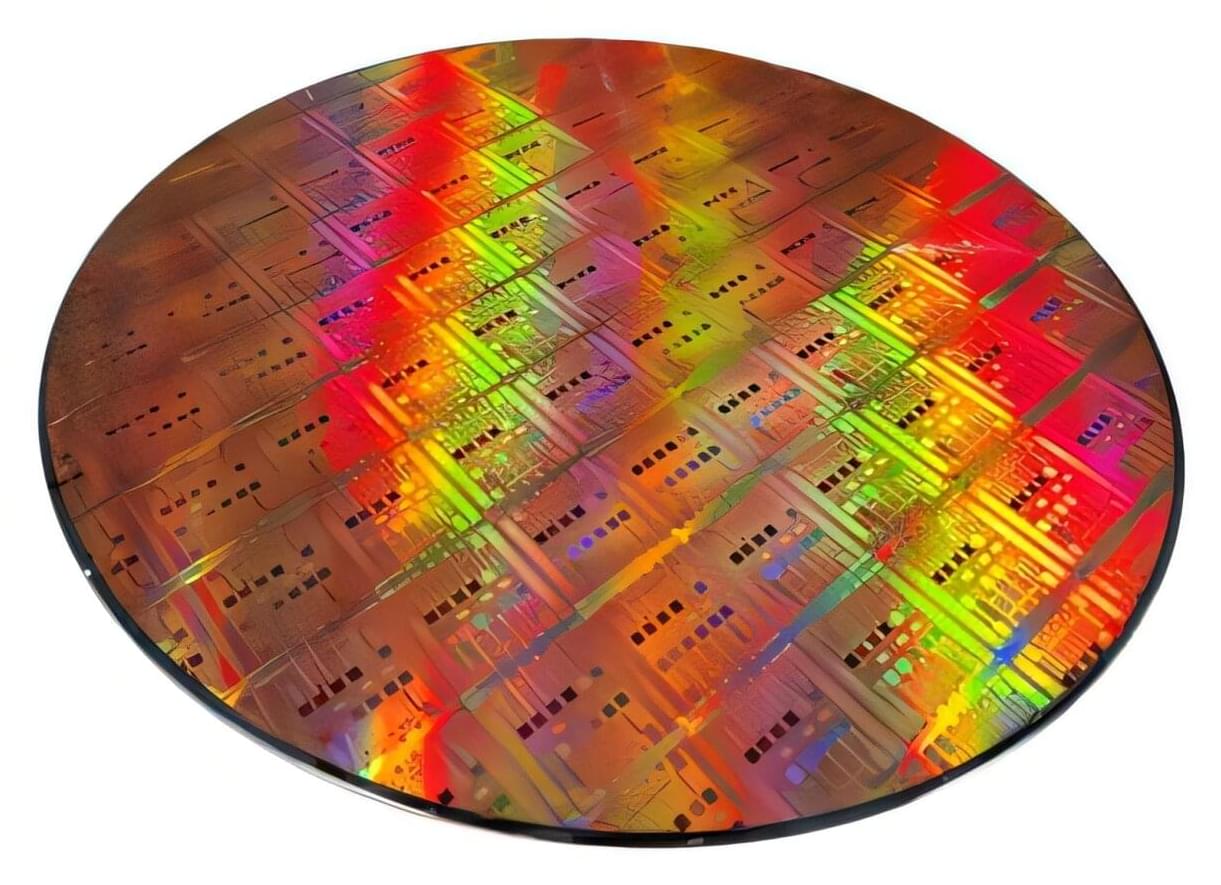
This week, at the IEEE International Electron Devices Meeting (IEDM 2025), imec, a research and innovation hub in advanced semiconductor technologies, successfully demonstrated the integration of colloidal quantum dot photodiodes (QDPDs) on metasurfaces developed on its 300 mm CMOS pilot line. This pioneering approach enables a scalable platform for the development of compact, miniaturized shortwave infrared (SWIR) spectral sensors, setting a new standard for cost-effective and high-resolution spectral imaging solutions.

Short-wave infrared (SWIR) sensors offer unique capabilities. By detecting wavelengths beyond the visible spectrum, they can reveal contrasts and features invisible to the human eye and can therefore see through certain materials such as plastics or fabrics, or challenging conditions like haze and smoke. Conventional SWIR sensors remain, however, expensive, bulky, and challenging to manufacture, restricting their use to niche applications.

Quantum dot (QD) image sensors, a new class of SWIR sensors, offer a promising alternative, combining lower cost with higher resolution. So far, however, they have operated in broadband rather than in spectral mode.

Radiofrequency upgrades ensure accelerator stability and reliability

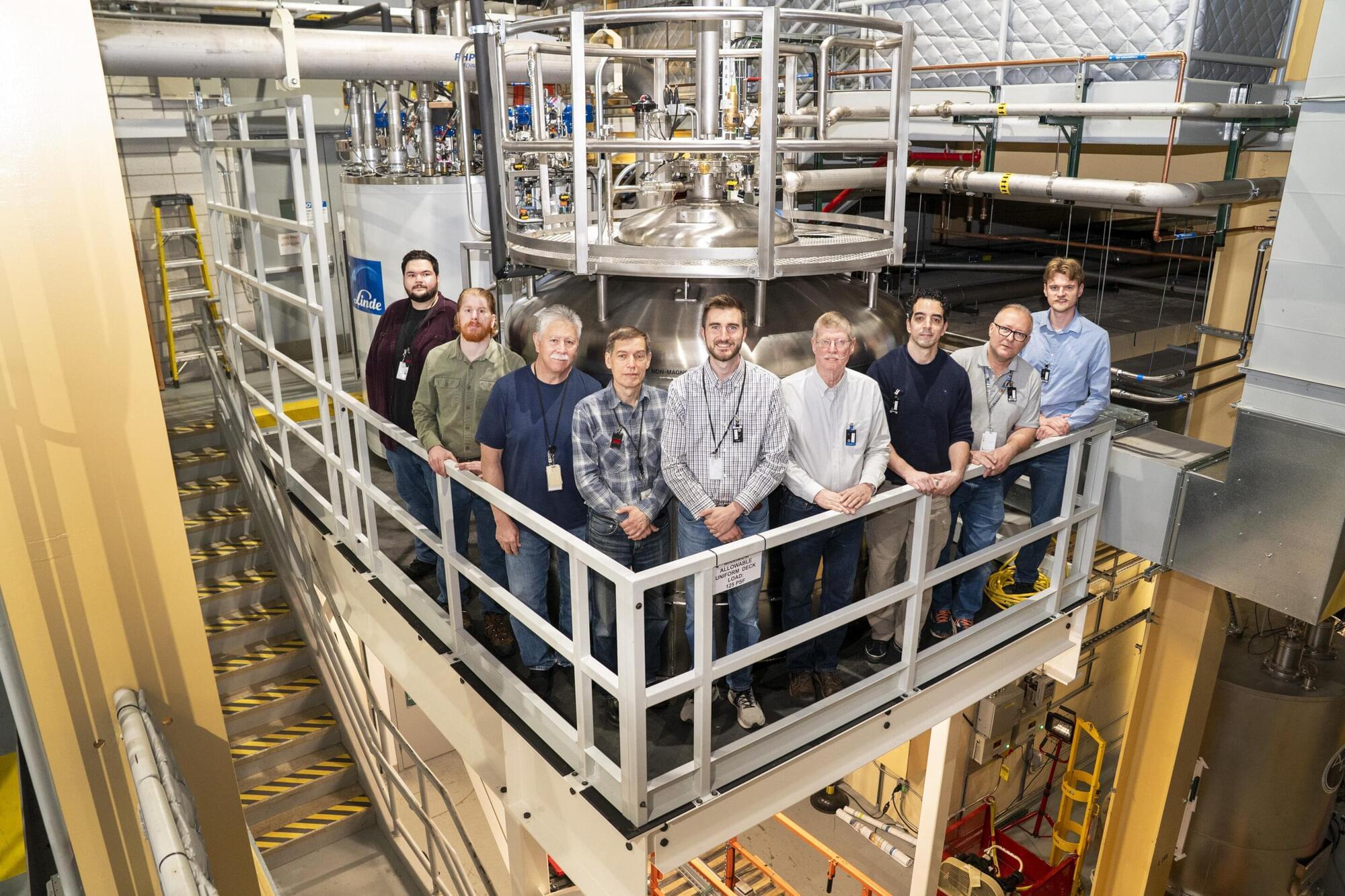
Running a synchrotron light source is a massive team effort that brings hundreds of highly skilled and specialized professionals together. The radiofrequency (RF) group at the National Synchrotron Light Source II (NSLS-II), a U.S. Department of Energy (DOE) Office of Science user facility at DOE’s Brookhaven National Laboratory, plays an integral role in synchrotron operations. The work they do, often behind the scenes, ensures that the electron beam that enables cutting-edge science at NSLS-II remains bright, powerful, and stable.

The electrons that circle through NSLS-II’s nearly half-mile-long storage ring lose energy as they produce X-rays, which scientists use to perform a variety of experiments at the facility. To keep the beam moving steadily, the electrons pass through hollow RF cavities. These cavities, tuned to a precise frequency, restore the electrons’ energy each time they pass through.

When cooled to cryogenic temperatures, the material that the cavities are comprised of, niobium, takes on superconducting properties that nearly eliminate electrical resistance and drastically improve energy efficiency and beam stability. The design also allows unwanted high-frequency oscillations to be safely damped, ensuring a stable, high-intensity X-ray beam.

/* */