Most facilities sit outside the temperature range recommended for efficient operation, as AI growth pushes data centers into hotter regions.


The most dangerous people are not the malicious ones. They’re the ones who are certain they’re right.
Most of the harm in history has been done by people who believed they knew what was right — and acted on that belief without recognizing the limits of their own knowledge.
Socrates understood this long ago: the most dangerous is not *not knowing*, but *not knowing that we don’t know* — especially when paired with power.
Read on to find why:
* certainty often does more harm than malice * humility isn’t weakness, it’s discipline * action doesn’t require certainty, only responsibility * and why, in an age of systems, algorithms, and institutions, has quietly become structural.
This isn’t an argument for paralysis or relativism.
It’s an argument for acting without pretending we are infallible.
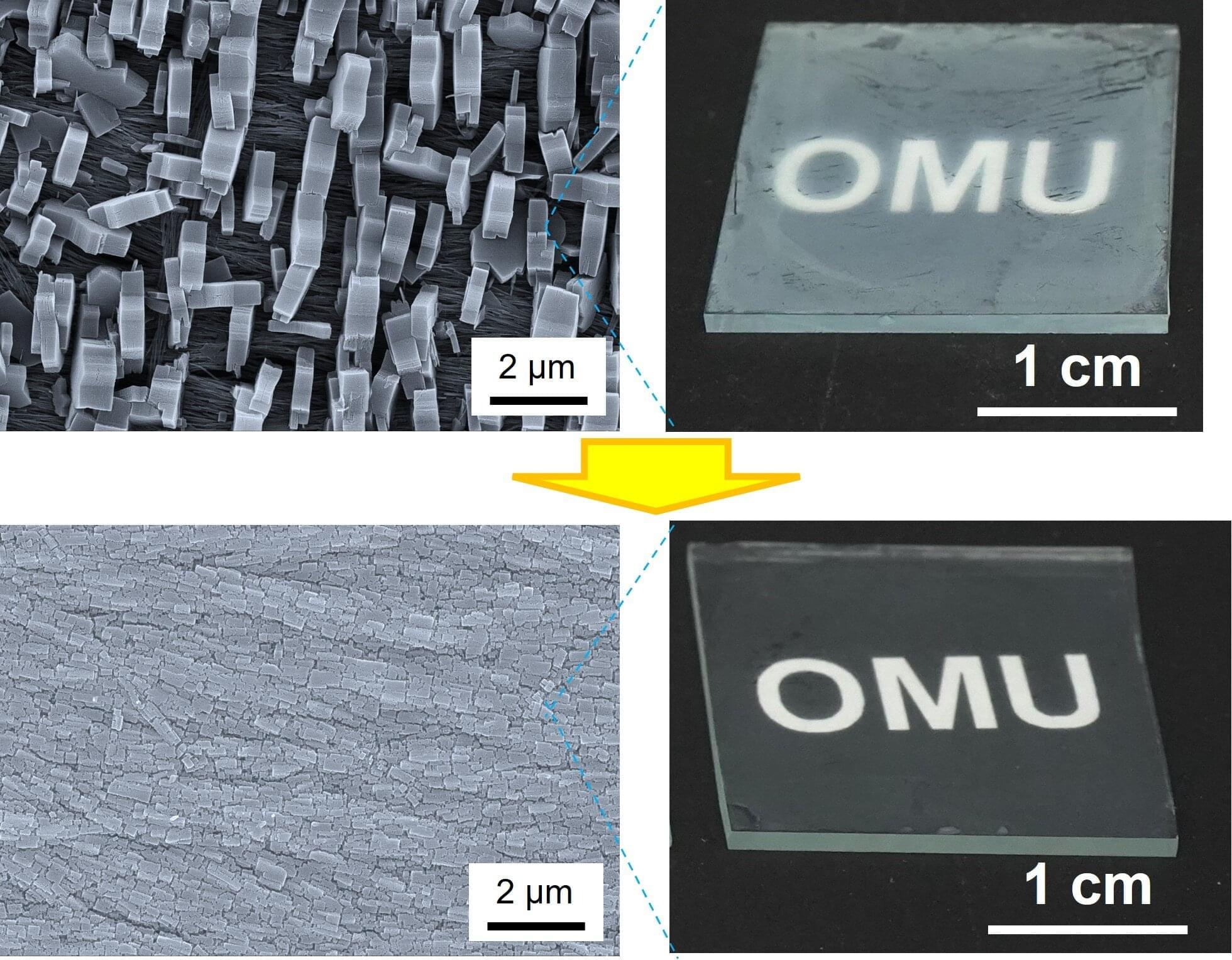
Table salt and refined sugar look white to our eyes, but that is only because their individual colorless crystals scatter visible light. This feature of crystals is not always desirable when it comes to materials for optical and electrical devices, however.
Metal-organic frameworks are one such material. Crystalline with micropores, thin films of these nanomaterials have been attracting attention as a next-generation material that could also have an impact on environmental issues such as hydrogen storage and carbon dioxide capture.
An Osaka Metropolitan University Graduate School of Engineering team has found a way to control the growth of crystals on such thin films so that light scattering is reduced significantly.

Scientists led by Nanyang Technological University, Singapore (NTU Singapore) investigators have made a significant advance in developing alternative materials for the high-speed memory chips that let computers access information quickly and that bypass the limitations of existing materials.
They have discovered a way that allows them to make sense of previously hard-to-read data stored in these alternative materials, known as antiferromagnets.
Researchers consider antiferromagnets to be attractive materials for making computer memory chips because they are potentially more energy efficient than traditional ones made of silicon. Memory chips made of antiferromagnets are not subject to the size and speed constraints nor corruption issues that are inherent to chips made with certain magnetic materials.
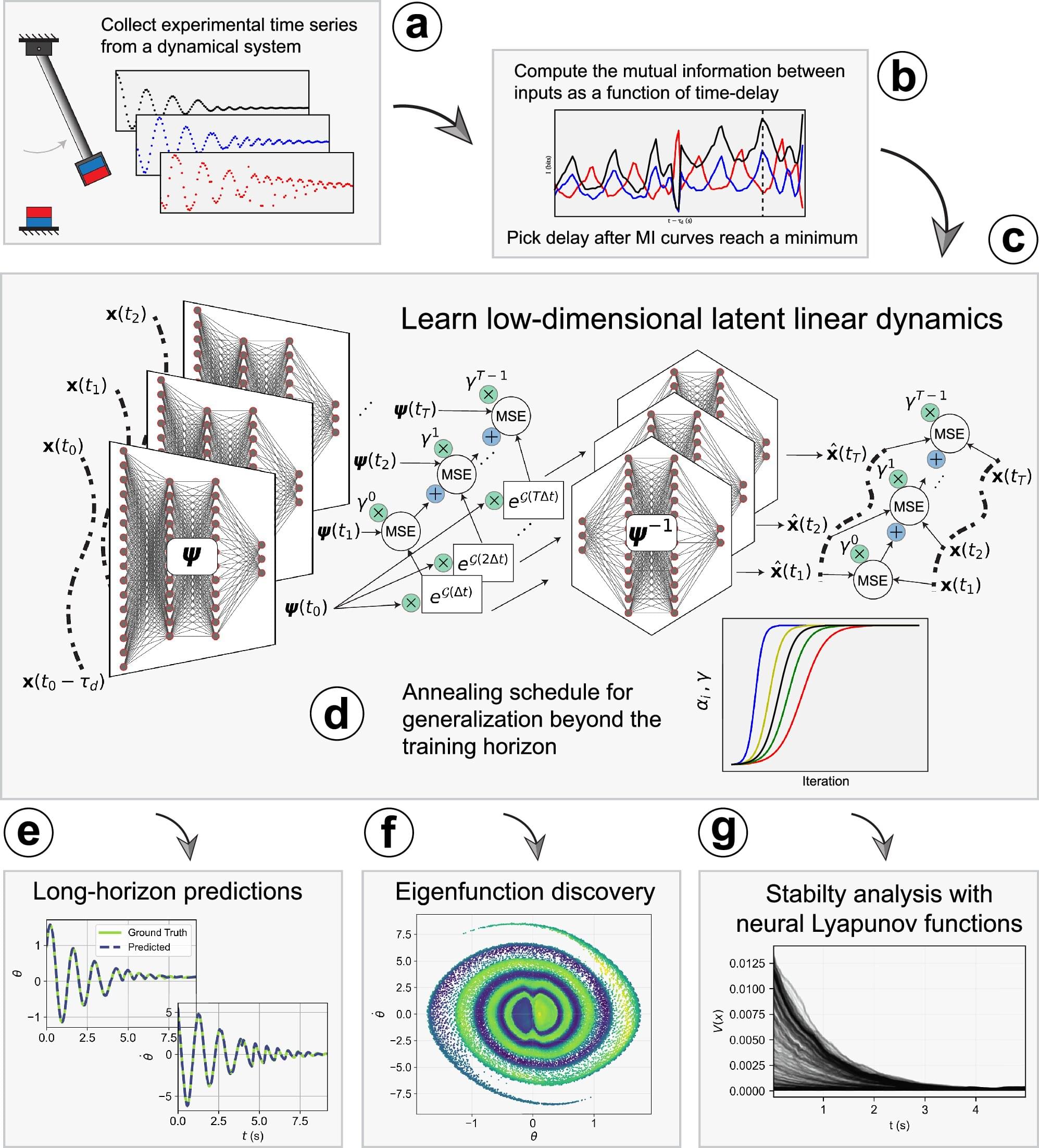
A research team at Duke University has developed a new AI framework that can uncover simple, understandable rules that govern some of the most complex dynamics found in nature and technology.
The AI system works much like how history’s great “dynamicists”—those who study systems that change over time—discovered many laws of physics that govern such systems’ behaviors. Similar to how Newton, the first dynamicist, derived the equations that connect force and movement, the AI takes data about how complex systems evolve over time and generates equations that accurately describe them.
The AI, however, can go even further than human minds, untangling complicated nonlinear systems with hundreds, if not thousands, of variables into simpler rules with fewer dimensions.
Researchers at Örebro University have developed two new AI models that can analyse the brain’s electrical activity and accurately distinguish between healthy individuals and patients with dementia, including Alzheimer’s disease.
“Early diagnosis is crucial in order to be able to take proactive measures that slow down the progression of the disease and improve the patient’s quality of life,” says Muhammad Hanif, researcher in informatics at Örebro University.
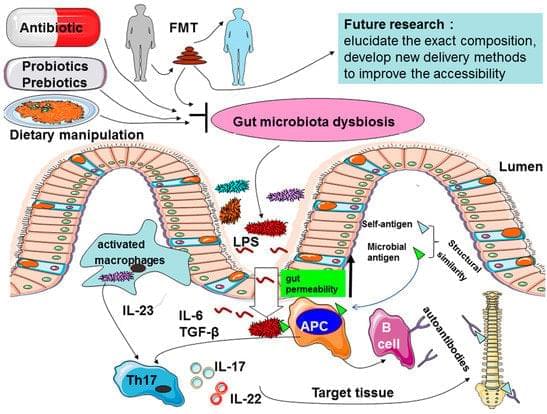
Ankylosing spondylitis (AS) is a chronic inflammatory disease primarily affecting the sacroiliac joints and the spine, for which the pathogenesis is thought to be a result of the combination of host genetic factors and environmental triggers. However, the precise factors that determine one’s susceptibility to AS remain to be unraveled. With 100 trillion bacteria residing in the mammalian gut having established a symbiotic relation with their host influencing many aspects of host metabolism, physiology, and immunity, a growing body of evidence suggests that intestinal microbiota may play an important role in AS. Several mechanisms have been suggested to explain the potential role of the microbiome in the etiology of AS, such as alterations of intestinal permeability, stimulation of immune responses, and molecular mimicry.