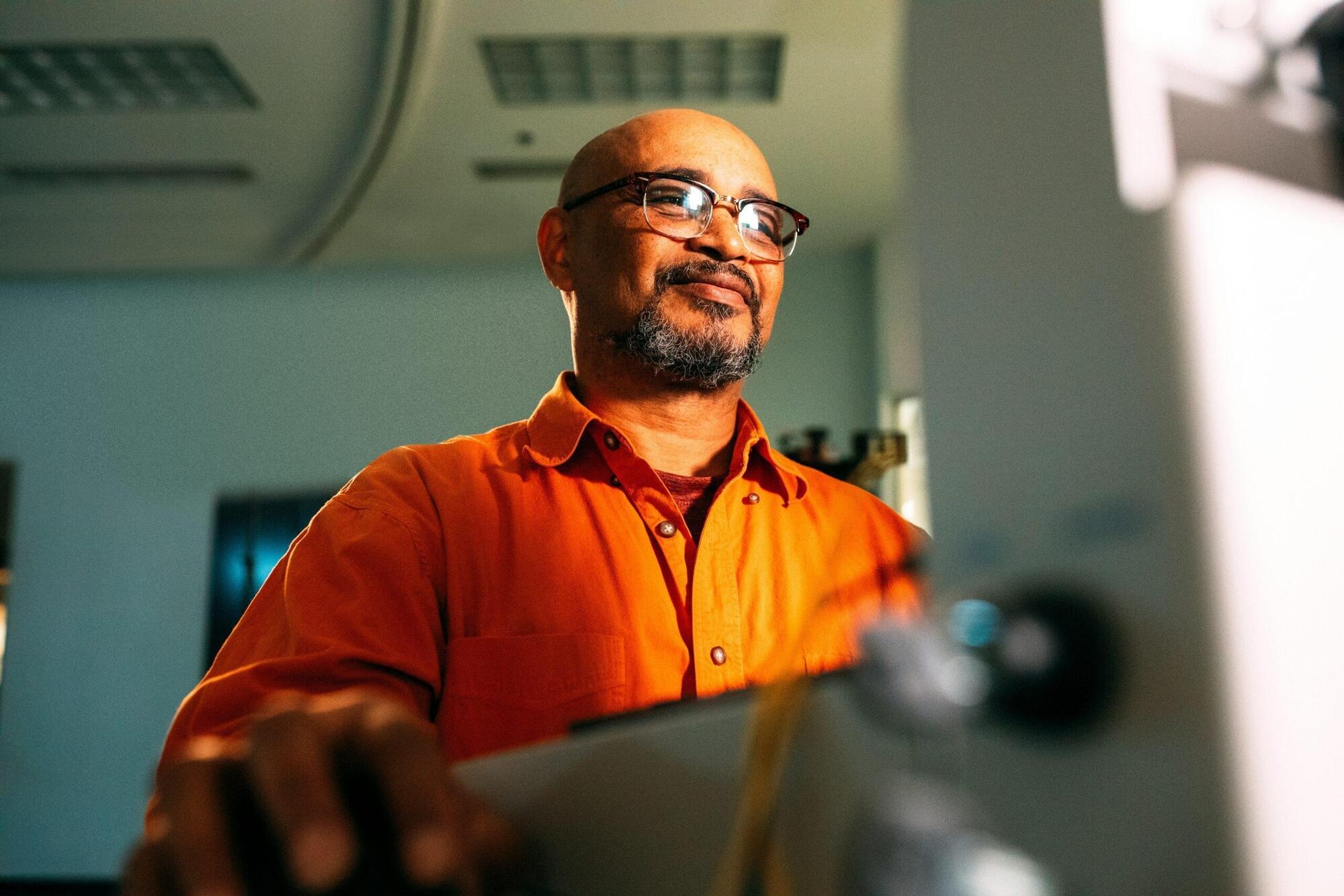
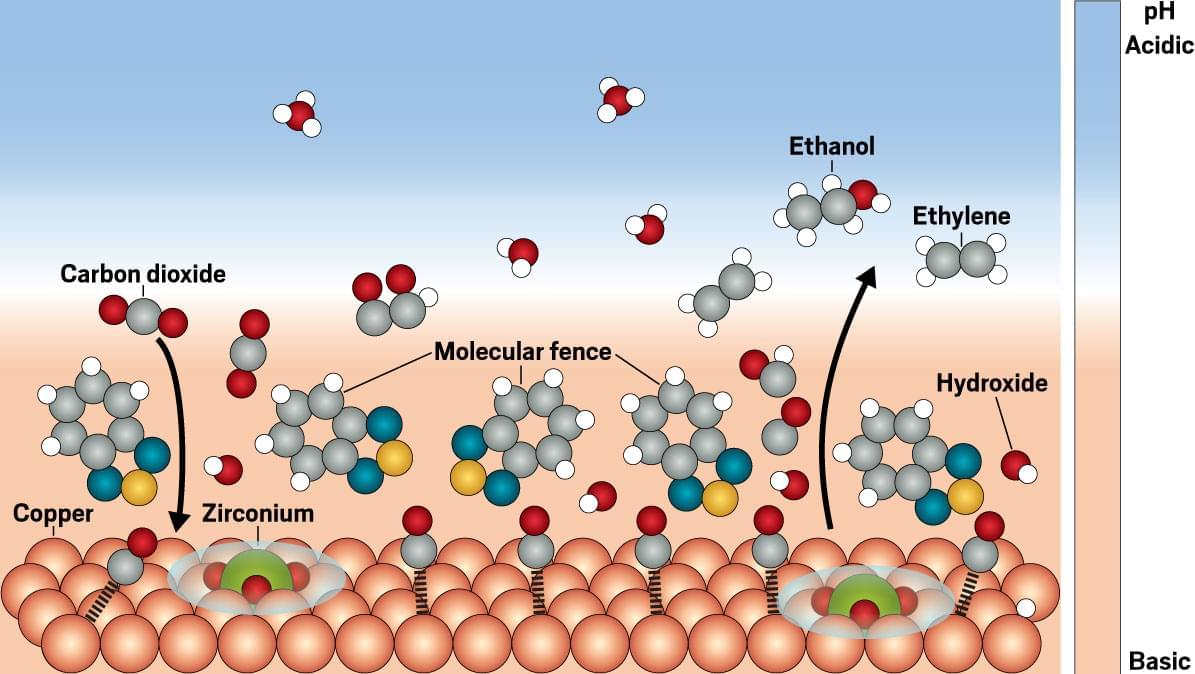
A small molecule traps reaction intermediates on an electrocatalytic surface, making ethylene production more efficient and potentially scalable

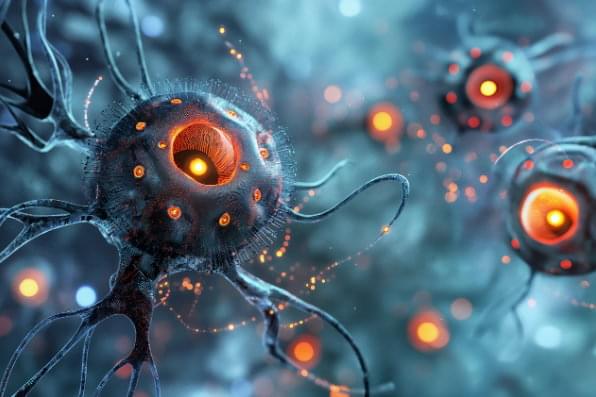
For most of human history, medical treatment has relied on methods such as pills, injections, and surgery. Now, scientists are exploring a new idea: making tiny, programmable machines from DNA that can move through the bloodstream.
A recent review published in the journal SmartBot says these DNA nanorobots could one day be capable of delivering drugs to specific locations in the body, capturing viruses like SARS-CoV-2, and even helping build tiny computing devices. Even though these ideas are exciting, the technology is still in its early stages.
Early Stages of Development.
Tech companies have long profited from personal data.
A newer market is emerging around non-invasive devices that capture brain signals.
That creates serious privacy and legal questions, because neural data may reveal extremely sensitive information.
The article’s warning is that society needs to think about protections before this market expands further.
The fast-growing market of non-invasive neurotechnology is collecting people’s neural data without clear guidelines.

NASA’s Artemis 2 astronauts have witnessed one of the rarest sights in spaceflight history — a total solar eclipse from beyond the moon.
The event unfolded yesterday (April 6) as the Orion spacecraft looped around the far side of the moon. This trajectory placed the crew in the right place at the right time to see the moon completely block the sun for about 53 minutes, which is far longer than the maximum period of totality for eclipses seen from Earth.
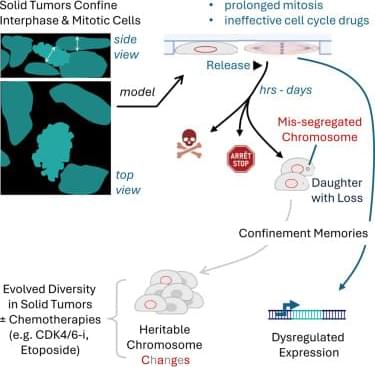
Solid tumors show frequent chromosome loss and some compressed cells. Phan et al. show mitotic spindle perturbations cause mis-segregation of chromosomes and heritable chromosome loss. The effects are facets of a “memory” that phenocopies standard nocodazole washout experiments, including cell death and arrest, and that proves insensitive to compression beyond a threshold.
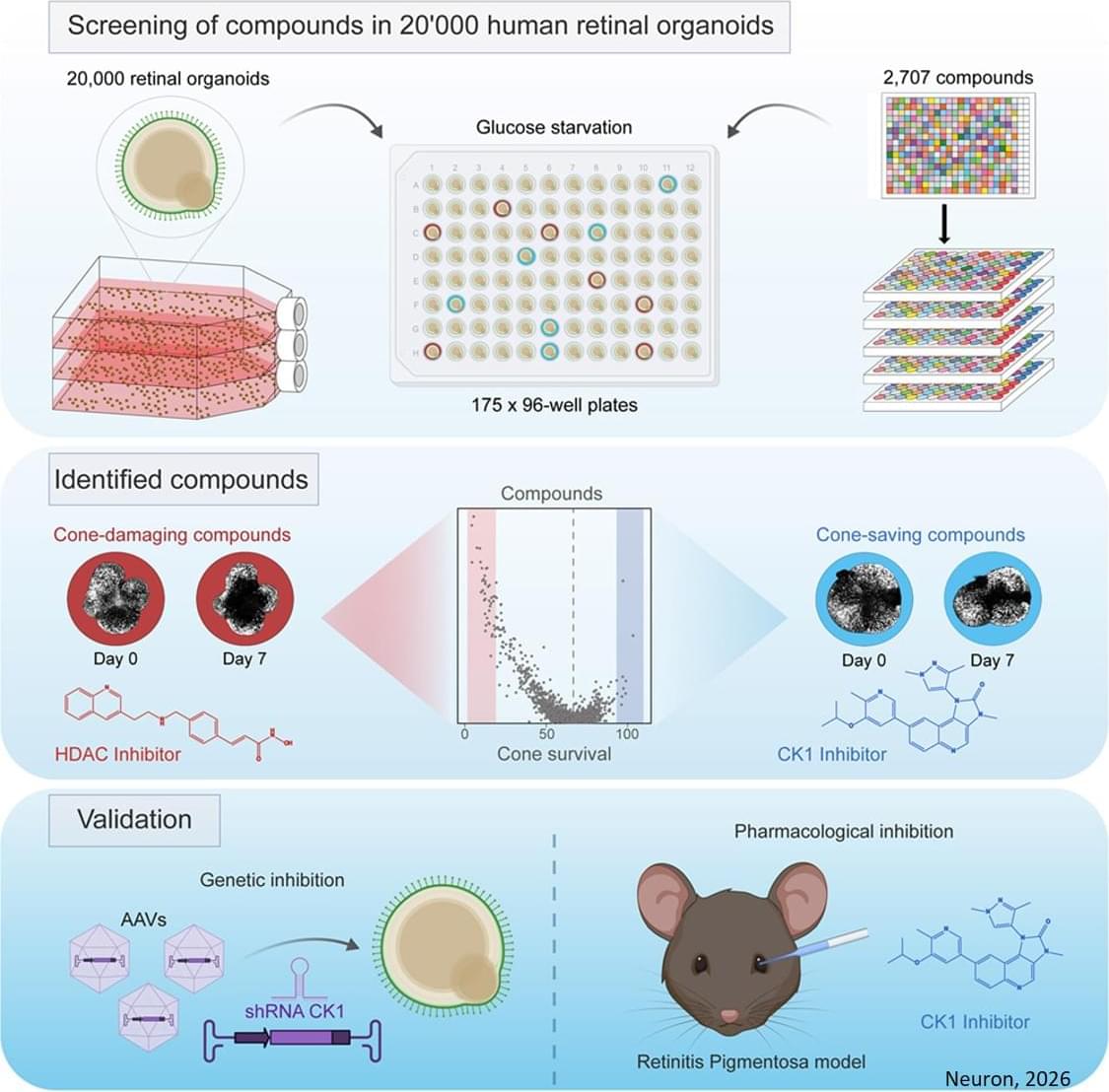
Clear patterns emerged: two kinase inhibitors consistently protected cones over extended periods.
The researchers identified inhibitors of casein kinase 1 (CK1) that protected cones, heat shock protein 90 (HSP90) inhibitors that saved cones in the short term but damaged them in the longer term, and broad histone deacetylase (HDAC) inhibition by many compounds that significantly damaged cones.
The protective effects held across different stress conditions and were further confirmed in a mouse model of retinal degeneration, supporting their broader relevance.
Beyond identifying protective pathways, the study makes a comprehensive dataset publicly available, covering the compounds tested, their molecular targets, and their effects on human cone survival. This resource will guide the development of therapies aimed at preserving central vision and enable a systematic assessment of potential retinal toxicity. ScienceMission sciencenewshighlights.
Scientists have identified genetic pathways and compounds capable of protecting cone photoreceptors from the degeneration that underlies conditions like age-related macular degeneration.
Cone photoreceptors, concentrated in the macula, are essential for reading, recognizing faces, and perceiving colors. Their death, as it happens in many inherited retinal diseases and macular degeneration, leads to the loss of central vision. Despite decades of research, no approved therapies can halt this process. This new study, conducted by researchers addresses this unmet need using a human-based experimental system.
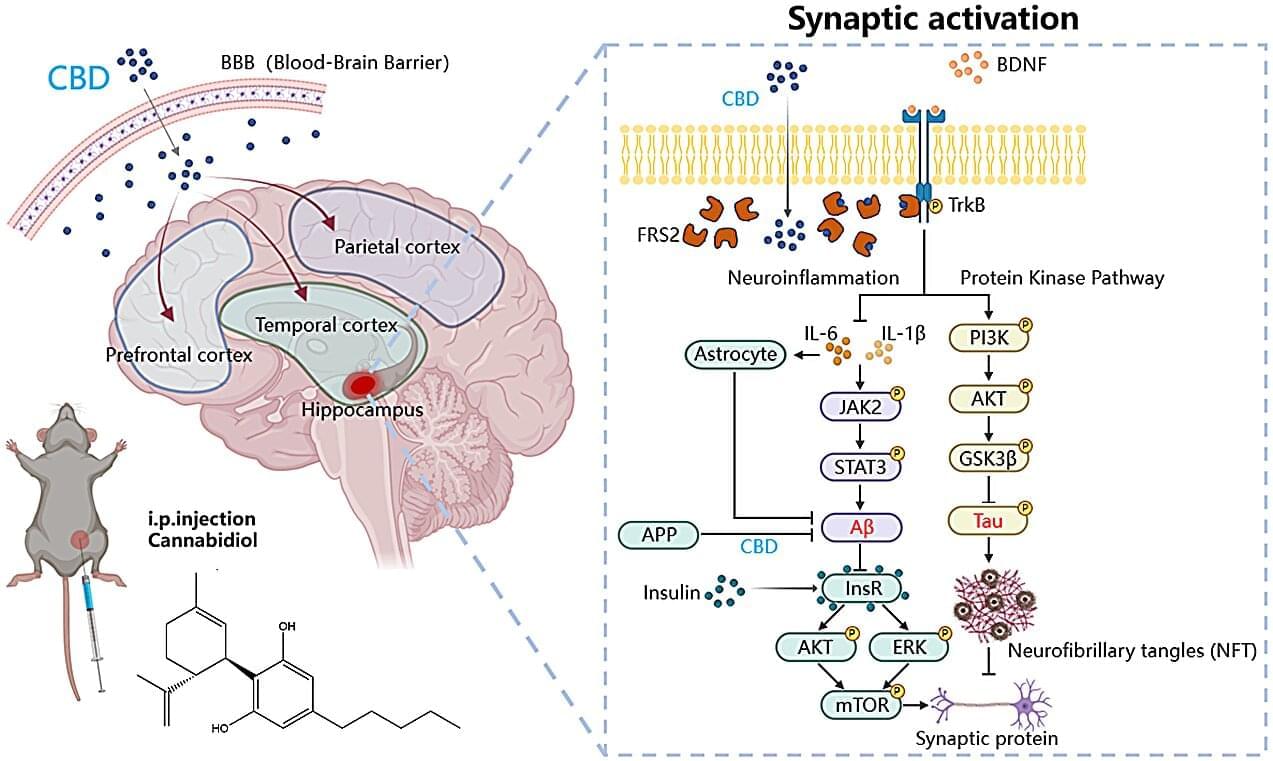
Alzheimer’s disease (AD) is a neurodegenerative disorder characterized by progressive memory loss, cognitive decline, and behavioral changes. The deficits linked to AD are known to result from the abnormal accumulation of proteins, particularly tau and β-amyloid (Aβ) in the brain and between nerve cells, which causes neuroinflammation and can prompt the degradation of brain cells.
The non-psychoactive compound derived from the Cannabis sativa plant, called cannabidiol (CBD), was recently found to show promise for protecting brain cells from damage.
Compared to Δ9-tetrahydrocannabinol (THC), the compound in cannabis that elicits feelings of euphoria and alters a user’s mental state, CBD is safer and could thus be easier to introduce in clinical settings.
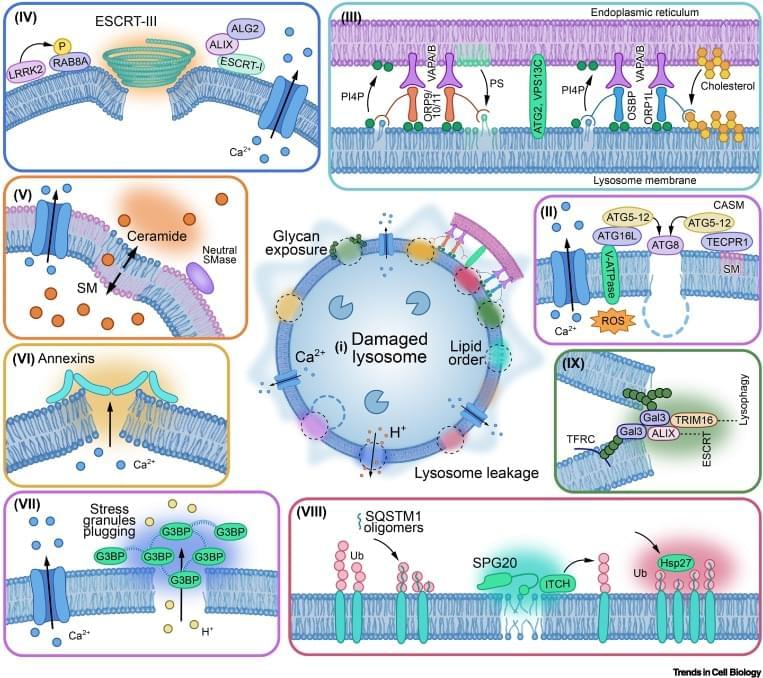
Repairing or degrading damaged lysosomes.
Many key lysosomal repair proteins have an intrinsic propensity to form biomolecular condensates. This points to an emerging paradigm where phase separation, not just individual protein actions, may be a central feature in orchestrating the response to membrane damage.
Recent work has separately highlighted the roles of protein condensates and lipid domains in membrane repair. This raises the intriguing possibility of a mechanistic synergy, where protein and lipid phase separation coregulate each other to mount an integrated response to damage.
A key question is how cells choose between the repair and degradation of a damaged lysosome. The recent discovery of pathways that sense lipid packing defects suggests a new framework, where the biophysical state of the membrane itself helps determine organelle fate. sciencenewshighlights ScienceMission https://sciencemission.com/lysosome-integrity
Lysosomes are sophisticated signaling hubs whose function depends on membrane integrity. A breach of this barrier, known as lysosomal membrane permeabilization, triggers inflammation and cell death, driving pathologies from lysosomal storage disorders to neurodegeneration. Cells counter membrane damage with diverse repair mechanisms, including endosomal sorting complexes required for transport machinery, sphingomyelin scrambling, annexin-mediated scaffolding, lipid transport, and stress granule plugging. This diversity suggests singular strategies are insufficient, posing an ‘orchestration challenge’ regarding precise initiation, spatial organization, and temporal coordination. This opinion article proposes that biomolecular condensation, initiated by damage cues, acts as a primary organizing principle.