Toggle light / dark theme

Get the latest international news and world events from around the world.

Log in for authorized contributors

Quantum calculations expose hidden chemistry of ice

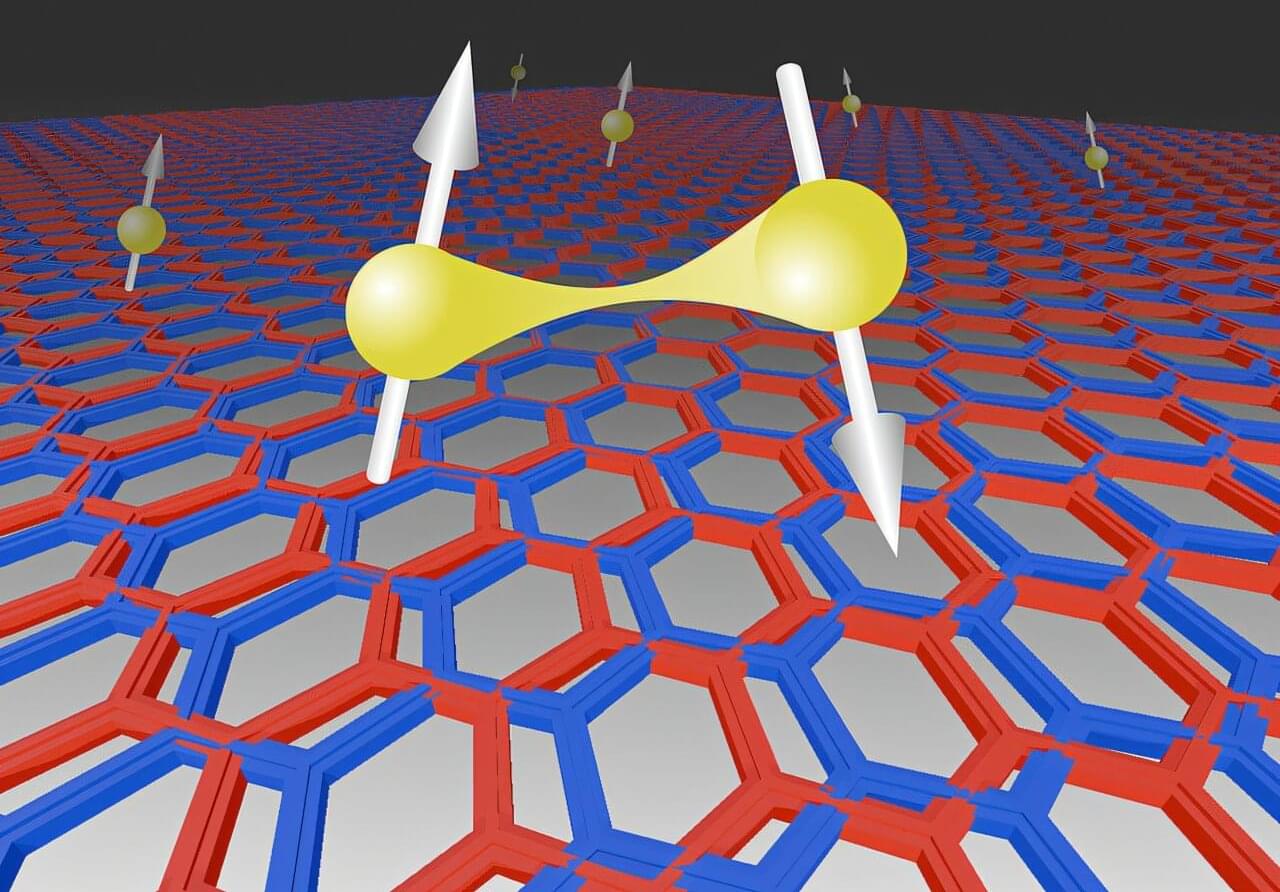
When ultraviolet light hits ice—whether in Earth’s polar regions or on distant planets—it triggers a cascade of chemical reactions that have puzzled scientists for decades.

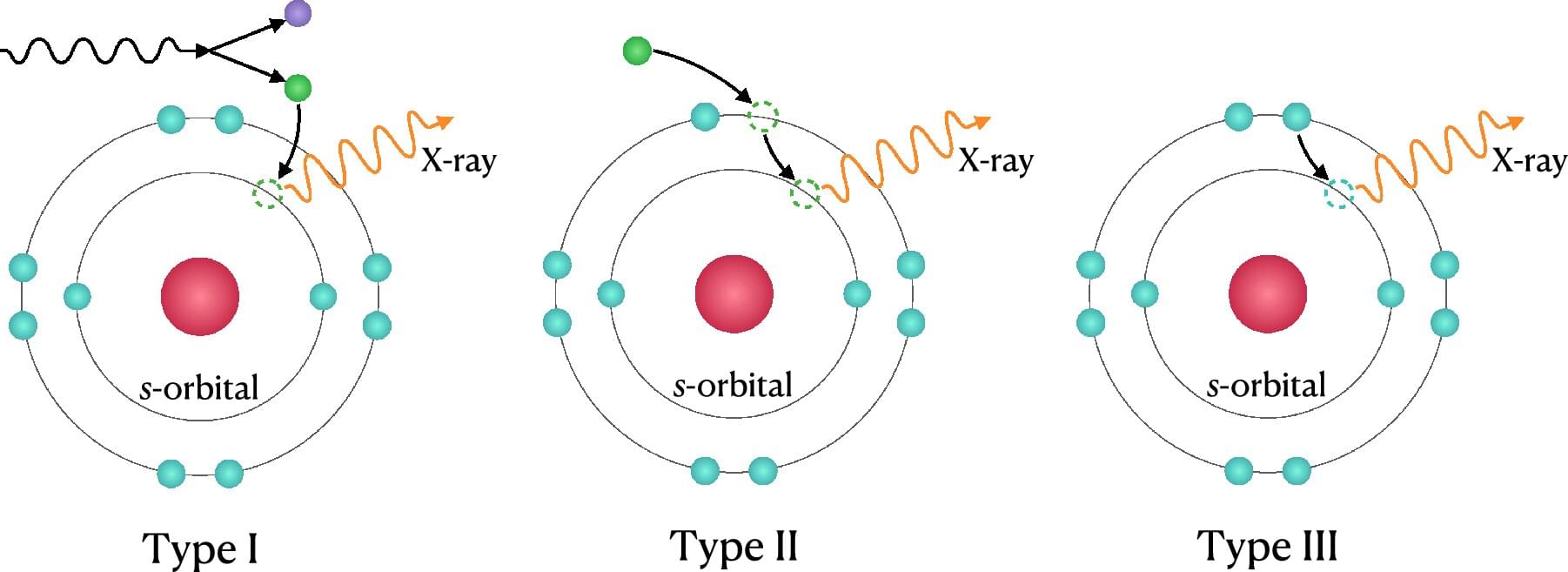
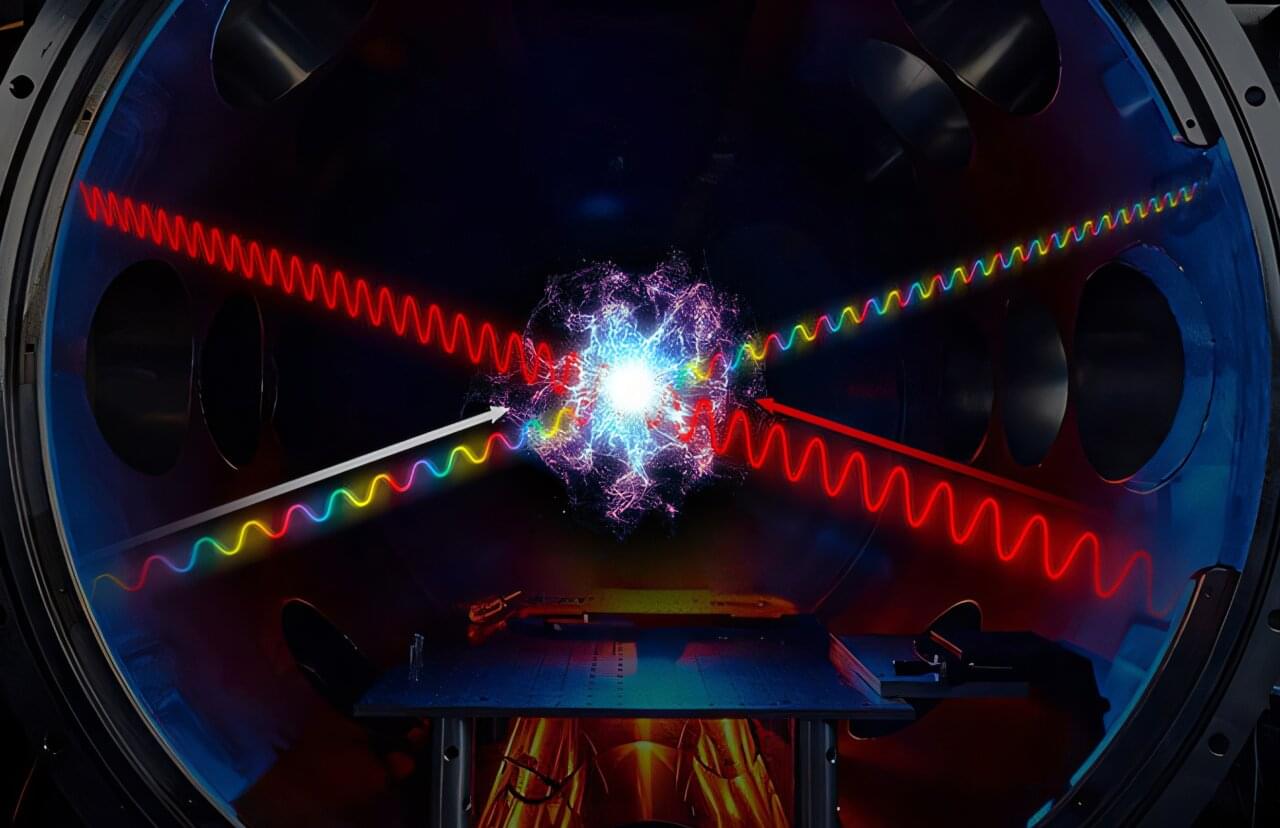
Now, researchers at the University of Chicago Pritzker School of Molecular Engineering (UChicago PME) and collaborators at the Abdus Salam International Center for Theoretical Physics (ICTP) have used quantum mechanical simulations to reveal how tiny imperfections in ice’s crystal structure dramatically alter how ice absorbs and emits light. The findings, published in Proceedings of the National Academy of Sciences, pave the way for scientists to better understand what happens at a sub-atomic scale when ice melts, which has implications including improving predictions of the release of greenhouse gases from thawing permafrost.

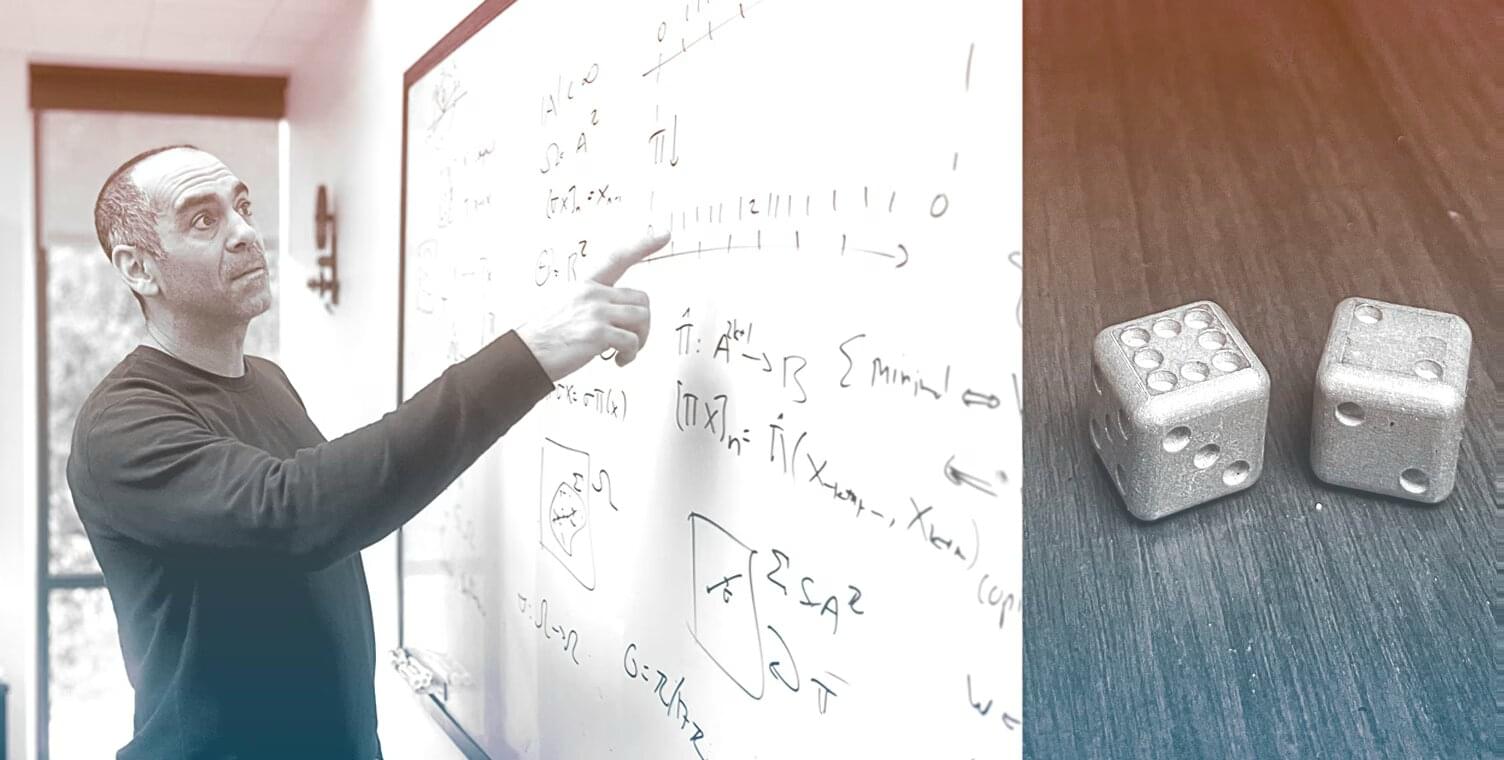
“No one has been able to model what happens when UV light hits ice with this level of accuracy before,” said Giulia Galli, Liew Family Professor of Molecular Engineering and one of the senior authors of the new work. “Our paper provides an important starting point to understand the interaction of light with ice.”

New green homes in the UK put less strain on the grid than models predicted

A study of some of the first net-zero-ready homes in the UK has found that their peak grid power demand is far lower than planners had anticipated. The research confirms that these all-electric homes can significantly cut energy use and emissions.

Buildings account for around 37% of global energy-related emissions, with residential properties making up approximately 17% of that total. In 2019, the UK government set an ambitious target to achieve net-zero greenhouse gas emissions by 2050. To help meet it, the Future Homes Standard requires all new homes built from 2025 to cut their by 75% to 80%.

Fully electric homes use technologies like air-source heat pumps (ASHPs) for heating (by extracting heat from outdoor air) and solar PV panels for electricity generation. But the big question has been whether they work as promised and achieve their energy efficiency goals in the real world.

Shrinking materials hold big potential for smart devices, researchers say

Wearable electronics could be more wearable, according to a research team at Penn State. The researchers have developed a scalable, versatile approach to designing and fabricating wireless, internet-enabled electronic systems that can better adapt to 3D surfaces, like the human body or common household items, paving the path for more precise health monitoring or household automation, such as a smart recliner that can monitor and correct poor sitting habits to improve circulation and prevent long-term problems.

The method, detailed in Science Advances, involves printing liquid metal patterns onto heat-shrinkable polymer substrates—otherwise known as the common childhood craft “Shrinky Dinks.” According to team lead Huanyu “Larry” Cheng, James L. Henderson, Jr. Memorial Associate Professor of Engineering Science and Mechanics in the College of Engineering, the potentially low-cost way to create customizable, shape-conforming electronics that can connect to the internet could make the broad applications of such devices more accessible.

“We see significant potential for this approach in biomedical uses or wearable technologies,” Cheng said, noting that the field is projected to reach $186.14 billion by 2030. “However, one significant barrier for the sector is finding a way to manufacture an easy-to-customize device that can be applied to freestanding, freeform surfaces and communicate wirelessly. Our method solves that.”

MIT engineers fly first-ever plane with no moving parts

Year 2018 face_with_colon_three resharing face_with_colon_three


Since the first airplane took flight over 100 years ago, virtually every aircraft in the sky has flown with the help of moving parts such as propellers, turbine blades, or fans that produce a persistent, whining buzz.

Now MIT engineers have built and flown the first-ever plane with no moving parts. Instead of propellers or turbines, the light aircraft is powered by an “ionic wind” — a silent but mighty flow of ions that is produced aboard the plane, and that generates enough thrust to propel the plane over a sustained, steady flight.

Unlike turbine-powered planes, the aircraft does not depend on fossil fuels to fly. And unlike propeller-driven drones, the new design is completely silent.

“Dawn Of A New Era”: A US Nuclear Company Becomes First Ever Startup To Achieve Cold Criticality

“President Trump asked industry and the labs to make nuclear great again. We got together and decided to start with the basics of fission. This team delivered incredible results safely so we can keep moving up the technical ladder,” commented Max Ukropina, Head of Projects at Valar Atomics.

“America should be thrilled, but wanting more,” he added.

Two-step flash Joule heating method recovers lithium‑ion battery materials quickly and cleanly

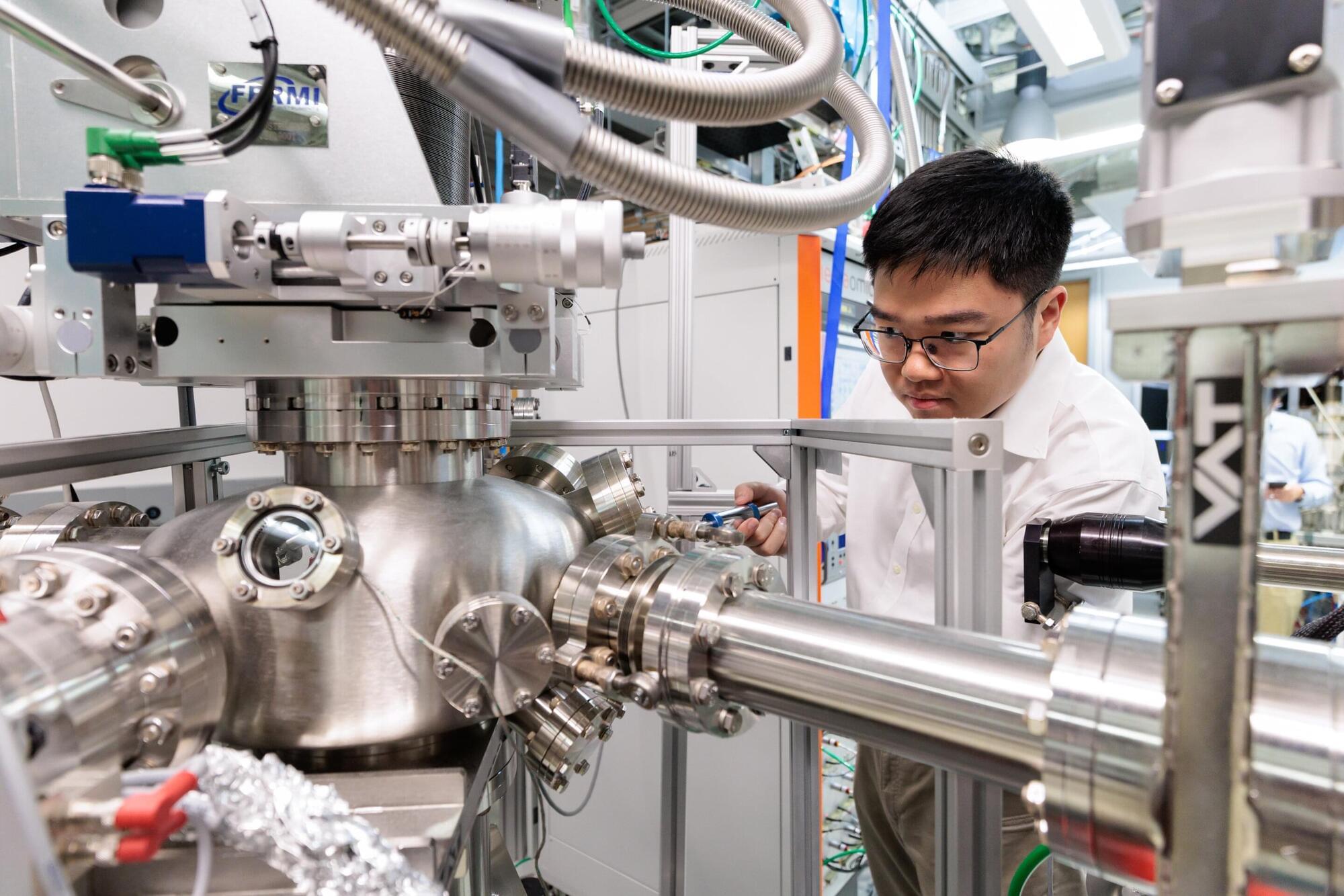
A research team at Rice University led by James Tour has developed a two-step flash Joule heating-chlorination and oxidation (FJH-ClO) process that rapidly separates lithium and transition metals from spent lithium-ion batteries. The method provides an acid-free, energy-saving alternative to conventional recycling techniques, a breakthrough that aligns with the surging global demand for batteries used in electric vehicles and portable electronics.

Published in Advanced Materials, this research could transform the recovery of critical battery materials. Traditional recycling methods are often energy intensive, generate wastewater and frequently require harsh chemicals. In contrast, the FJH-ClO process achieves high yields and purity of lithium, cobalt and graphite while reducing energy consumption, chemical usage and costs.

“We designed the FJH-ClO process to challenge the notion that battery recycling must rely on acid leaching,” said Tour, the T.T. and W.F. Chao Professor of Chemistry and professor of materials science and nanoengineering. “FJH-ClO is a fast, precise way to extract valuable materials without damaging them or harming the environment.”

Eve Poole on Robot Souls, Junk Code and the Future of AI

Are we building AI that enhances humanity or a master race of beautifully optimized psychopaths?

My latest Singularity. FM conversation with Dr. Eve Poole goes straight to the nerve:

What makes us human, and what happens when we leave that out of our machines?

Eve argues that the very things Silicon Valley dismisses as “junk code”—our emotions, intuition, uncertainty, meaning-making, story, conscience, even our mistakes—aren’t flaws in our design. They’re the *reason* our species survived. And we’re coding almost none of it into AI.

The result? Systems with immense intelligence but no soul, no context, no humanity—and therefore, no reason to value us.

In this wide-ranging conversation, we dig into:

🔹 Why the real hallmarks of humanity aren’t IQ but junk code 🔹 Consciousness, soul, and the limits of rationalist AI thinking 🔹 Theology, capitalism & tech: how we ended up copying the wrong parts of ourselves 🔹 Why “alignment” is really a parenting challenge, not a control problem 🔹 What Tolkien, u-catastrophe, and ancient stories can teach us about surviving the future 🔹 Why programming in humanity isn’t for AI’s sake—it’s for ours.

Ultra-strong, lightweight metal composite can withstand extreme heat

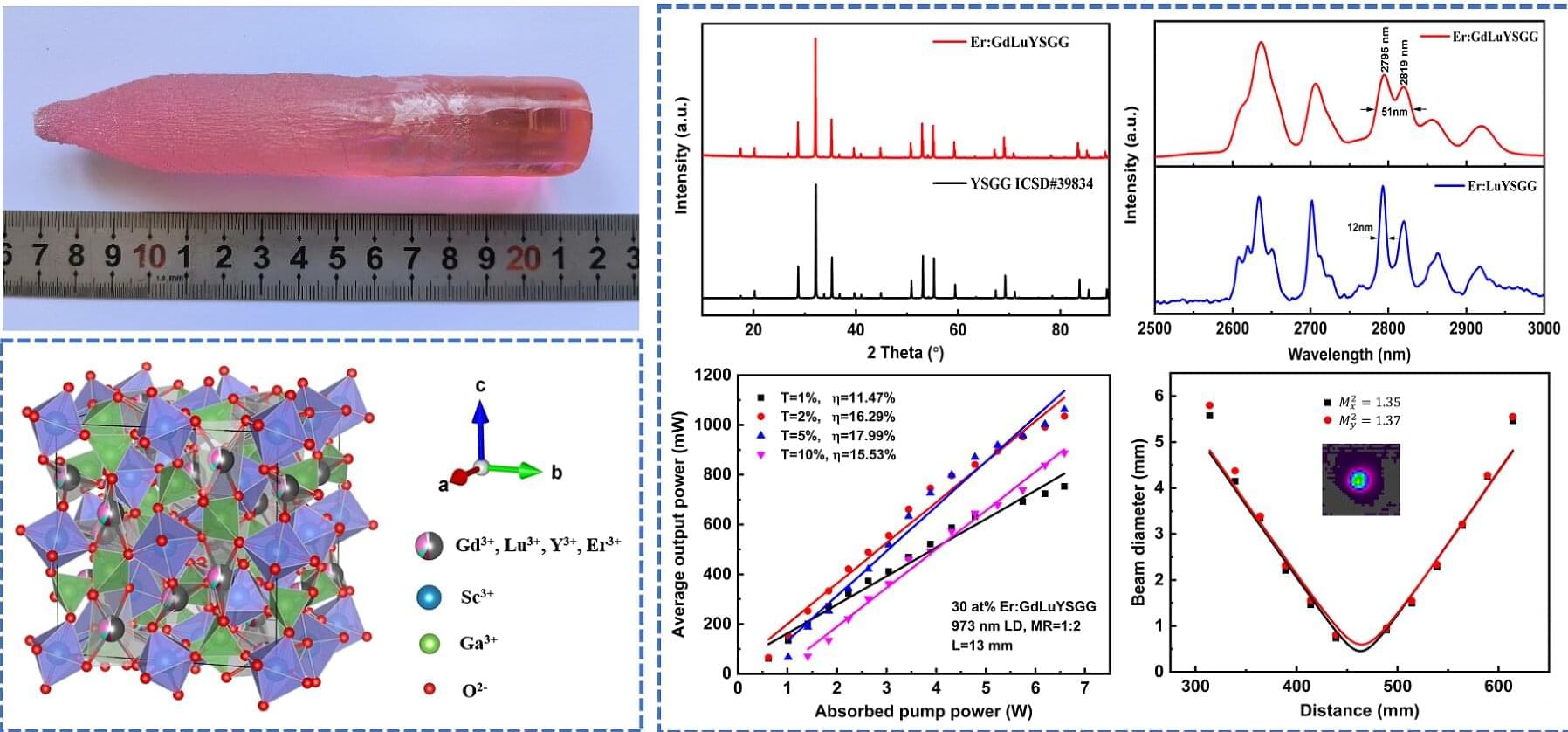
University of Toronto researchers have designed a new composite material that is both very light and extremely strong—even at temperatures up to 500 Celsius.

The material, which is described in a paper published in Nature Communications, is made of various metallic alloys and nanoscale precipitates, and has a structure that mimics that of reinforced concrete—but on a microscopic scale.

These properties could make it extremely useful in aerospace and other high-performance industries.

/* */