Toggle light / dark theme

Get the latest international news and world events from around the world.

Log in for authorized contributors

Intravascular immune surveillance against viremia requires spatiotemporal coordination between Kupffer cells and ILC1s

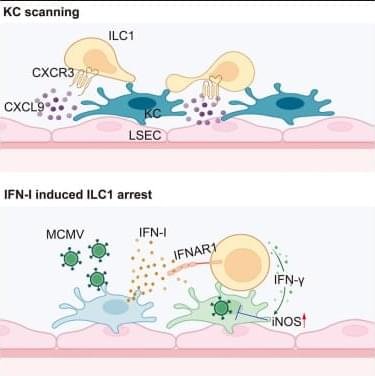
Zhang et al. reveal that hepatic ILC1s rapidly transition from intravascular patrolling to motility arrest upon encountering infected Kupffer cells (KCs) during viremia. This behavioral switch, driven by cell intrinsic type I IFN signaling and coupled to ILC1 activation, fortifies the antiviral function of KCs to restrict systemic viral dissemination.

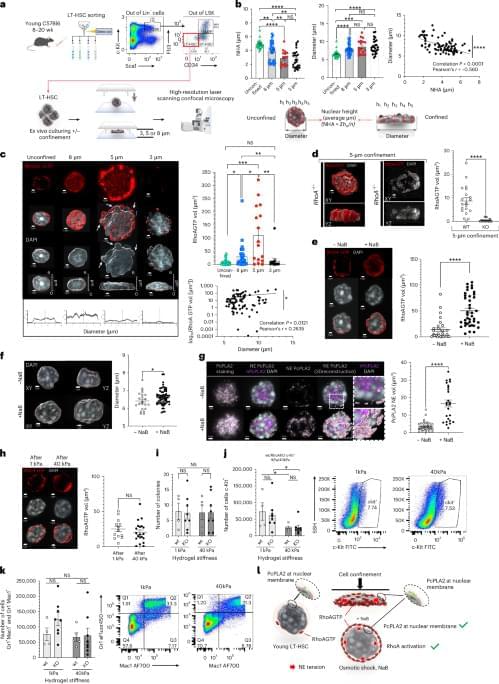
Targeting RhoA nuclear mechanoactivity rejuvenates aged hematopoietic stem cells

Mejía-Ramírez, Iáñez Picazo, Walter et al. explore how nuclear biomechanical changes limit the regenerative capacity of aged hematopoietic stem cells and show that targeting RhoA rejuvenates aged hematopoietic stem cells by reducing nuclear envelope tension and remodeling nuclear architecture.

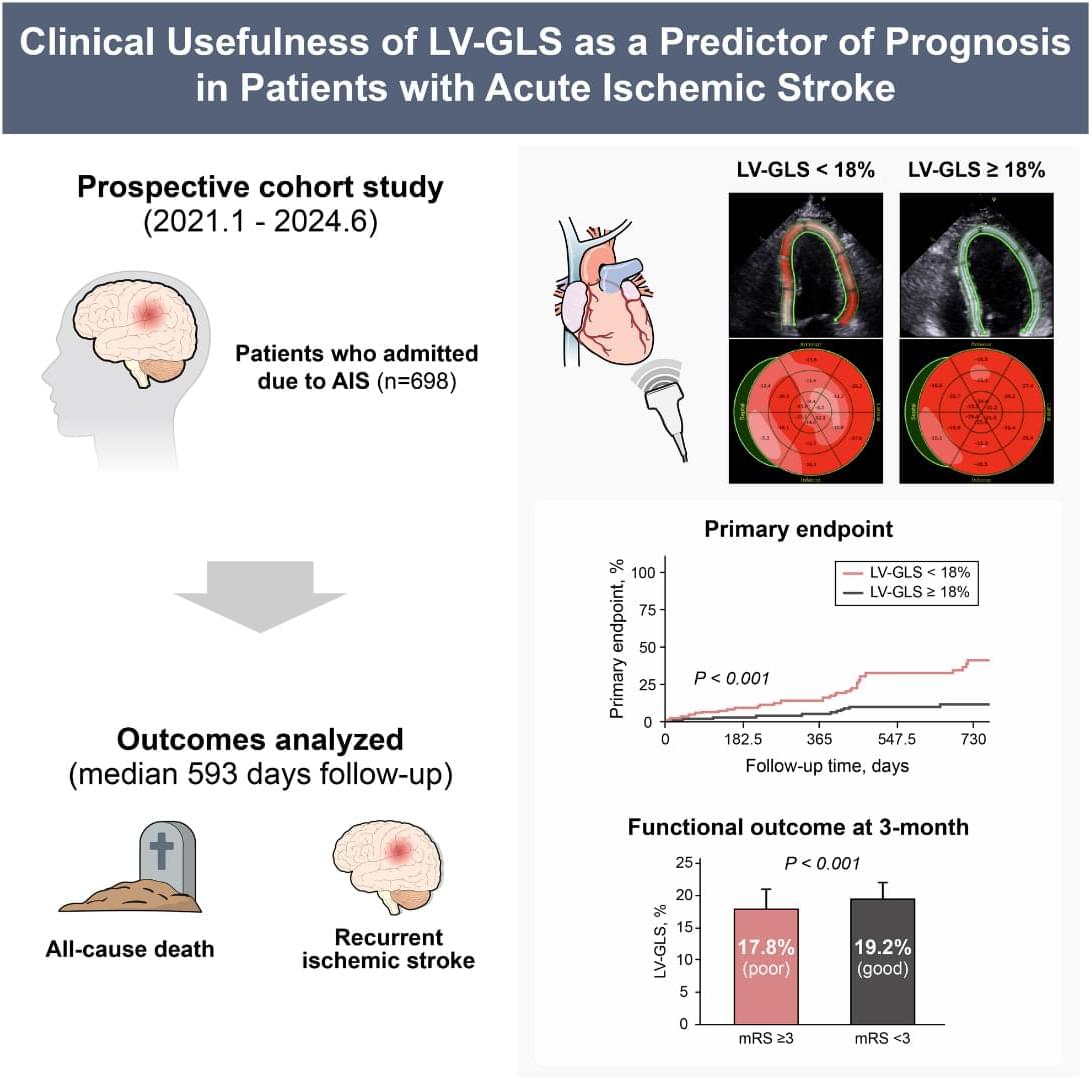
Clinical Usefulness of Left Ventricular Global Longitudinal Strain as a Predictor of Prognosis in Patients With Acute Ischemic Stroke (GLS‐STROKE Study)

LV‐GLS 18% predicts mortality, recurrent stroke, and poor mRS-based functional outcome after acute ischemic stroke. @Minkwan_Kim84


LV‐GLS Globally, stroke is the second‐leading cause of death and the third most common cause of combined death and disability.1 Over the past decade, stroke‐related death has been steadily declining; however, health care expenditures associated with stroke have continued to increase.1, 2 Recurrence of ischemic stroke adversely affects patient prognosis and increases the mortality rate.3 Previous studies have identified several clinical factors contributing to the occurrence and recurrence of ischemic stroke, including stroke subtype, age, hypertension, atrial fibrillation (AF), heart failure (HF), and diabetes.2, 4

HF is also a risk factor for stroke and is associated with stroke recurrence and death.5, 6 Left ventricular (LV) global longitudinal strain (LV‐GLS), a measure of myocardial deformation along the long axis of the left ventricle, is assessed using the speckle‐tracking method. It is a sensitive measure of myocardial fiber shortening and has become a reliable parameter for evaluating subtle systolic dysfunction.7 In patients with acute HF, LV‐GLS is frequently reduced regardless of the LV ejection fraction (LVEF), the traditional measure of LV systolic function. LV‐GLS has also been shown to be a superior prognostic marker for death than LVEF.8 Furthermore, in severe mitral regurgitation and severe aortic stenosis, LV‐GLS has proven useful as a predictor of postoperative outcomes and a tool for identifying patients who may benefit from early surgical intervention.9, 10 Recent research has demonstrated that LV‐GLS can effectively predict incident strokes in patients who are stroke naïve.11 However, to date, no study has evaluated the prognostic implications of LV‐GLS in patients with acute ischemic stroke (AIS) about subsequent cardiovascular outcomes. In this study, we aimed to investigate the prognostic utility of LV‐GLS, a novel marker of subclinical LV dysfunction, in patients with AIS.
The Universal Law Behind Market Price Swings

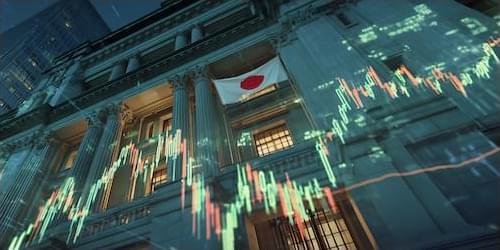
Analysis of a large dataset from the Tokyo Stock Exchange validates a universal power law relating the price of a traded stock to the traded volume.

One often hears that economics is fundamentally different from physics because human behavior is unpredictable and the economic world is constantly changing, making genuine “laws” impossible to establish. In this view, markets are never in a stable state where immutable laws could take hold. I beg to differ. The motion of particles is also unpredictable, and many physical systems operate far from equilibrium. Yet, as Phil Anderson argued in a seminal paper [1], universal laws can still emerge at the macroscale from the aggregation of widely diverse microscopic behaviors. Examples include not only crowds in stadiums or cars on highways but also economic agents in markets.

Now Yuki Sato and Kiyoshi Kanazawa of Kyoto University in Japan have provided compelling evidence that one such universal law governs financial markets. Using an unprecedentedly detailed dataset from the Tokyo Stock Exchange, they found that a single mathematical law describes how the price of every traded stock responds to trading volume [2] (Fig. 1). The result is a striking validation of physics-inspired approaches to social sciences, and it might have far-reaching implications for how we understand market dynamics.

Converting Spin Waves to Vibrational Waves

The demonstration of wave conversion may lead to spintronic technology that transmits fragile spin data as acoustic waves.

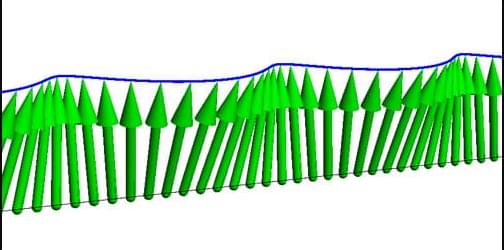
A branch of electronic device engineering called spintronics uses electron spins to store and transmit information. A research team has now opened up new possibilities for information processing with spins by showing how spin signals can be translated into acoustic signals (phonons) that can be transmitted through materials [1]. Phonons can travel undisturbed for longer distances, so this conversion might extend the capabilities of spintronics, much as the conversion of electrical pulses into light is used for long-distance telecommunication.

In a spin current, electrons that are preferentially aligned in one spin state can be thought of as remaining stationary while a wave of spin reorientation passes through the material. Spin currents are already used in devices such as specialized magnetic memories and other computing elements, in which information is encoded and transferred using the spins.

Newly engineered giant superatoms show promise for reliable quantum state transfer

Quantum technologies are systems that leverage quantum mechanical effects to perform computations, share information or perform other functions. These systems rely on quantum states, which need to be reliably transferred and protected against decoherence (i.e., a gradual loss of quantum information).

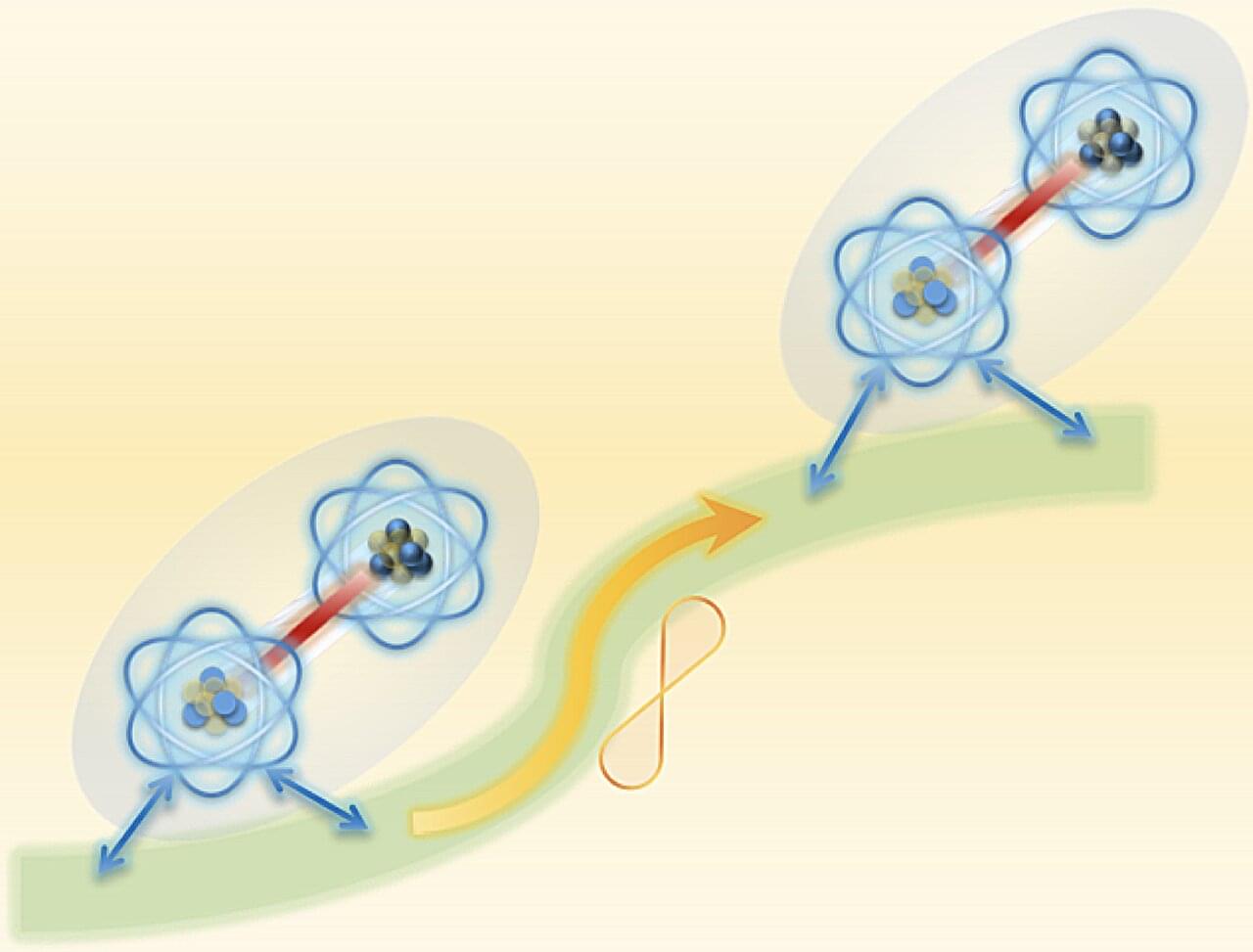
In recent years, quantum physicists and engineers have introduced so-called giant atoms, artificial structures that behave like enlarged atoms and could be used to develop quantum technologies. In a recent paper published in Physical Review Letters, researchers at Chalmers University of Technology built on this concept and introduced new carefully engineered giant ‘superatoms’ (GSAs), a new type of giant-atom-like structures that could generate entanglement and enable the reliable transfer of quantum states between different such devices.

“Over the past years, there has been growing interest in so-called ‘giant atoms,’ which are quantum emitters that couple to their environment at multiple, spatially separated points,” Lei Du, first author of the paper, told Phys.org.

Astronomers find planetary and stellar companions to two ultracool dwarfs in Taurus

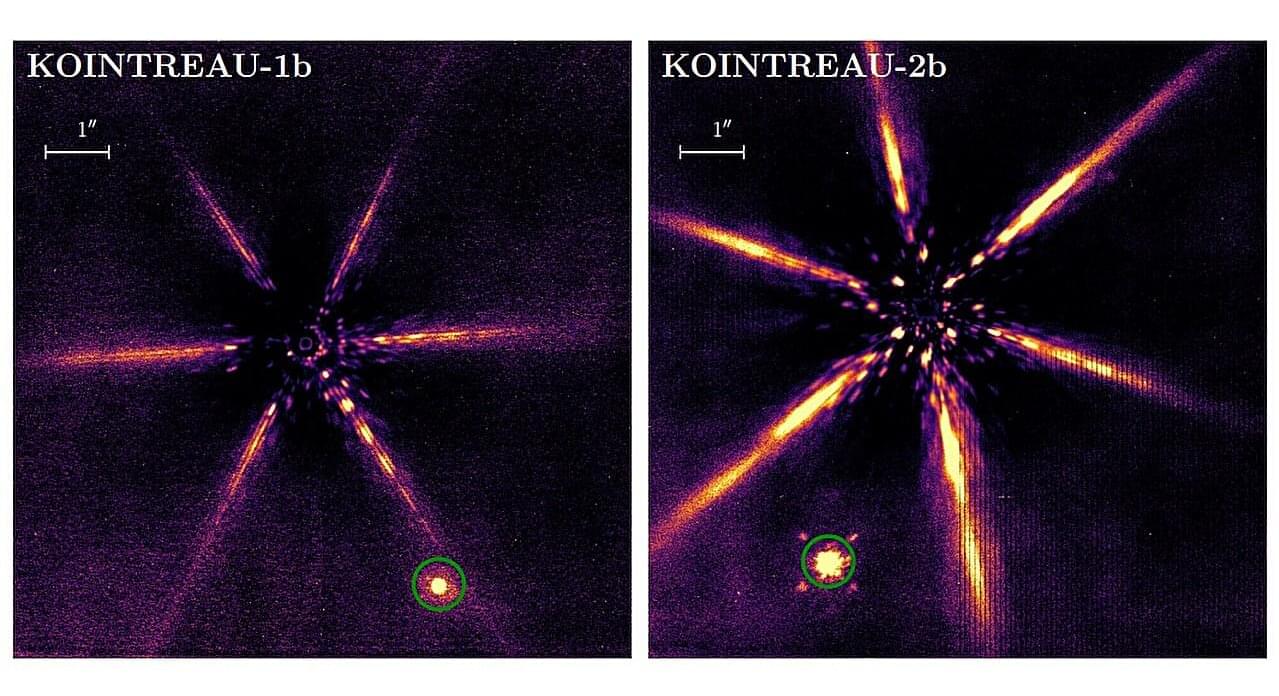
Astronomers from the University of Hawai’i (UH) at Manoa and elsewhere have observed the Taurus star-forming region, which resulted in the discovery of planetary-mass and stellar companions of two ultracool dwarf stars. The new finding was presented in a paper published December 4 on the pre-print server arXiv.

Taurus molecular cloud (TMC-1) is an interstellar molecular cloud hosting a stellar nursery, which contains hundreds of newly formed stars. Given that TMC-1 is located only 430 light years away from Earth, it is possibly the nearest large region of star formation.

The relatively young age of this region, estimated to be some 1–5 million years old, makes it an excellent window for astronomers into the earliest stages of wide-orbit planet and brown dwarf formation.

Climate whiplash by 2064: Study projects extreme swings in rainfall and drought for Asia

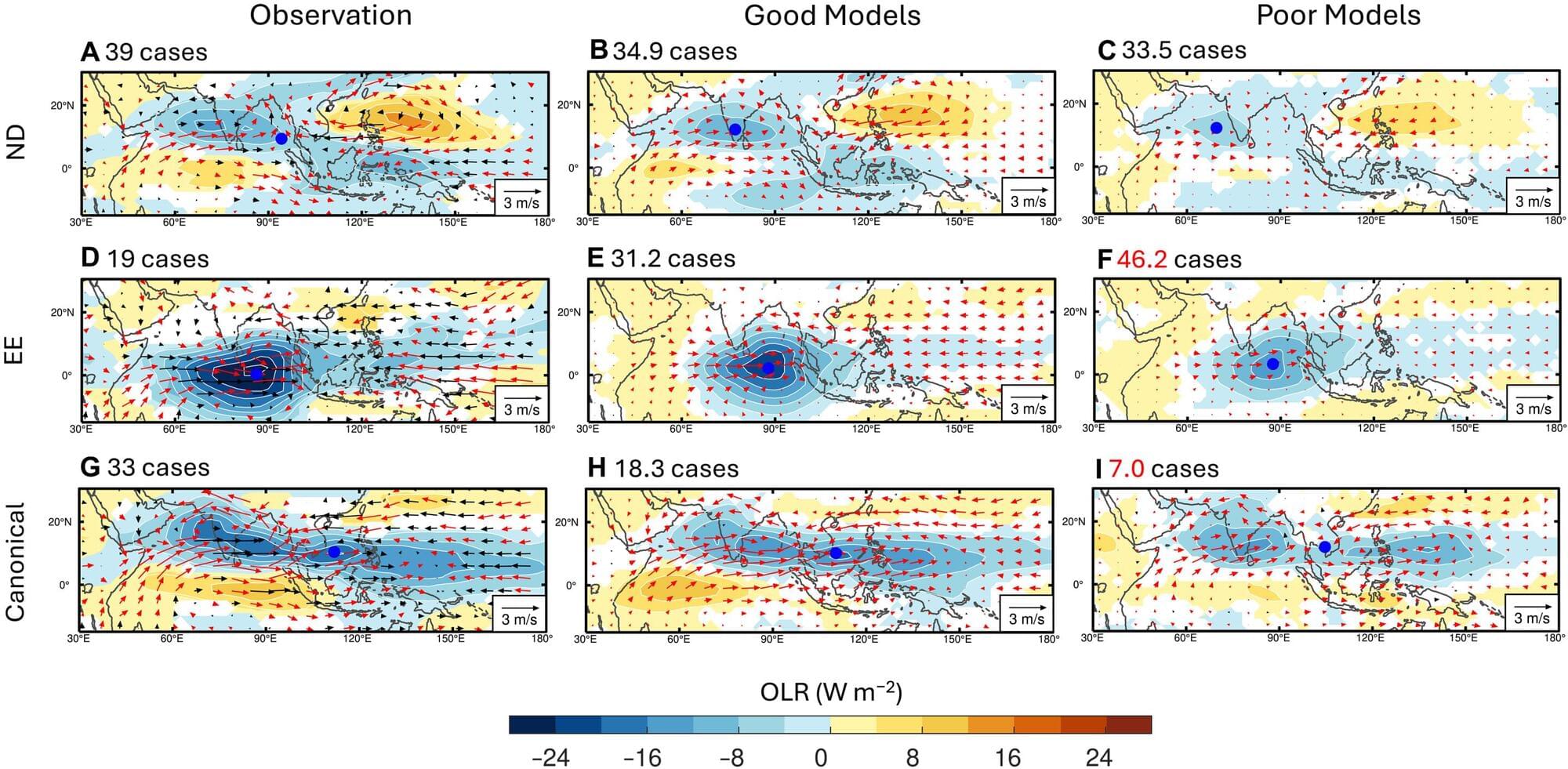
A climate study led by The Hong Kong University of Science and Technology (HKUST), in collaboration with an international research team, reveals that under a high-emission scenario, the Northern Hemisphere summer monsoons region will undergo extreme weather events starting in 2064. Asia and broader tropical regions will face frequent “subseasonal whiplash” events, characterized by extreme downpours and dry spells alternating every 30 to 90 days which trigger climate disruptions with catastrophic impacts on food production, water management, and clean energy systems.

Published in Science Advances under the title “Increased Global Subseasonal Whiplash by Future BSISO Behavior,” the research was co-led by Prof. Lu Mengqian, Director of the Otto Poon Center for Climate Resilience and Sustainability and Associate Professor of the Department of Civil and Environmental at HKUST and Dr. Cheng Tat-Fan, a postdoctoral fellow in the Department of Civil and Environmental Engineering at HKUST, alongside collaborators from the University of Hawaiʻi at Mānoa, Sun Yat-Sen University and Nanjing University of Information Science and Technology.

Integrative quantum chemistry method unlocks secrets of advanced materials

A new computational approach developed at the University of Chicago promises to shed light on some of the world’s most puzzling materials—from high-temperature superconductors to solar cell semiconductors—by uniting two long-divided scientific perspectives.

“For decades, chemists and physicists have used very different lenses to look at materials. What we’ve done now is create a rigorous way to bring those perspectives together,” said senior author Laura Gagliardi, Richard and Kathy Leventhal Professor in the Department of Chemistry and the Pritzker School of Molecular Engineering. “This gives us a new toolkit to understand and eventually design materials with extraordinary properties.”

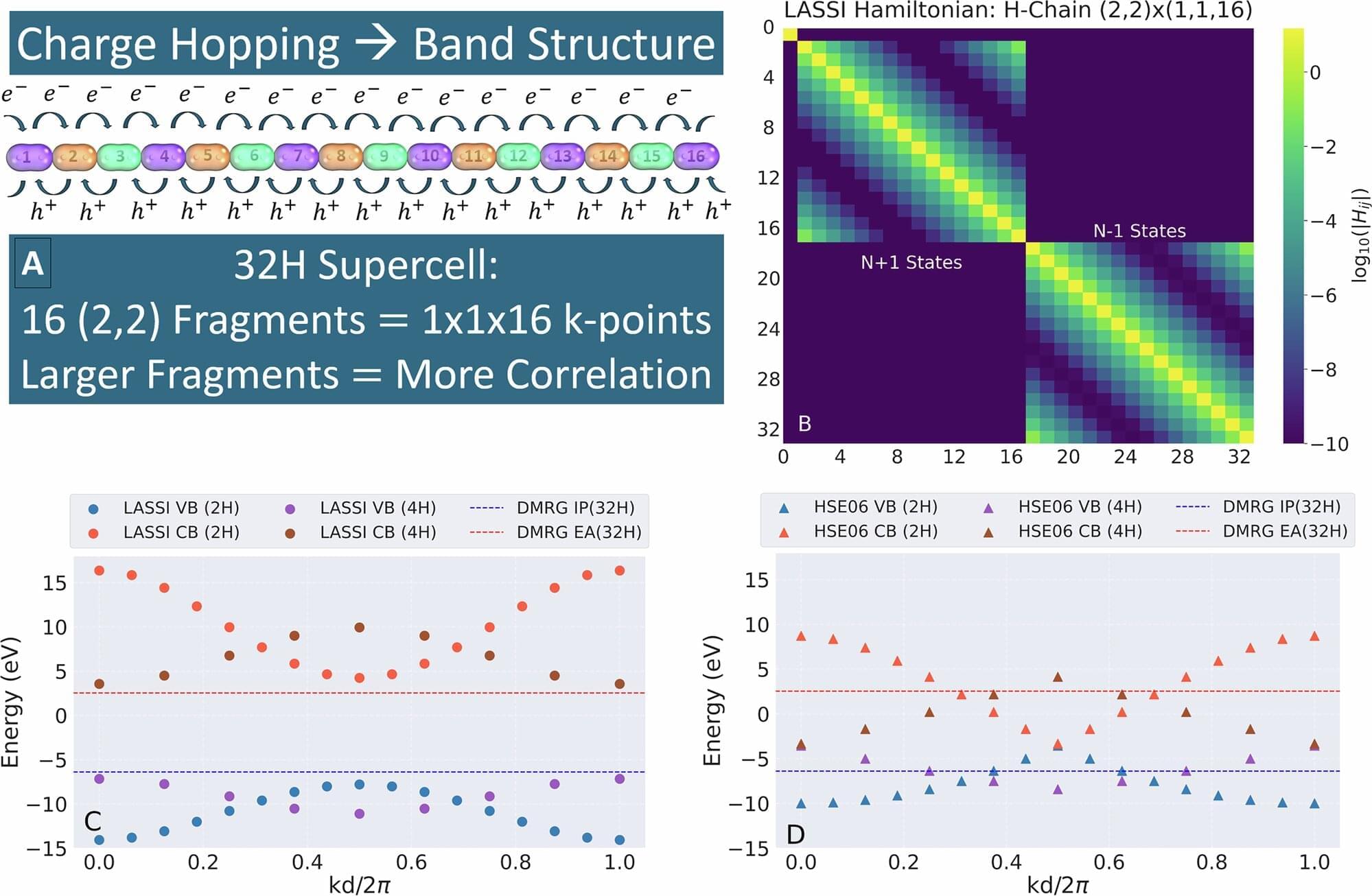
When it comes to solids, physicists usually think in terms of broad, repeating band structures, while chemists focus on the local behavior of electrons in specific molecules or fragments. But many important materials—such as organic semiconductors, metal–organic frameworks, and strongly correlated oxides—don’t fit neatly into either picture. In these materials, electrons are often thought of as hopping between repeating fragments rather than being distributed across the material.

2.8 days to disaster: Why we are running out of time in low earth orbit

A “House of Cards” is a wonderful English phrase that it seems is now primarily associated with a Netflix political drama. However, its original meaning is of a system that is fundamentally unstable. It’s also the term Sarah Thiele, originally a Ph.D. student at the University of British Columbia, and now at Princeton, and her co-authors used to describe our current satellite mega-constellation system in a new paper available in pre-print on arXiv.

They have plenty of justification for using that term. Calculations show that, across all low-Earth orbit mega-constellations, a “close approach,” defined as two satellites passing by each at less than 1km separation, occurs every 22 seconds. For Starlink alone, that number is once every 11 minutes. Another known metric of Starlink is that, on average, each of the thousands of satellites have to perform 41 maneuvers per year to avoid running into other objects in their orbit.

That might sound like an efficiently engineered system operating the way it should, but as any engineer will tell you, “edge cases”—the things that don’t happen in a typical environment, are the cause of most system failures. According to the paper, solar storms are one potential edge case for satellite mega-constellations. Typically, solar storms affect satellite operation in two ways.

/* */