Large doses of vitamin C may provide our lungs with a degree of protection from the harmful effects of fine particles in the air. Referred to as PM2.5, in reference to their micrometer-wide particle size, these pollutants have been linked to issues such as asthma and lung cancer.
Researchers led by a team from the University of Technology Sydney (UTS) conducted a series of experiments on male mice and lab-grown human tissues to test the effects of vitamin C on tissues exposed to fine particulate matter, finding that the vitamin protected against some of the core damage to cells that air pollution typically does to the lungs.
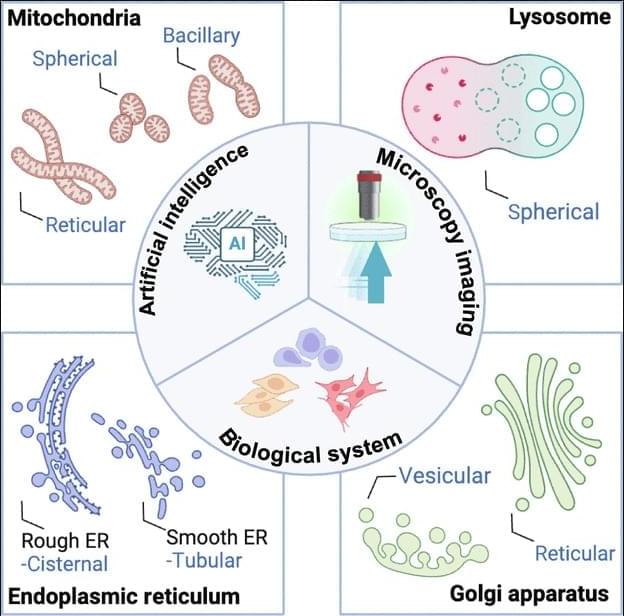
In particular, vitamin C reduced the loss of the cells’ mitochondrial ‘power stations’, reduced harmful inflammation, and prevented cells from being damaged by the effects of oxidative stress – attacks caused by unstable, reactive molecules that then lead to numerous malfunctions.