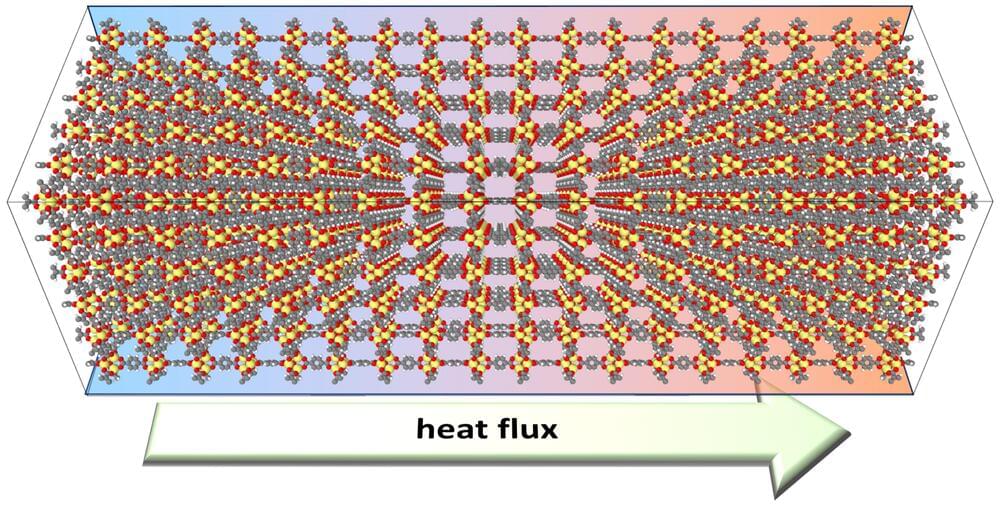
Hydrogen storage, heat conduction, gas storage, CO2 and water sequestration—metal-organic frameworks (MOFs) have extraordinary properties due to their unique structure in the form of microporous crystals, which have a very large surface area despite their small size. This makes them extremely interesting for research and practical applications. However, MOFs are very complex systems that have so far required a great deal of time and computing power to simulate accurately.
Get the latest international news and world events from around the world.
Can AI Learn Like Us? Unveiling the Secrets of Spiking Neural Networks
Recent MBZUAI Ph.D. graduate Hilal Mohammad Hilal AlQuabeh aims to raise the bar in AI by helping neural networks learn smarter.
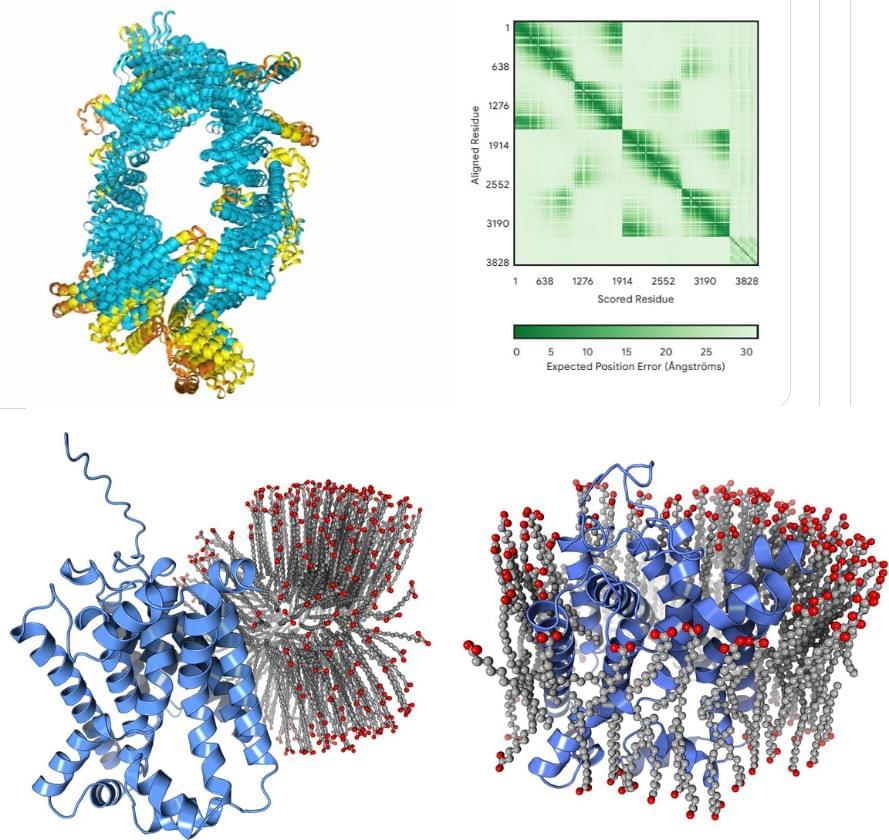
“Sparks of Chemical Intuition”—and Gross Limitations!—in AlphaFold 3
Observations after 3 weeks of DeepMind releasing its hitherto most advanced model for biomolecular structure prediction.

Calcium oxide’s quantum secret: nearly noiseless qubits
Calcium oxide is a cheap, chalky chemical compound commonly used in the manufacturing of cement, plaster, paper, and steel. But the material may soon have a more high-tech application.
UChicago Pritzker School of Molecular Engineering researchers and their collaborator in Sweden have used theoretical and computational approaches to discover how tiny, lone atoms of bismuth embedded within solid calcium oxide can act as qubits — the building blocks of quantum computers and quantum communication devices.
These qubits are described in Nature Communications (“Discovery of atomic clock-like spin defects in simple oxides from first principles”).

Better farming through nanotechnology
(Nanowerk News) Advanced technologies enable the controlled release of medicine to specific cells in the body. Scientists argue these same technologies must be applied to agriculture if growers are to meet increasing global food demands.
In a new Nature Nanotechnology journal review paper (“Towards realizing nano-enabled precision delivery in plants”), scientists from UC Riverside and Carnegie Mellon University highlight some of the best-known strategies for improving agriculture with nanotechnology.
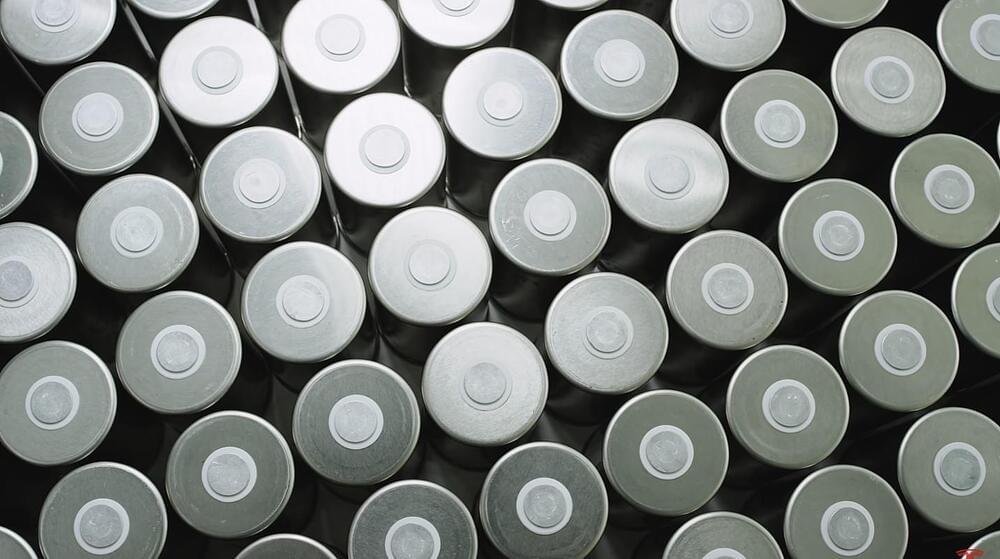
Tesla builds 50 million 4680 battery cells at Giga Texas
Tesla announced major progress in 4,680 battery cell production with a new milestone at Giga Texas.

Scientists Made a Quantum Leap in the Fifth State of Matter
And the implications are enormous.

This bold new theory of ‘quantum weirdness’ could rewrite the story of evolution
“… living systems evolve to exploit any aspect of physics that enables exploration of all possible ‘fitness landscapes’.”
Indeed!
In 1990, within the intellectual haven of Haverford College, I embarked on a transformative academic journey into biophysics – the captivating intersection of physics and biology.
It was during this time that I delved into the tantalising notion of quantum mechanics operating within living organisms.
Unbeknownst to me, this exploration would etch an enduring imprint on my scientific voyage, kindling a lifelong fascination with biophysics. Ultimately, I charted my research course in quantum cosmology, but the echoes of biophysics persisted.
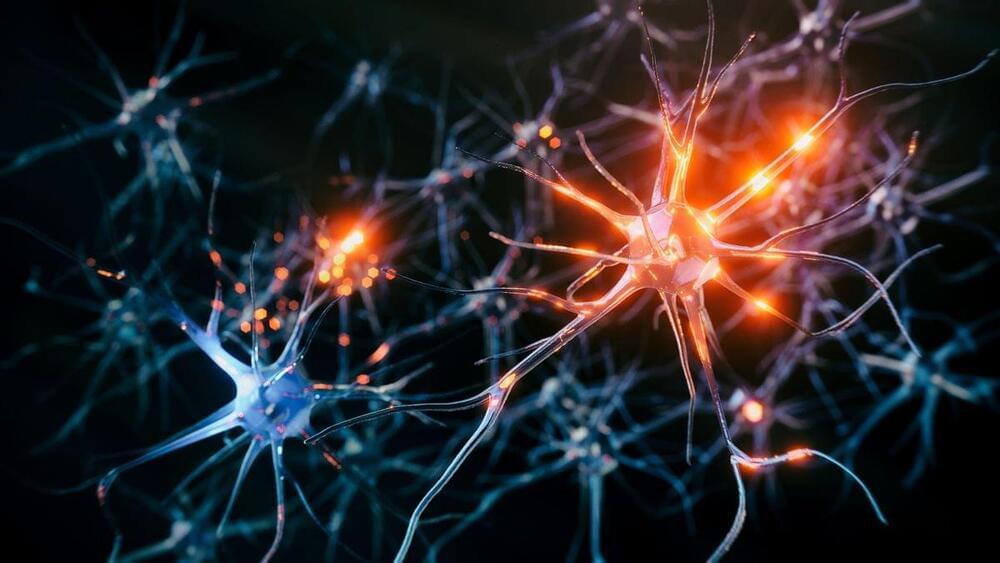
The brain can store nearly 10 times more data than previously thought, study confirms
Scientists harnessed a new method to precisely measure the amount of information the brain can store, and it could help advance our understanding of learning.