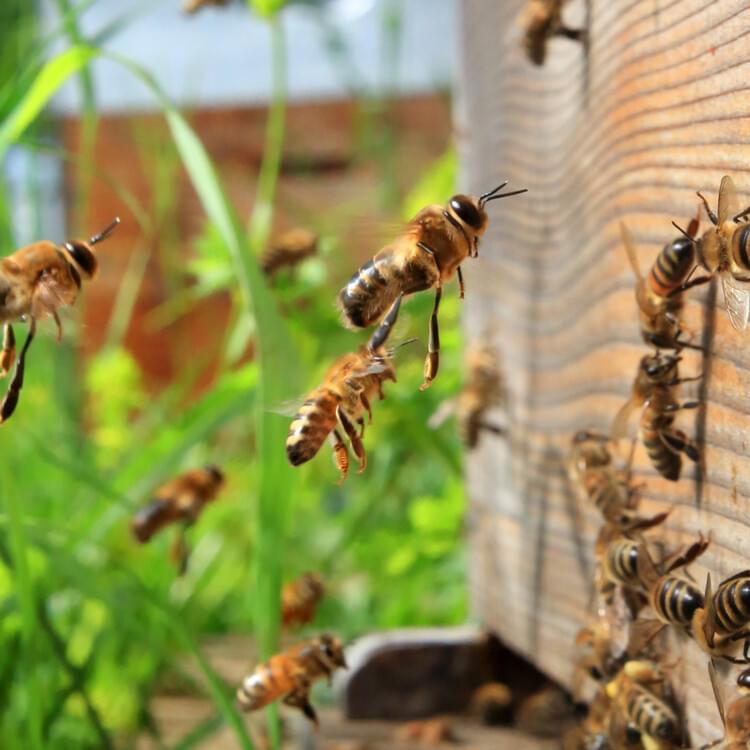
A single jar of honey can reveal more about our environment than we ever imagined, finds Graham Lawton.
Get the latest international news and world events from around the world.
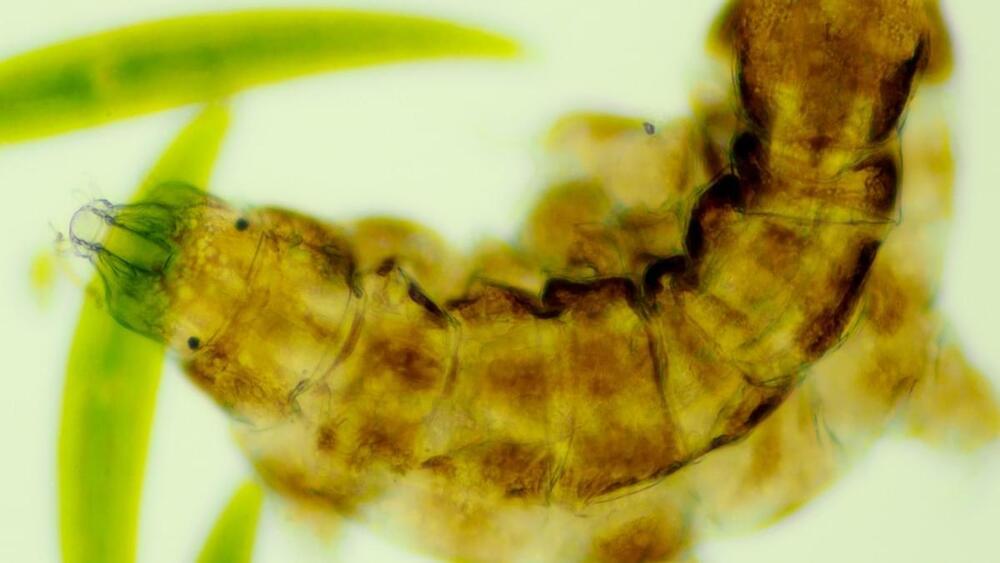
New fossils hint how tiny ‘water bears’ survived mass extinctions
The specimens provide insight into how tardigrades evolved cryptobiosis, a temporary and almost complete shutdown of bodily processes.

Pupil Dilation Reveals Better Working Memory
People whose eyes dilated more performed better on tests of working memory.
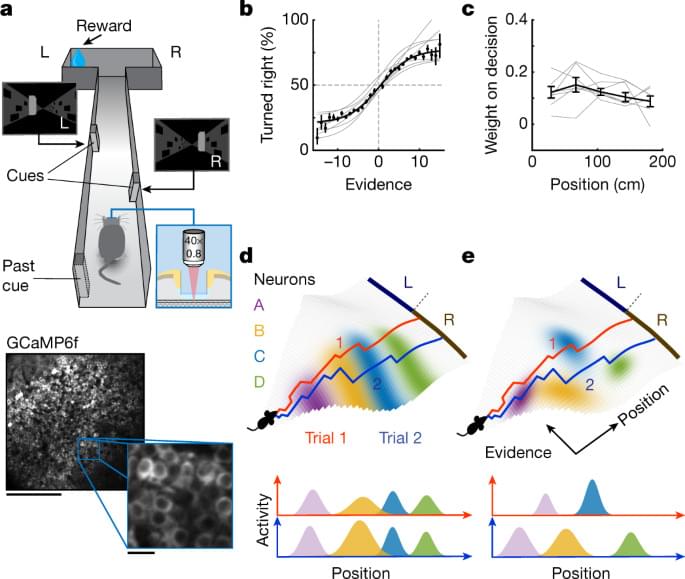
Geometry of abstract learned knowledge in the hippocampus
The hippocampus geometrically represents both physical location and abstract variables on a neural manifold in mice performing a decision-making task in virtual reality.

Faster than one pixel at a time—new imaging method for neutral atomic beam microscopes
Microscope images could be obtained much more quickly—rather than one pixel at a time—thanks to a new imaging method for neutral atomic beam microscopes developed by Swansea University researchers. It could ultimately lead to engineers and scientists getting faster results when they are scanning samples.

Large Hadron Collider pipe brings search for elusive magnetic monopole closer than ever
New research using a decommissioned section of the beam pipe from the Large Hadron Collider (LHC) at CERN has brought scientists closer than ever before to test whether magnetic monopoles exist.

Crashes, blackouts and climate tipping points: How can we tell when a system is close to the edge?
According to the infamous myth, groups of lemmings sometimes run off cliffs to their collective doom. Imagine you are one of these rodents: On a sunny day you join your companions in a joyous climb up a mountain beneath clear skies, traipsing across grass and dirt and rock, glad to be among friends, until suddenly you plunge through the brisk air and all goes black.
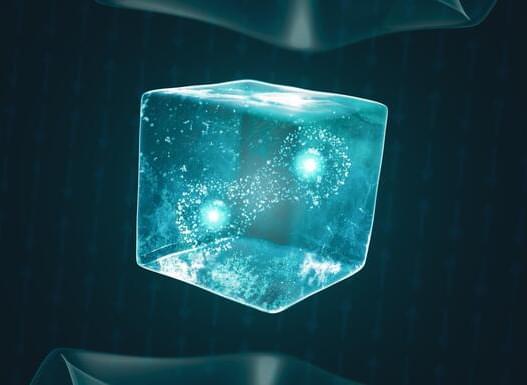
Researchers observe ‘locked’ electron pairs in a superconductor cuprate
For the past century since their discovery, superconductors and their mysterious atomic properties have left researchers in awe. These special materials allow electricity to flow through them without any energy loss. They even allow trains to levitate.
Physicists uncover new phenomena in fractional quantum Hall effects
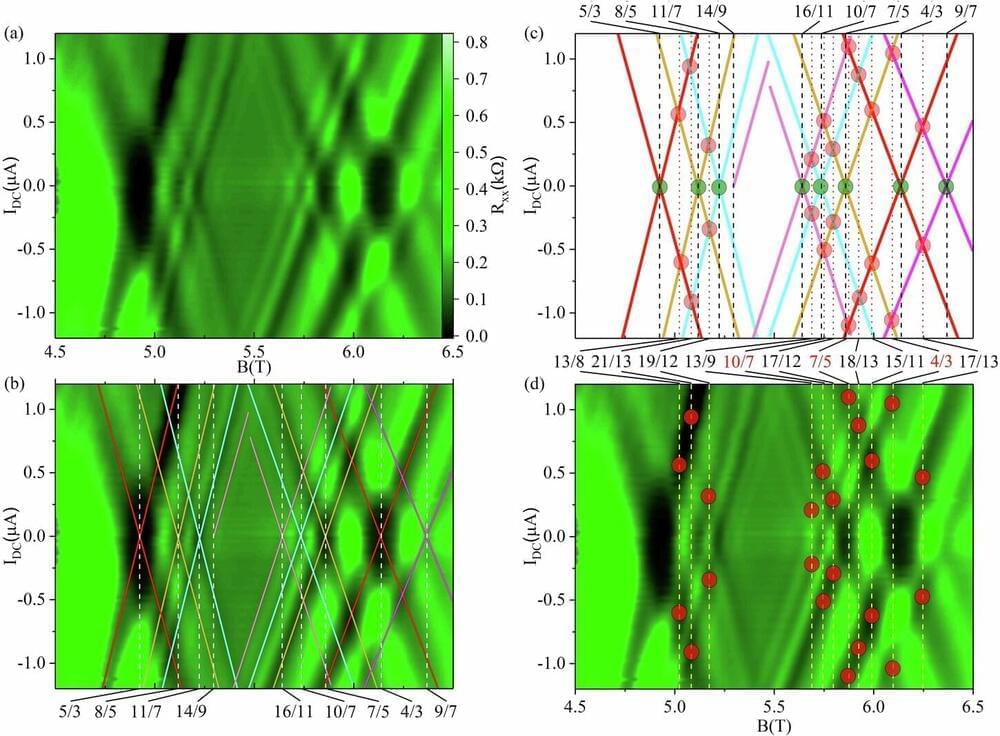
Imagine a two-dimensional flatland, instead of our three-dimensional world, where the rules of physics are turned on their head and particles like electrons defy expectations to reveal new secrets. That’s exactly what a team of researchers, including Georgia State University Professor of Physics Ramesh G. Mani and recent Ph.D. graduate U. Kushan Wijewardena, has been studying at Georgia State’s laboratories.
Theoretical research holds promise for advancing modular quantum information processing
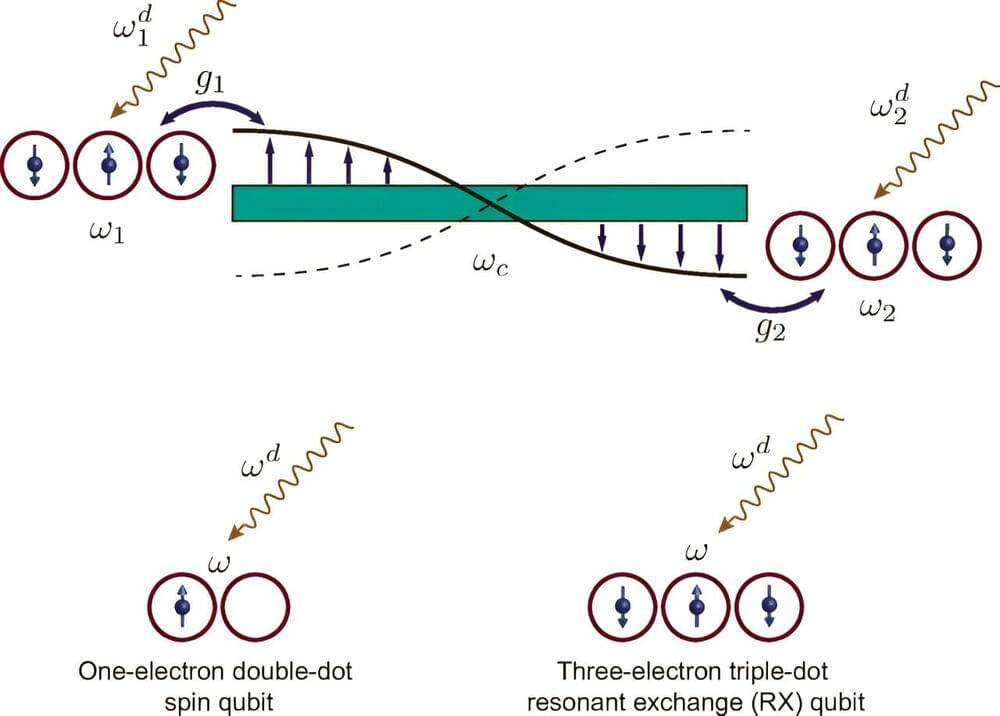
The operation of a quantum computer relies on encoding and processing information in the form of quantum bits—defined by two states of quantum systems such as electrons and photons. Unlike binary bits used in classical computers, quantum bits can exist in a combination of zero and one simultaneously—in principle allowing them to perform certain calculations exponentially faster than today’s largest supercomputers.