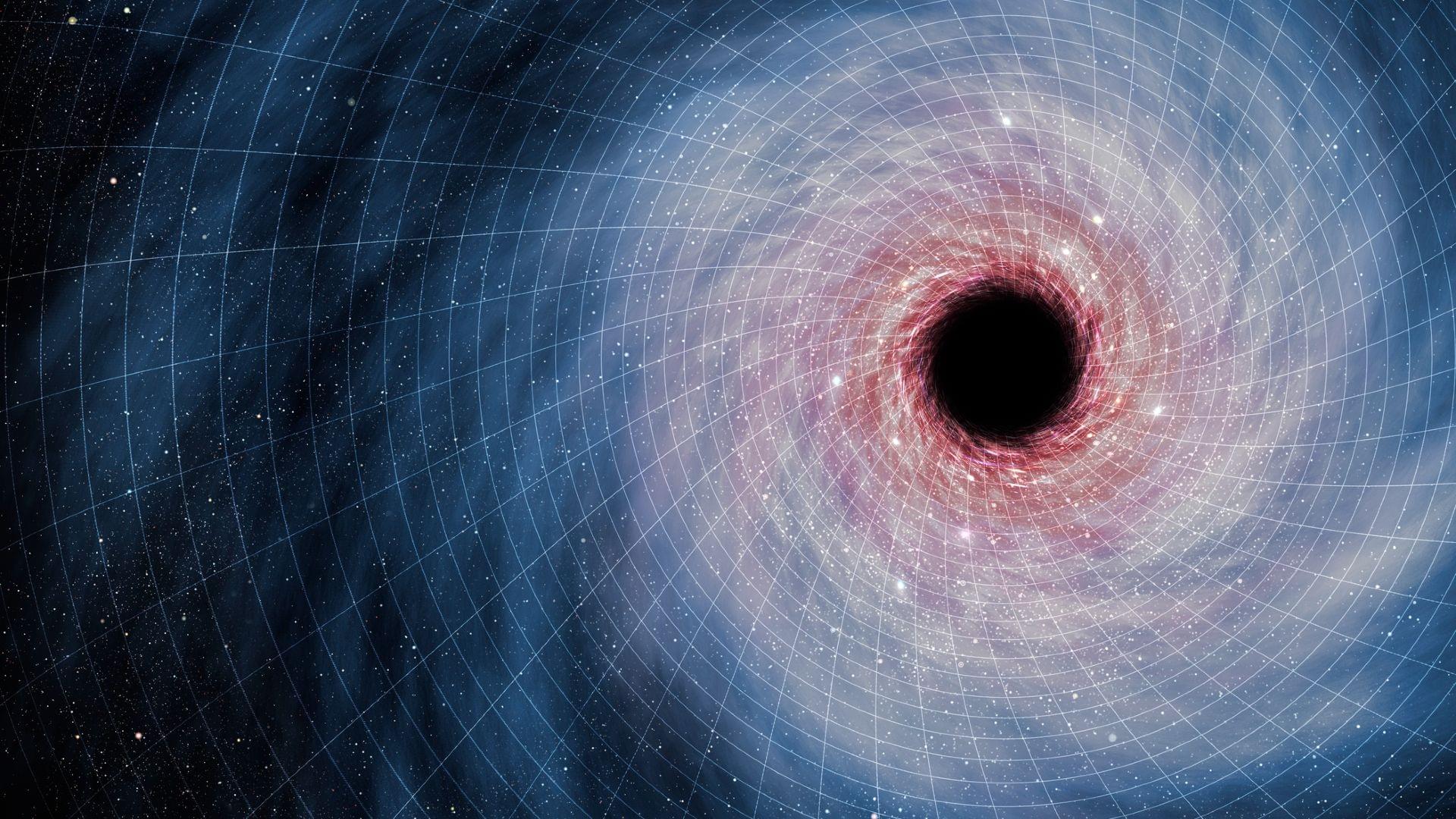
The new research explores a universe with more dimensions than the familiar four. In this framework, the cosmos contains seven dimensions, three of which are compact and invisible at everyday scales.
“We experience three dimensions of space and one of time — four dimensions in total,” Pinčák said. “Our model proposes that the universe actually has seven dimensions: the four we know, plus three tiny extra dimensions curled up so tightly that we cannot directly perceive them.”
These extra dimensions are arranged in a highly symmetrical structure known as a G₂ geometry. This mathematical framework, often explored in advanced theories such as a version of string theory known as M-theory, determines how the hidden dimensions are “folded.”