Toggle light / dark theme

Get the latest international news and world events from around the world.

Log in for authorized contributors

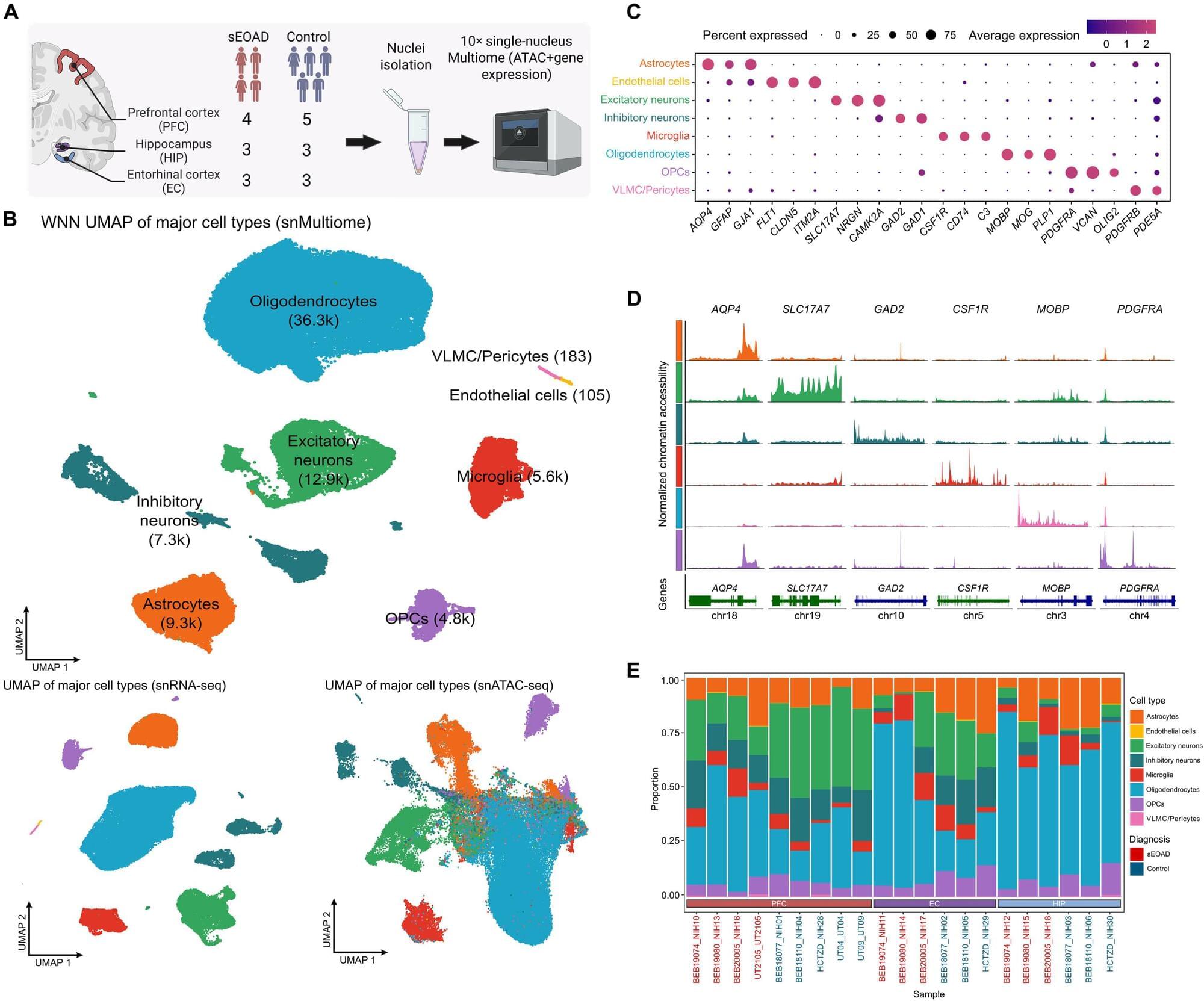
Mapping gene disruptions in sporadic early onset Alzheimer’s disease across key brain regions

A new study led by researchers at UTHealth Houston investigated both gene expression and regulation at single cell levels to reveal disruptions in gene function in three brain regions of patients with sporadic early onset Alzheimer’s disease.

The findings are published in Science Advances.

Only about 5% to 10% of patients with Alzheimer’s disease are younger than 65. Of those patients, 10% have mutations in the APP, PSEN1, and PSEN2 genes, which are associated with Alzheimer’s disease. The other 90% of these cases are classified as sporadic early onset Alzheimer’s, a rare and aggressive form of the disease that begins before age 65. The genetic tie in early onset Alzheimer’s is largely unidentified, representing a significant but understudied population.
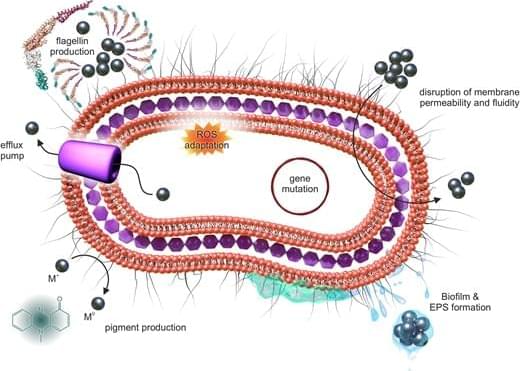
Emerging strategies of bacterial adaptation mechanisms to silver and metal oxide nanomaterials

How do bacteria adapt to antimicrobial nanomaterials? In this review, Suchánková et al. explain microbial adaptation strategies and offer insights for safer and more effective nano-antimicrobials. FEMSMicrobiolRev.


This review explores induced bacterial adaptation to antimicrobial nanomaterials, summarizing known mechanisms across nanomaterial types and bacterial spec.

Blood metabolite signature offers improved prediction of type 2 diabetes risk

Diabetes, a metabolic disease, is on the rise worldwide, and over 90% of cases are type 2 diabetes, where the body does not effectively respond to insulin.

Researchers from Mass General Brigham and Albert Einstein College of Medicine have identified metabolites (small molecules found in blood generated through metabolism) associated with the risk of developing type 2 diabetes in the future, and have revealed genetic and lifestyle factors that may influence these metabolites. They also developed a metabolomic signature that predicts future risk of type 2 diabetes beyond traditional risk factors.

Their results are published in Nature Medicine.

Combating Antimicrobial Resistance by Resensitising Bacteria to Antibiotics Using CRISPR: A Narrative Review

Background: Antimicrobial resistance (AMR) remains a formidable global health threat. Conventional strategy of developing new antibiotics is costly and unsustainable. Thus, innovative approaches for resensitising bacteria using clustered regularly inter-spaced short palindromic repeats (CRISPR) technology are sought.

Scientists create food powder from waste, increasing shelf life from two weeks to two years

Food waste could actually feed millions of people globally and also have an endless shelf life if we freeze dry it and turn it into powder. This way we can keep large quantities of food for a very long time rather than having to freeze it or pickle it which only last so long due to freezer burn and pickling doesn’t work for long periods of time which can turn to poison essentially if contaminated.


Three students from Lund University in Sweden have set up a business called Fopo (freeze dried food powder) buying expired fruit and vegetables and turning it into food powder to resell back into the F&B market.

One way brain ‘conductors’ find precise connection to target cells

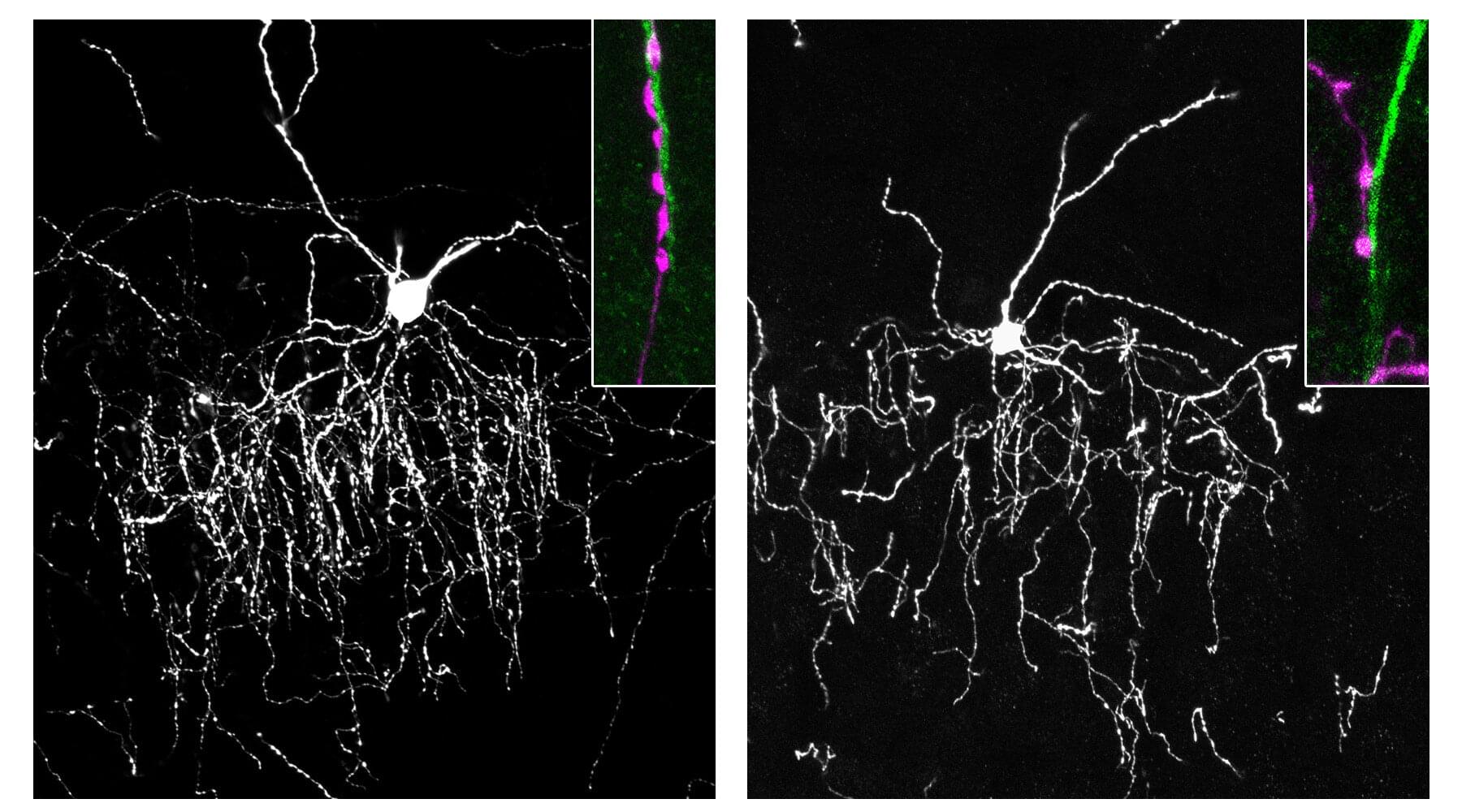
New research reveals how a class of neurons that help coordinate communication in the brain link up with their target cells, identifying two molecules that must be present before synapses, the structures that carry signals between these partners, can form on the target neurons.

These cells are inhibitory interneurons that connect to a specific location on target excitatory neurons, regulating information processing and maintaining proper balance in brain circuits by controlling how active the excitatory neurons become. Loss of coordination between these two types of cells, which leads to circuit malfunction, is associated with such disorders as epilepsy, depression, autism and schizophrenia.

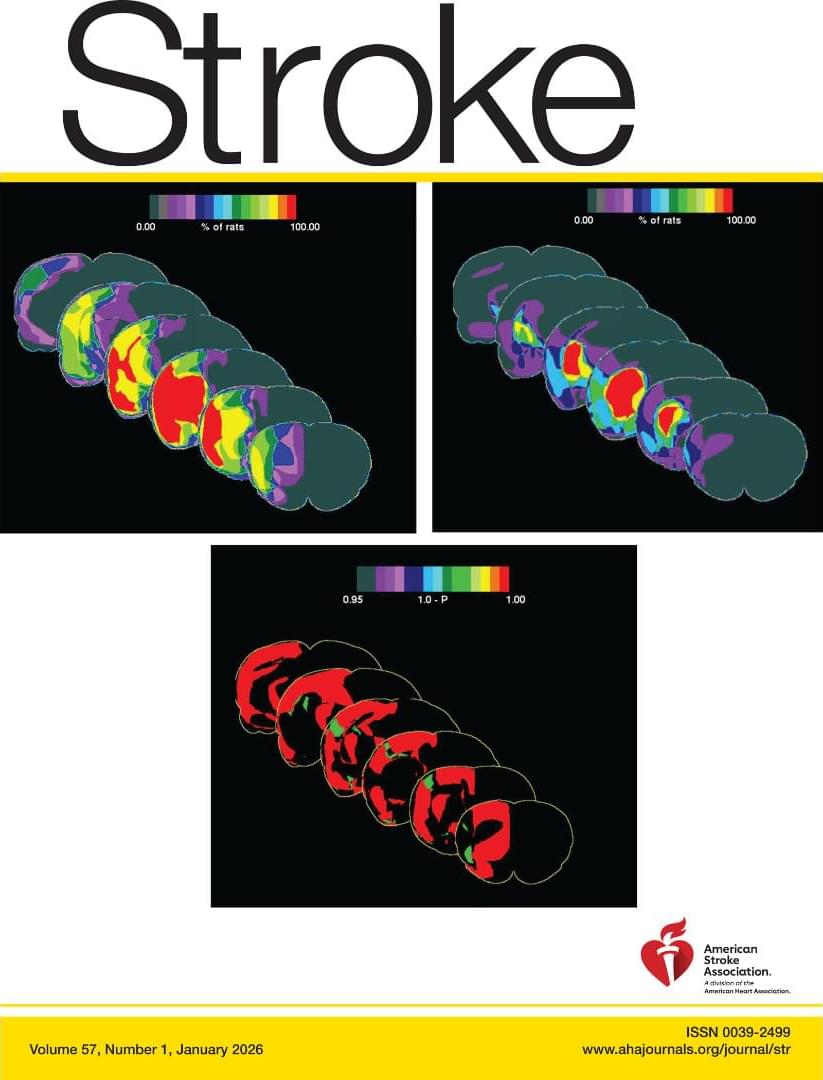
CT Perfusion Abnormality in Hypoglycemic Focal Neurological Deficits

Stroke Image highlights the interplay between hypoglycemia and perfusion abnormalities in a person with acute focal neurological deficits.


ELetters should relate to an article recently published in the journal and are not a forum for providing unpublished data. Comments are reviewed for appropriate use of tone and language. Comments are not peer-reviewed. Acceptable comments are posted to the journal website only. Comments are not published in an issue and are not indexed in PubMed. Comments should be no longer than 500 words and will only be posted online. References are limited to 10. Authors of the article cited in the comment will be invited to reply, as appropriate.

Comments and feedback on AHA/ASA Scientific Statements and Guidelines should be directed to the AHA/ASA Manuscript Oversight Committee via its Correspondence page.

Advancing Early Detection of Alzheimer Disease in the Primary Care Setting in the United States

Background and ObjectivesAs evidence supporting the robustness of blood-based biomarker (BBM) testing for Alzheimer disease (AD) continues to emerge, understanding the perceptions, drivers, and barriers to the adoption of these tests among primary care…

/* */