
Diving deep into the relationship between a concept’s frequency in the training dataset and the ability of a model to imitate it. We seek to determine the point at which a model was trained on enough instances to imitate a concept — the imitation threshold.
Get the latest international news and world events from around the world.
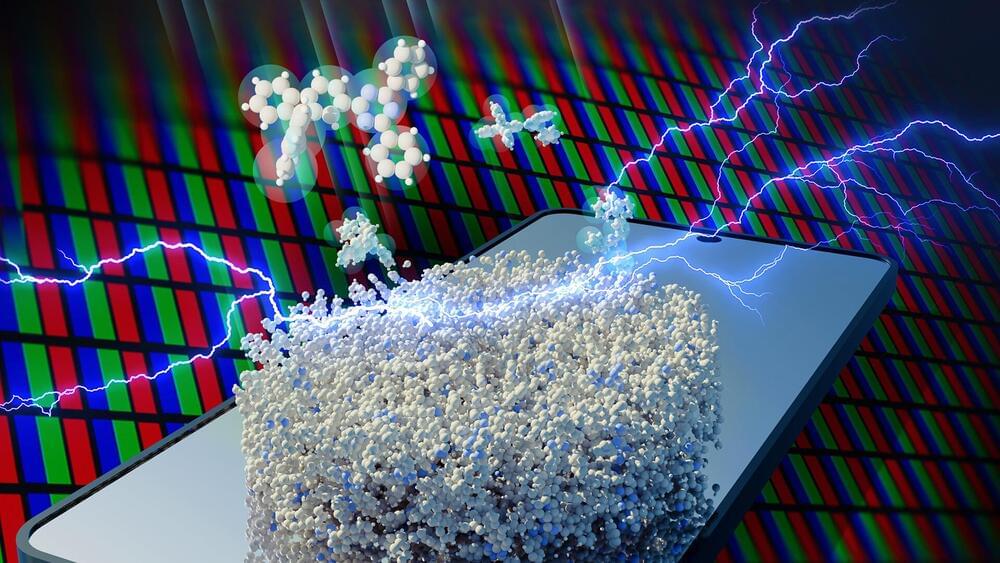
Layer by layer: How simulations help manufacturing of modern displays
Modern materials must be recyclable and sustainable. Consumer electronics is no exception, with organic light-emitting diodes (OLEDs) taking over modern televisions and portable device displays. However, the development of suitable materials—from the synthesis of molecules to the production of display components—is very time-consuming.
Scientists led by Denis Andrienko of the Max Planck Institute for Polymer Research and Falk May from Display Solutions at Merck have now developed a simulation method that could significantly speed up the development of new materials.
High contrast and low power consumption are key features of innovative organic light-emitting diodes. OLEDs use thin films of organic molecules, i.e. carbon-containing molecules, to achieve these goals.
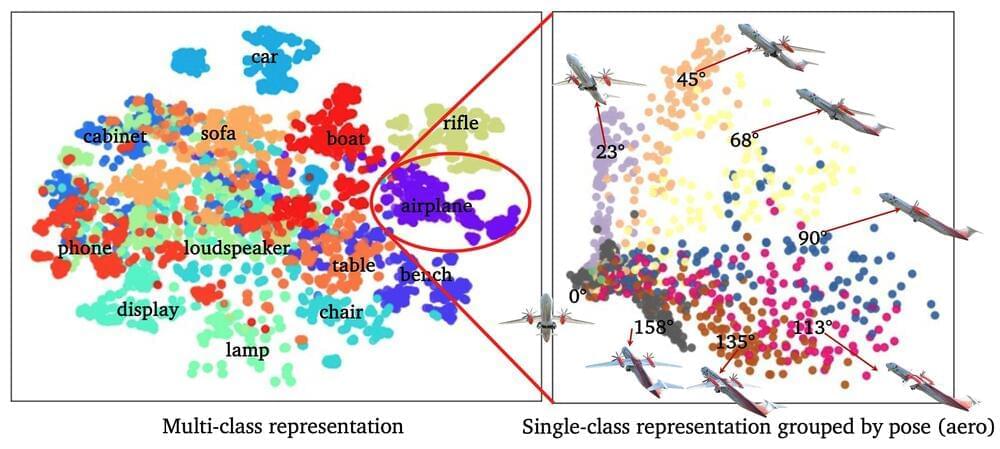
Helping machine learning models identify objects in any pose
A new visual recognition approach improved a machine learning technique’s ability to both identify an object and how it is oriented in space, according to a study presented in October at the European Conference on Computer Vision in Milan, Italy.
Self-supervised learning is a machine learning approach that trains on unlabeled data, extending generalizability to real-world data. While it excels at identifying objects, a task called semantic classification, it may struggle to recognize objects in new poses.
This weakness quickly becomes a problem in situations like autonomous vehicle navigation, where an algorithm must assess whether an approaching car is a head-on collision threat or side-oriented and just passing by.
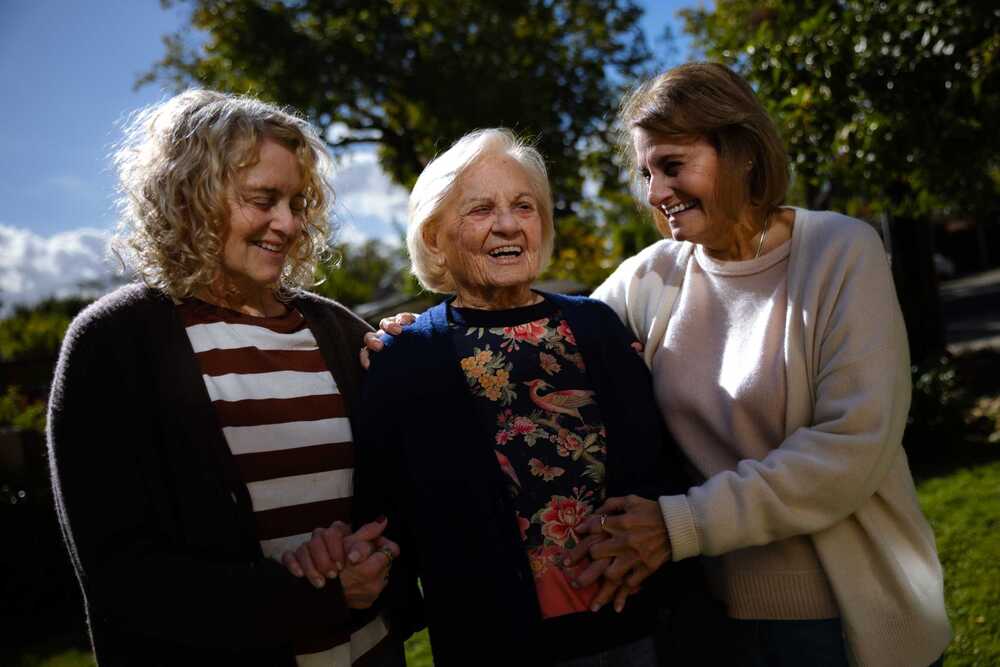
The secret to healthy aging? Scientists say these ‘superagers’ may hold answer
Scientists are studying the genes of “superagers” in hopes of identifying targets for therapies and treatments to help people live longer, healthier lives.
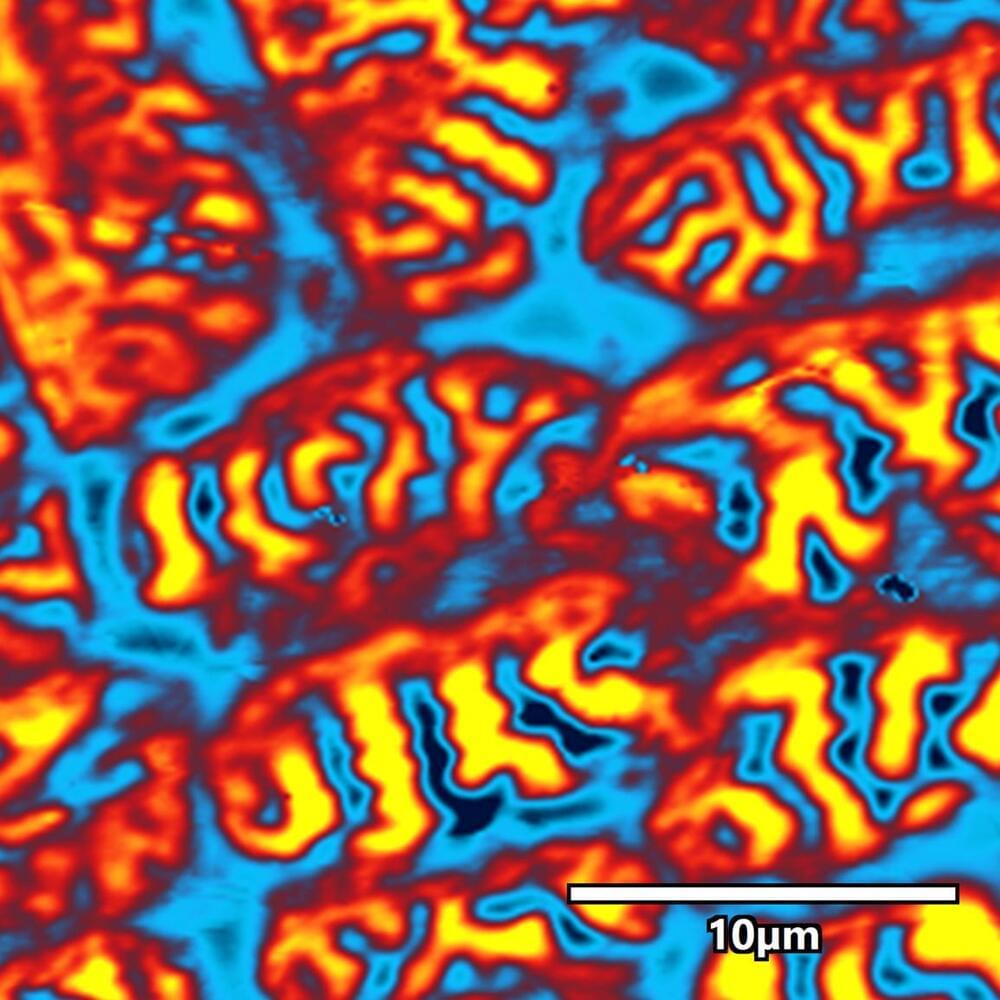
ORNL researchers translate foundational uranium science into active nonproliferation solutions
Through its commitment to international nuclear nonproliferation — a mission focused on limiting the spread of nuclear weapons and sensitive technology while working to promote peaceful use of nuclear science and technology — the United States maintains a constant vigilance aimed at reducing the threat of nuclear and radiological terrorism worldwide.
With extensive research into both basic and applied uranium science, as well as internationally deployed operational solutions, the Department of Energy’s Oak Ridge National Laboratory is uniquely positioned to contribute its comprehensive capabilities toward advancing the U.S. nonproliferation mission.
In 1943, seemingly overnight, ORNL emerged from a rural Tennessee valley as the site of the world’s first continuously operating nuclear reactor, in support of U.S. efforts to end World War II. ORNL’s mission soon shifted into peacetime applications, harnessing nuclear science for medical treatments, power generation and breakthroughs in materials, biological and computational sciences.

Researchers propose building homes on Mars with human blood
AstroCrete uses a protein found in plasma as a binder. No, really.

CRISPR genome-editing grows up: advanced therapies head for the clinic
Gene-editing technologies for cancer and blood disorders are maturing a little more than a year after the first CRISPR drug was approved.

Israel now operating its first domestically built quantum computer
First Israeli superconductor-based quantum computer supporting defense and civilian applications is now operational.

What would happen to the human body moving at near lightspeed?
Colors change, time distorts, and you’d probably get pancaked.
How Einstein Tried to Explain Matter
🤓 Check out my new quiz app ➜ http://quizwithit.com/ 💌 Support me on Donorbox ➜ https://donorbox.org/swtg