
Director of the Utah NeuroRobotics Lab and ECE assistant professor Jacob George, along with mechanical engineering assistant professor Haohan Zhang, […]
Get the latest international news and world events from around the world.
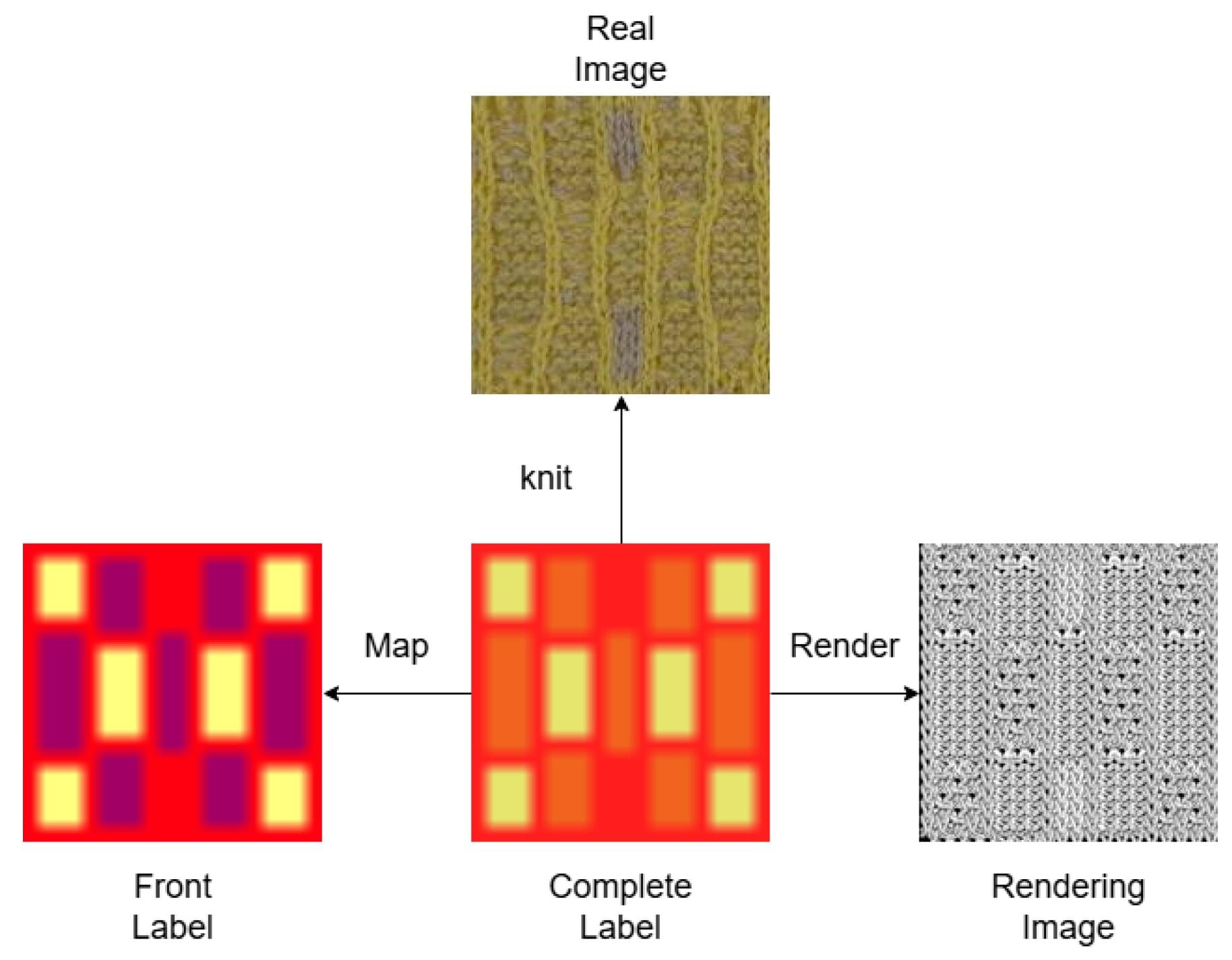
System converts fabric images into complete machine-readable knitting instructions
Recent advances in robotics and machine learning have enabled the automation of many real-world tasks, including various manufacturing and industrial processes. Among other applications, robotic and artificial intelligence (AI) systems have been successfully used to automate some steps in manufacturing clothes.
Researchers at Laurentian University in Canada recently set out to explore the possibility of fully automating the knitting of clothes. To do this, they developed a model to convert fabric images into comprehensive instructions that knitting robots could read and follow. Their model, outlined in a paper published in Electronics, was found to successfully realize patterns for the creation of single-yarn and multi-yarn knitted items of clothing.
“Our paper addresses the challenge of automating knitting by converting fabric images into machine-readable instructions,” Xingyu Zheng and Mengcheng Lau, co-authors of the paper, told Tech Xplore.
Scientists Build First-Ever ‘Black Hole Bomb’ Analog
Researchers have created the first laboratory analog of the ‘black hole bomb’, a theoretical concept developed by physicists in the 1970s.

TikTok Slammed With €530 Million GDPR Fine for Sending E.U. Data to China
TikTok fined €530M for illegally transferring EEA user data to China, violating GDPR Article 46.

How to Automate CVE and Vulnerability Advisory Response with Tines
Workflow slashes CVE ticketing time by 60% using Tines, CrowdStrike, and ServiceNow for faster action.

MintsLoader Drops GhostWeaver via Phishing, ClickFix
Stealth malware MintsLoader delivers GhostWeaver RAT + Evades sandboxes using DGA + Powers data theft via encrypted C2

Microsoft Sets Passkeys Default for New Accounts; 15 Billion Users Gain Passwordless Support
Microsoft now defaults new accounts to passkeys instead of passwords + Safer logins + Reduced phishing risk.

Supercharged Qubits: How MIT’s Quarton Coupler Accelerates Quantum Computing
A new MIT-designed circuit achieves record-setting nonlinear coupling, allowing quantum operations to occur dramatically faster.
The heart of this advance is the “quarton coupler,” which boosts both light-matter and matter-matter interactions. This progress could lead to quicker quantum readouts, crucial for error correction and computation fidelity.
Unlocking Quantum Computing’s Speed Potential.

Inside the EV startup secretly backed by Jeff Bezos
Jeff Bezos is funding a secretive EV startup based in Michigan called Slate Auto that could start production as soon as next year, according to multiple sources and documents that link the billionaire’s family office to the startup.
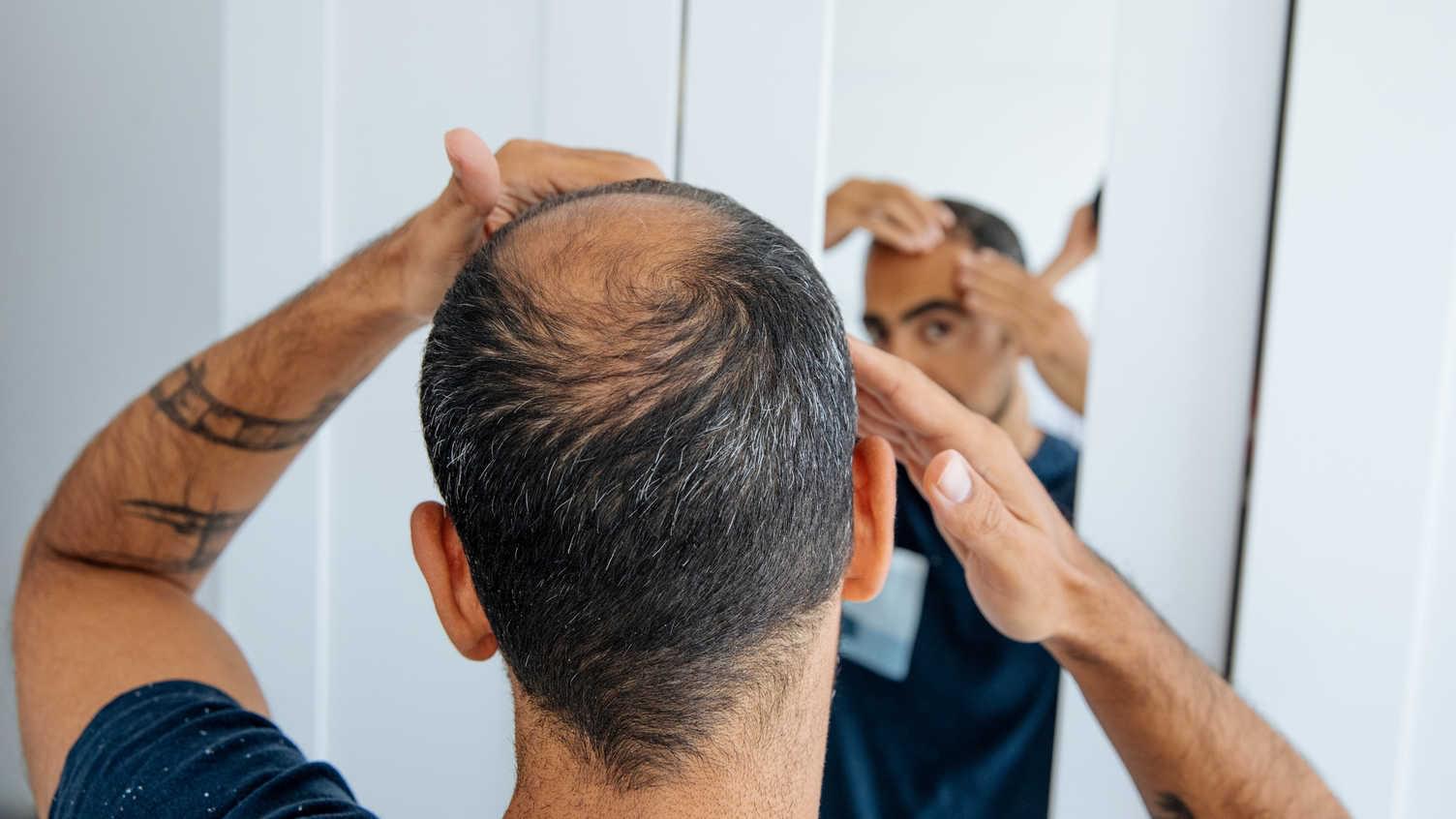
Cure for male pattern baldness given boost by sugar discovery
In a study published in the journal Frontiers in Pharmacology, researchers have discovered that a sugar called 2-deoxy-D-ribose (2dDR), which plays a fundamental role in various biological processes both in animals and humans, can stimulate hair to regrow in mice.
Over the past eight years, scientists from Sheffield and COMSATS University Pakistan have been studying how the sugar can help to heal wounds by promoting the formation of new blood vessels. During the research, the team also noticed that hair around the healing wounds appeared to grow more quickly compared to those that hadn’t been treated.
To explore this further, the scientists established a model of testosterone driven hair loss in mice — similar to the cause of pattern baldness in men. The team found that applying a small dose of the naturally occurring sugar helped to form new blood vessels, which led to hair regrowing.
Findings from the study show that the deoxy ribose sugar is as effective at regrowing hair as Minoxidil — an existing drug used to treat hair loss. However, the research offers a potential alternative approach to stimulating hair growth through a naturally occurring deoxy ribose sugar-from 2024.
The key to curing male pattern baldness — a condition that affects up to 50 per cent of men worldwide — could lie in a sugar that naturally occurs in the human body, according to scientists at the University of Sheffield.