
New findings change how Vesta is defined as not quite an asteroid or a planet.
Get the latest international news and world events from around the world.
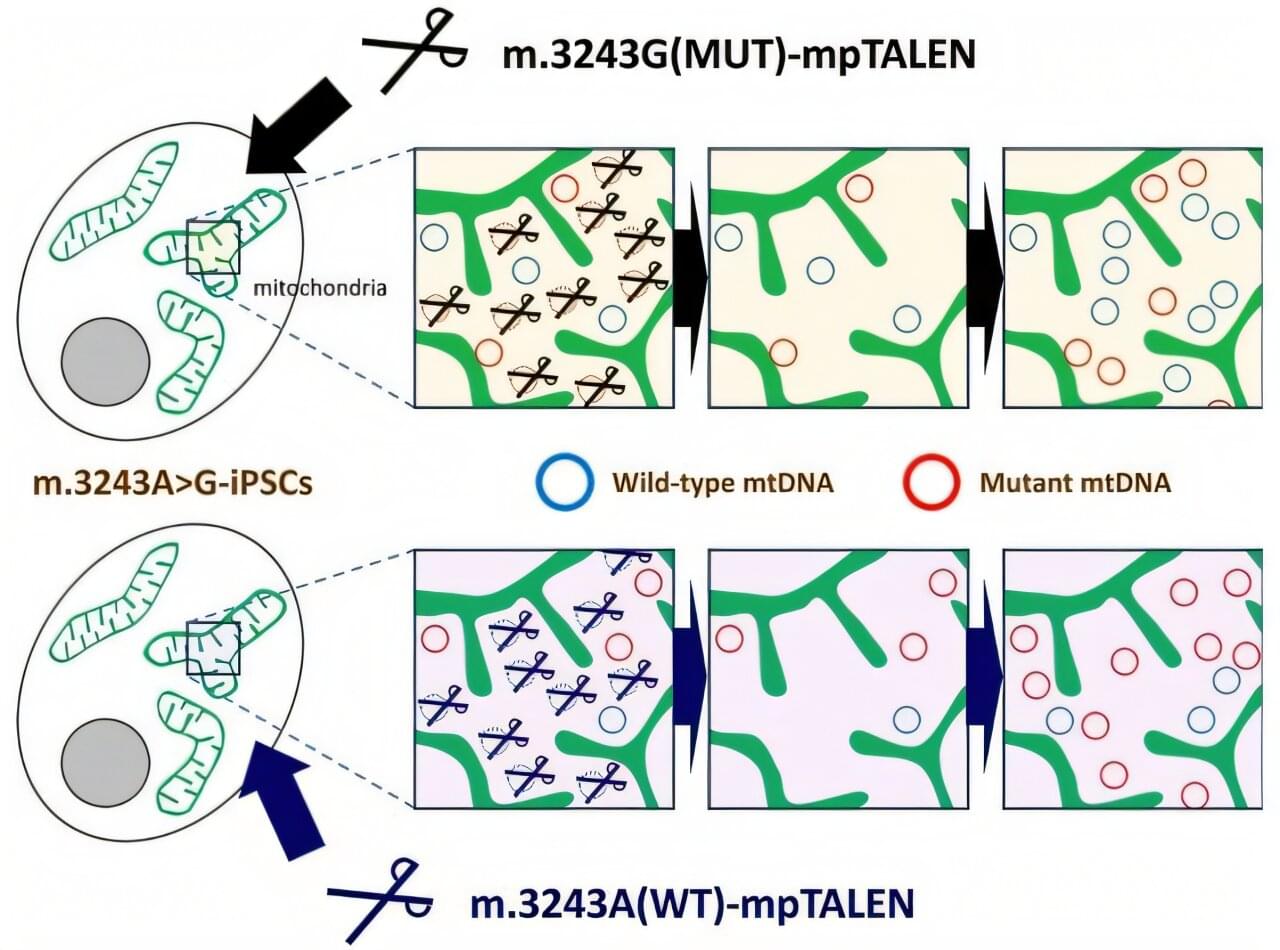
Engineered enzymes enable precise control of mitochondrial DNA mutation levels in cells
Mitochondrial diseases affect approximately 1 in 5,000 people worldwide, causing debilitating symptoms ranging from muscle weakness to stroke-like episodes. Some of these conditions result from mutations in mitochondrial DNA (mtDNA), the genetic material housed in these organelles. For patients with the common m.3243A>G mutation, which can cause MELAS syndrome (mitochondrial myopathy, encephalopathy, lactic acidosis, and stroke-like episodes) and diabetes mellitus, treatments remain limited.

How ‘jumping genes’ infiltrate DNA during cell division
Viruses are known to use the genetic machinery of the human cells they invade to make copies of themselves. As part of the process, viruses leave behind remnants throughout the genetic material (genomes) of humans. The virus-like insertions, called “transposable elements,” are snippets of genetic material even simpler than viruses that also use host cell machinery to replicate.
Nearly all these inserted elements have been silenced by our cells’ defense mechanisms over time, but a few, nicknamed “jumping genes,” can still move around the human genome like viruses. Just one, called long interspersed nuclear element 1 (LINE-1), can still move by itself.
As an element type that behaves like the retrovirus HIV, the LINE-1 “retrotransposon” is first copied into a molecule of RNA, the genetic material that partners with DNA, and then the RNA LINE-1 copy is converted back into DNA in a new place in the genome.
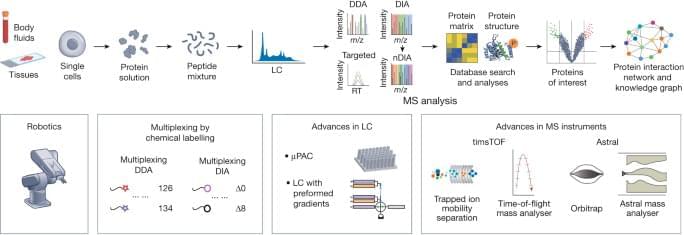
Mass-spectrometry-based proteomics: from single cells to clinical applications
This Review summarizes advances in mass-spectrometry-based proteomics and explores the potential applications of these technologies in the clinic.

Helping ALS Patients Regain Functional Head-Neck Movements via Neck Exoskeleton Technologies
Director of the Utah NeuroRobotics Lab and ECE assistant professor Jacob George, along with mechanical engineering assistant professor Haohan Zhang, […]
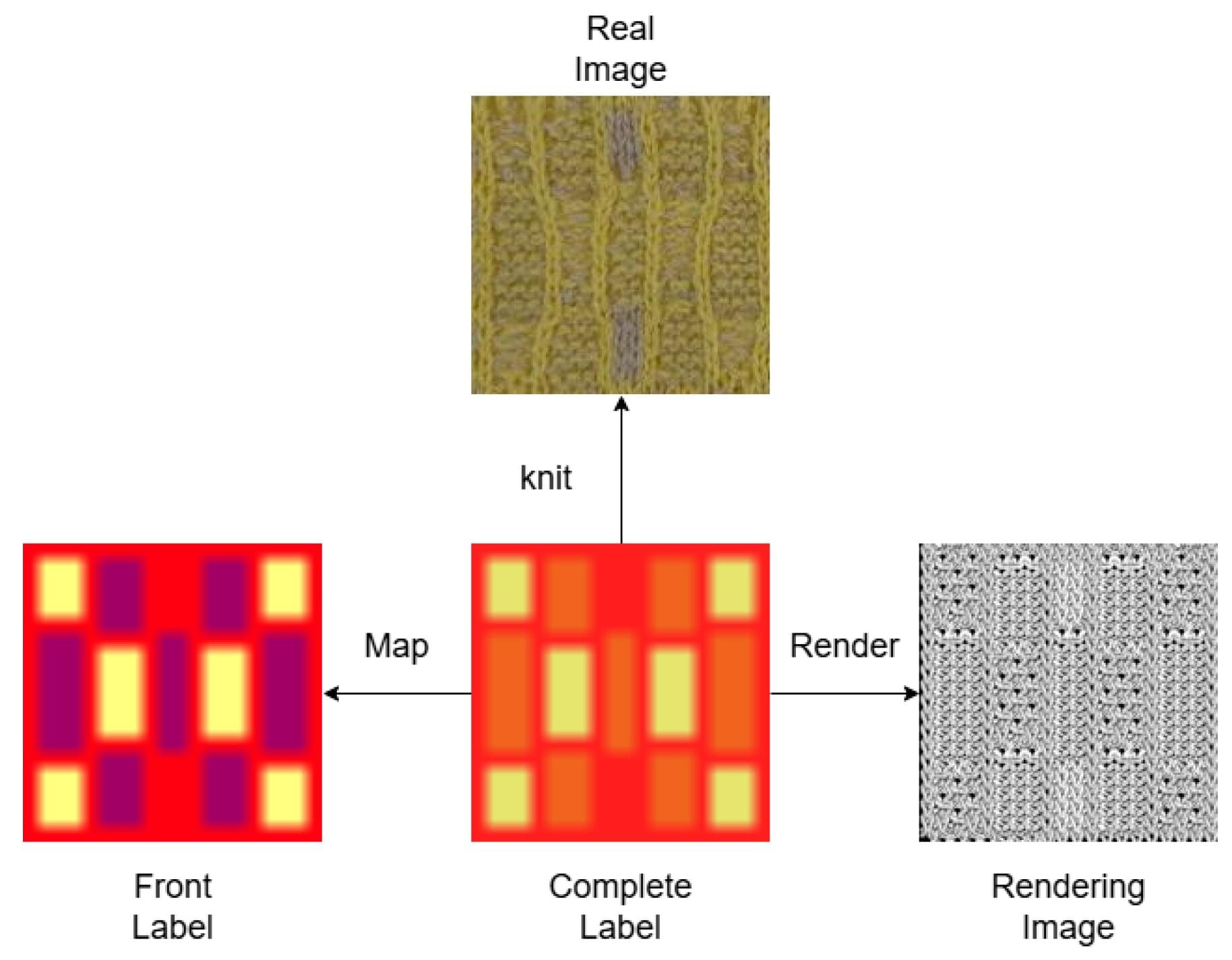
System converts fabric images into complete machine-readable knitting instructions
Recent advances in robotics and machine learning have enabled the automation of many real-world tasks, including various manufacturing and industrial processes. Among other applications, robotic and artificial intelligence (AI) systems have been successfully used to automate some steps in manufacturing clothes.
Researchers at Laurentian University in Canada recently set out to explore the possibility of fully automating the knitting of clothes. To do this, they developed a model to convert fabric images into comprehensive instructions that knitting robots could read and follow. Their model, outlined in a paper published in Electronics, was found to successfully realize patterns for the creation of single-yarn and multi-yarn knitted items of clothing.
“Our paper addresses the challenge of automating knitting by converting fabric images into machine-readable instructions,” Xingyu Zheng and Mengcheng Lau, co-authors of the paper, told Tech Xplore.
Scientists Build First-Ever ‘Black Hole Bomb’ Analog
Researchers have created the first laboratory analog of the ‘black hole bomb’, a theoretical concept developed by physicists in the 1970s.

TikTok Slammed With €530 Million GDPR Fine for Sending E.U. Data to China
TikTok fined €530M for illegally transferring EEA user data to China, violating GDPR Article 46.

How to Automate CVE and Vulnerability Advisory Response with Tines
Workflow slashes CVE ticketing time by 60% using Tines, CrowdStrike, and ServiceNow for faster action.

MintsLoader Drops GhostWeaver via Phishing, ClickFix
Stealth malware MintsLoader delivers GhostWeaver RAT + Evades sandboxes using DGA + Powers data theft via encrypted C2