Toggle light / dark theme

Get the latest international news and world events from around the world.

Log in for authorized contributors

Gene editing creates compact goldenberry plants suitable for large-scale farming

Goldenberries taste like a cross between pineapple and mango, pack the nutritional punch of a superfood, and are increasingly popular in U.S. grocery stores. But the plants that produce these bright yellow-orange fruits grow wild and unruly—reaching heights that make large-scale farming impractical.

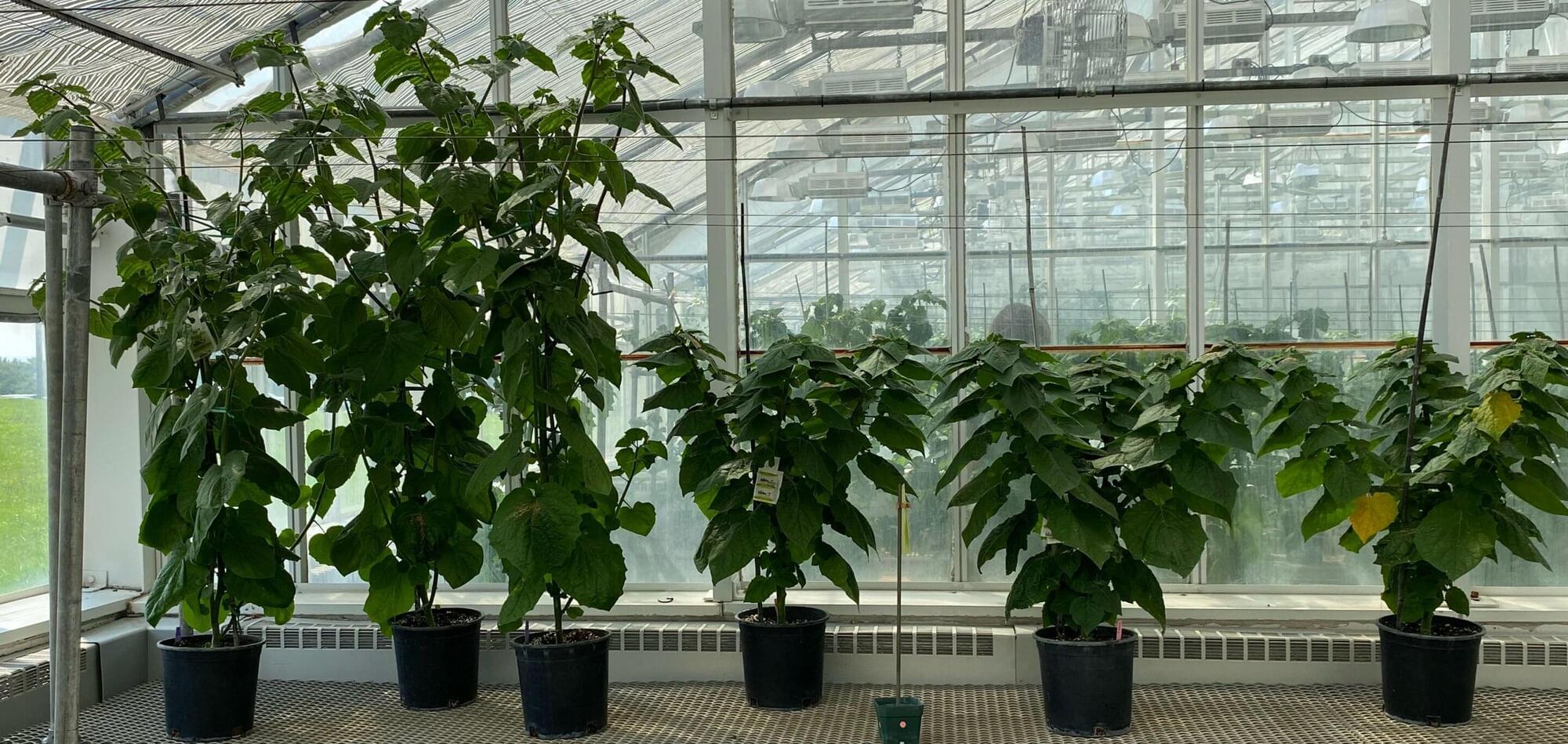
Researchers at the Boyce Thompson Institute (BTI) helped solve that problem. Using CRISPR gene editing, a collaborative team including BTI professor Joyce Van Eck engineered compact goldenberry plants that are 35% shorter than their wild relatives, making them viable for commercial agriculture.

“Goldenberry has tremendous potential as a nutritious crop, but its large, bushy growth habit has hindered commercial production,” said Van Eck. “These new compact plants can be grown at higher density, don’t require extensive staking or trellising, and are much easier to maintain and harvest.”

LLMs choose friends and colleagues like people, researchers find

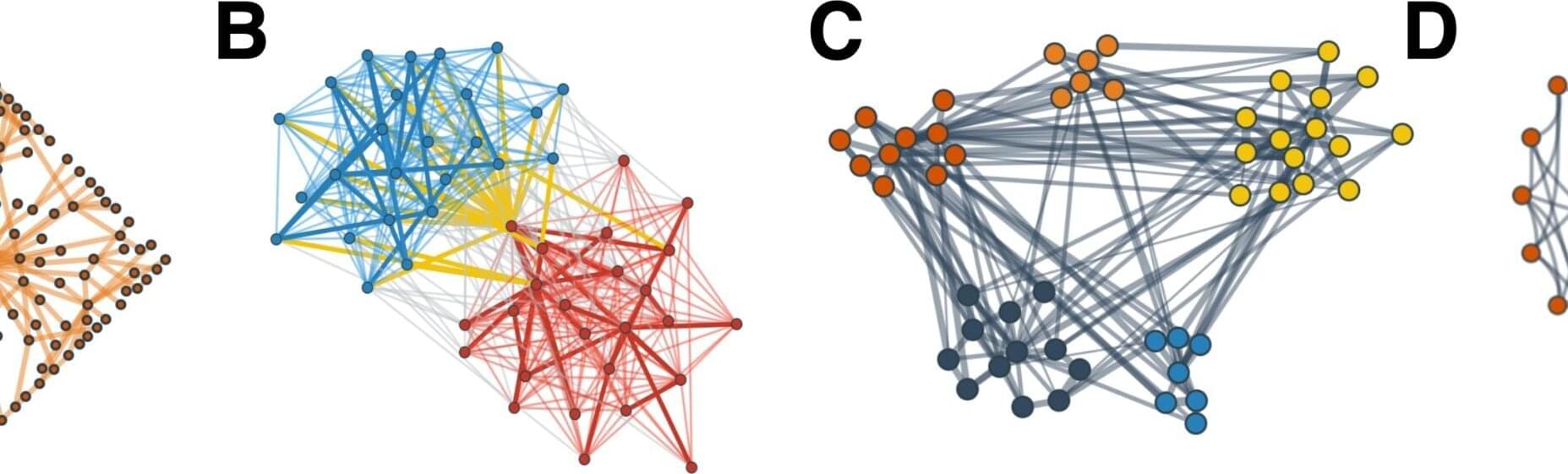
When large language models (LLMs) make decisions about networking and friendship, the models tend to act like people, across both synthetic simulations and real-world network contexts.

Marios Papachristou and Yuan Yuan developed a framework to study network formation behaviors of multiple LLM agents and compared these behaviors against human behaviors. The paper is published in the journal PNAS Nexus.

Study finds virus ‘socializing’ influences effectiveness of antiviral drugs

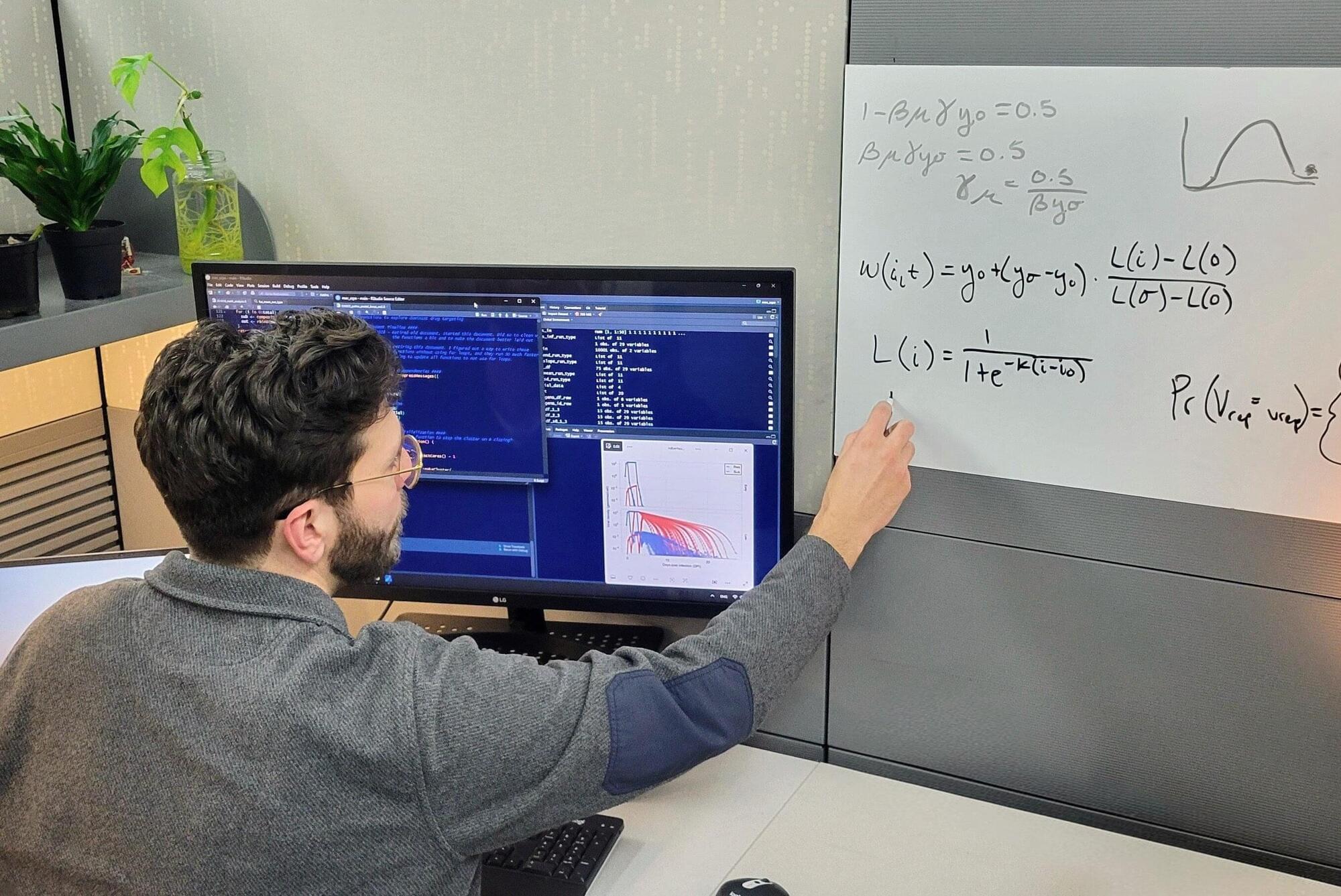
Interactions among viruses can help them succeed inside their hosts or impart vulnerabilities that make them easier to treat. Scientists are learning the ways viruses mingle inside the cells they infect, as well as the consequences of their socializing.

Ph.D. student Alexander J. Robertson in the Molecular & Cellular Biology program at the University of Washington is among those scientists.

“I study the evolution of antimicrobial resistance through mechanisms which require interaction between microbes,” he explained.

Scientists shed new light on the shared genetic basis of psychiatric disorders

New research uncovers how shared genes contribute to various psychiatric disorders. This breakthrough highlights the importance of pleiotropic genes—those affecting multiple conditions—and offers new avenues for mental health treatment development.

Children with better musical skills may benefit from a prolonged window of brain plasticity

Children who excel at keeping the beat may possess brains that mature more slowly, extending their capacity for learning. A new longitudinal twin study indicates that this prolonged development is shaped by both genetic predispositions and musical engagement.

China unveils planetary exploration roadmap targeting habitability and extraterrestrial life

Great, but where on earth is the EU in this new space race?


HELSINKI — China is charting a long-term deep space strategy centered on planetary habitability and the search for extraterrestrial life, according to a newly revealed mission roadmap.

A slide titled “habitability and search for extraterrestrial life — guiding the future development of China’s planetary exploration,” was shared on Chinese social media by the country’s Deep Space Exploration Laboratory (DSEL), a national-level research institution under the China National Space Administration (CNSA). It outlines a number of planned and potential missions, many with astrobiological implications.

The first mission is the Tianwen-3 Mars sample return mission, already approved and currently scheduled to launch around late 2028. Among its main objectives is investigating potential traces of past or present life on Mars.

/* */