
We’re on a journey to advance and democratize artificial intelligence through open source and open science.
Get the latest international news and world events from around the world.

Scientists use light to capture elusive electrical double layers
Researchers have developed a novel optical technique to observe the incredibly fast formation of electrical double layers (EDLs) in liquids.
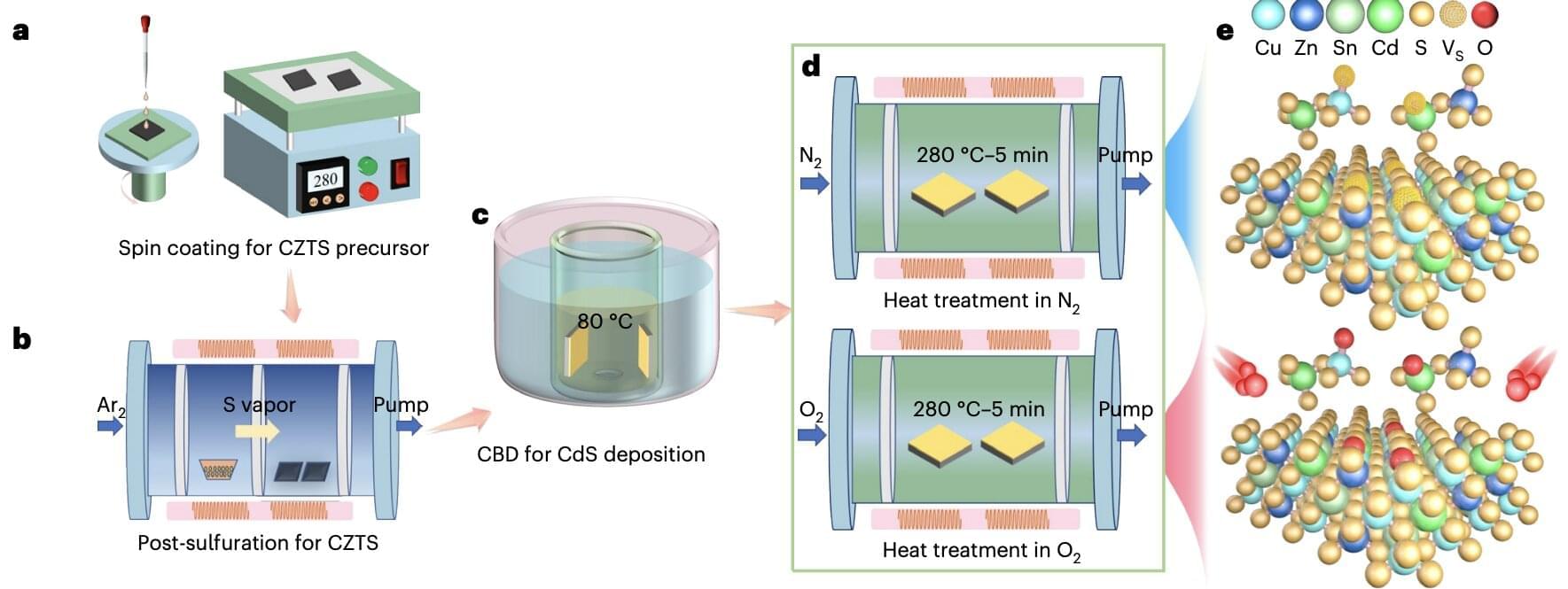
Passivation technique reduces defects in kesterite solar cells to achieve 11.51% efficiency
Over the past few decades, solar cells have become increasingly widespread, with a growing number of individuals and businesses worldwide now relying on solar energy to power their homes or operations. Energy engineers worldwide have thus been trying to identify materials that are promising for the development of photovoltaics, are eco-friendly and non-toxic, and can also be easily sourced and processed.
These include kesterite-based materials, such as Cu₂ZnSnS₄ (CZTS), a class of semiconducting materials with a crystal structure that resembles that of the naturally occurring mineral kesterite. Kesterite solar cells could have various advantages over the conventional silicon-based photovoltaics that are most used today, including lower manufacturing costs, a less toxic composition and greater flexibility.
Despite their potential, kesterite solar cells developed to date attain significantly lower power conversion efficiencies (PCEs) than their silicon counterparts. This is in great part due to atomic-scale defects in kesterite-based materials that trap charge carriers and prompt non-radiative recombination, a process that causes energy losses and thus reduces the solar cells’ performance.
Spy vs. spy: A new automated removal tool can stop most remote-controlled malware
Cyberattacks can snare workflows, put vulnerable client information at risk, and cost corporations and governments millions of dollars. A botnet—a network infected by malware—can be particularly catastrophic. A new Georgia Tech tool automates the malware removal process, saving engineers hours of work and companies money.
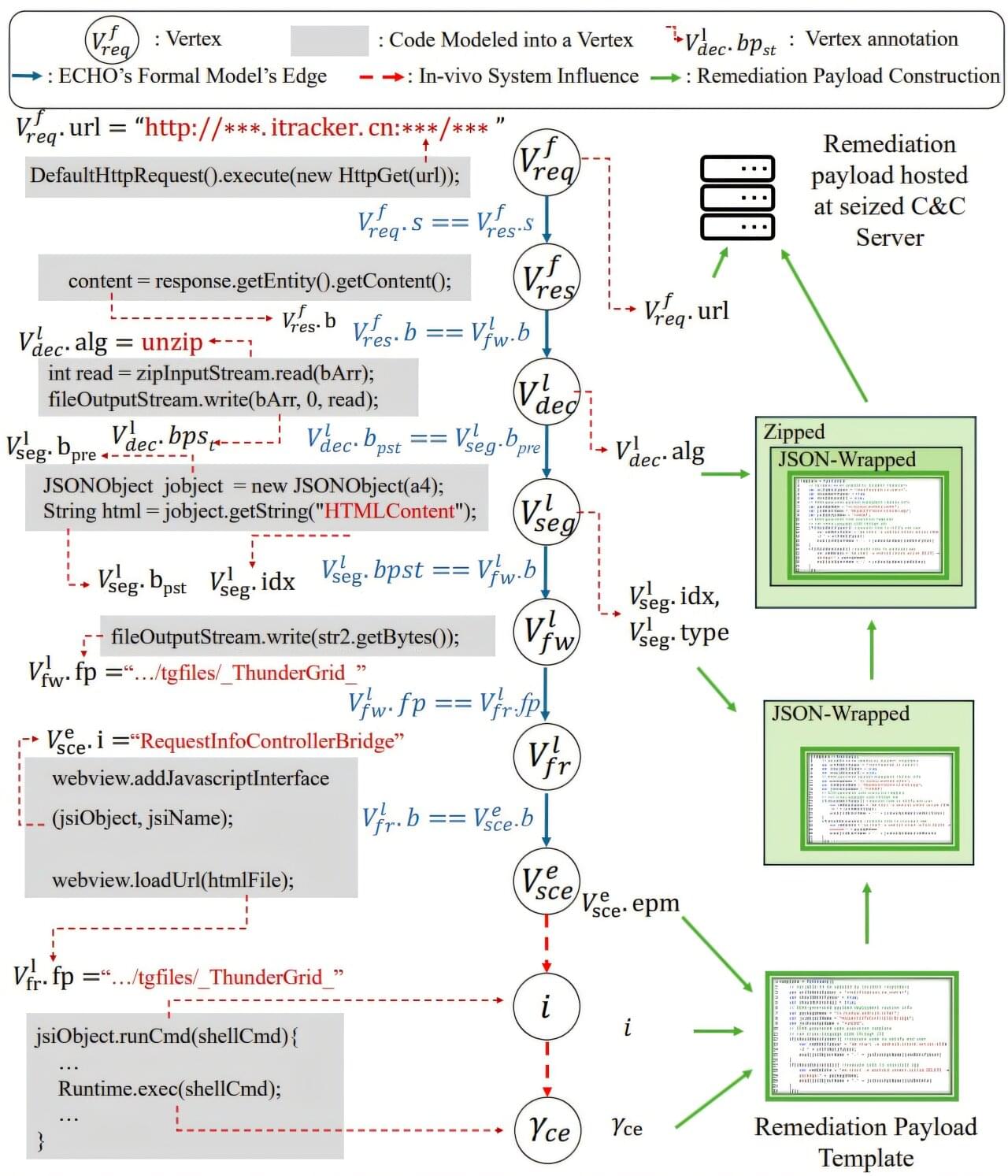
The tool, ECHO, turns malware against itself by exploiting its built-in update mechanisms and preventing botnets from rebuilding. ECHO is 75% effective at removing botnets. Removing malware used to take days or weeks to fix, but can now be resolved in a few minutes. Once a security team realizes their system is compromised, they can now deploy ECHO, which works fast enough to prevent the botnet from taking down an entire network.
“Understanding the behavior of the malware is usually very hard with little reward for the engineer, so we’ve made an automatic solution,” said Runze Zhang, a Ph.D. student in the School of Cybersecurity and Privacy (SCP) and the School of Electrical and Computer Engineering.

CEO of cybersecurity firm charged with installing malware on hospital systems
Veritaco CEO Jeffrey Bowie faces charges for allegedly installing malware on hospital computers, violating Oklahoma’s Computer Crimes Act.

AI Uncovers New Cause of Alzheimer’s
Researchers have discovered that a gene previously seen as a biomarker for Alzheimer’s disease, PHGDH, actually plays a causal role by disrupting gene regulation in the brain.

Caral burial unearthed at Áspero: Elite woman found remarkably preserved
Archaeologists from the Caral Archaeological Zone (ZAC), led by Dr. Ruth Shady Solís from the Ministry of Culture, have discovered a well-preserved burial at the Áspero archaeological site in Barranca Province, Peru.

Japan Has Successfully Used Drones to Trigger and Guide Lightning Strikes — Announcing a New Era of Storm Control
The system, designed to enhance protection for critical infrastructures, has proven its ability to withstand the immense force of lightning strikes while maintaining stable flight.

Making perovskite quantum dots at scale
Researchers in Japan have developed a mass-production technique for perovskite quantum dots, preparing for wide-scale use in everything from LED displays to crop technologies.
New review urges rigorous testing for single-atom catalysts in industry
Many modern industrial processes depend on complex chemistry. Take fertilizer production, for example: to make it, companies must first produce ammonia, a key ingredient.
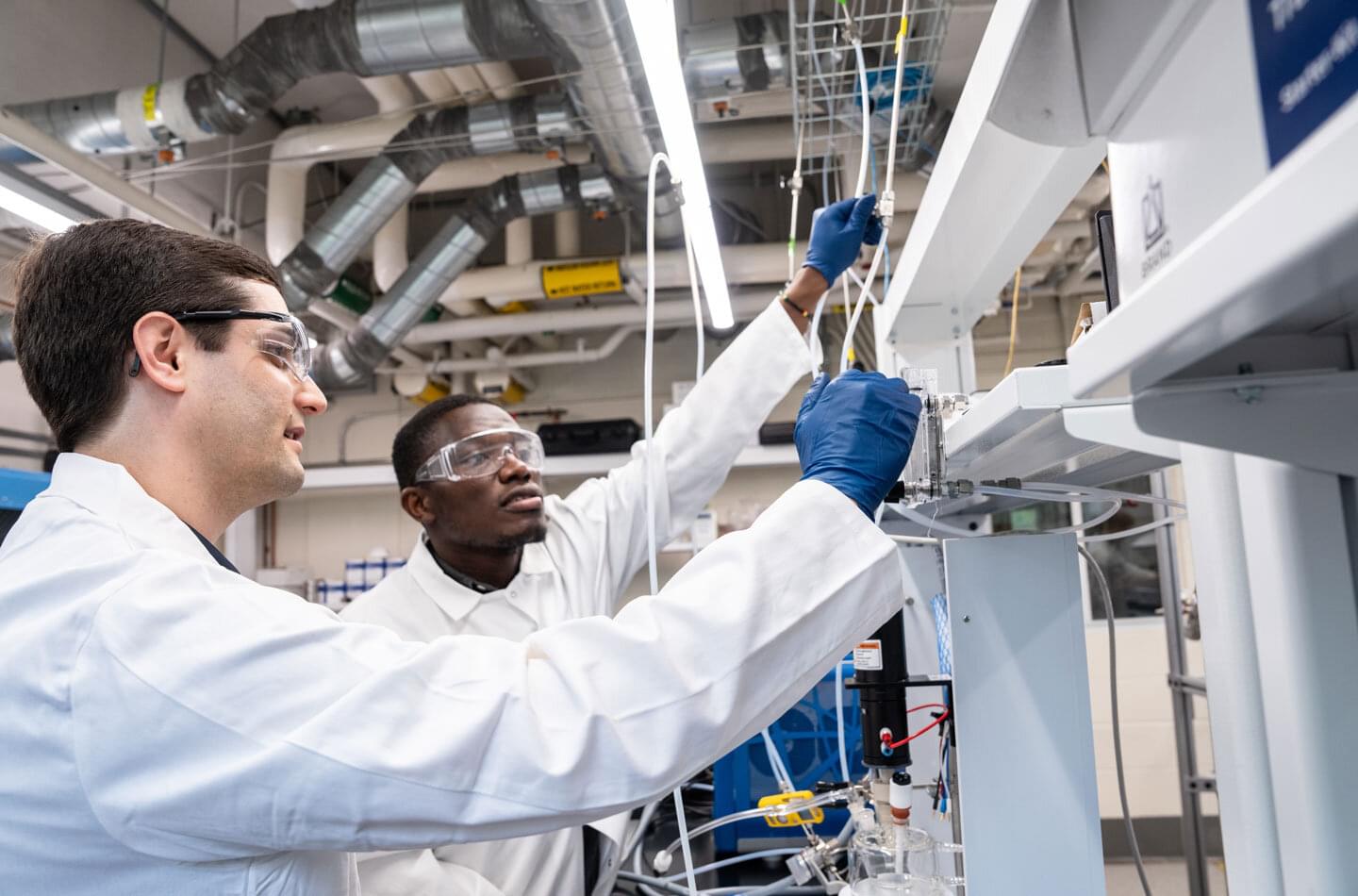
These chemical processes need ingredients of their own—catalysts, which speed up reactions without being consumed or creating unwanted byproducts.
One emerging type of catalyst—known as a “single-atom” or “atomically dispersed” catalyst—is getting a lot of attention for its potential to make industrial processes cleaner and more efficient. Academic journals are overflowing with studies on them.