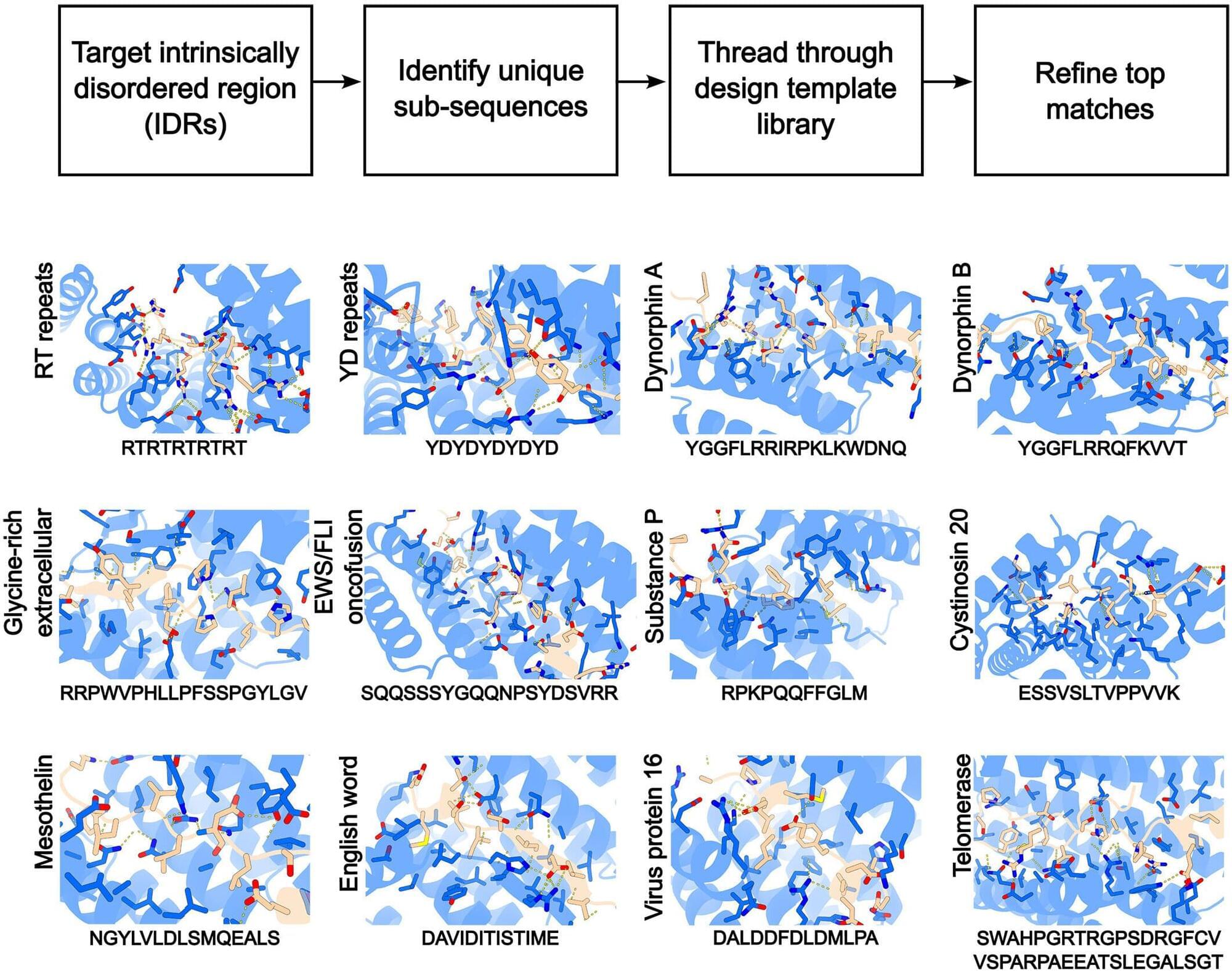
Scientists have discovered a new way to advance drug discovery and diagnostics by targeting a part of the proteome (the complete set of proteins in an organism) that was previously thought inaccessible to drug development, often referred to as “undruggable” targets.
Get the latest international news and world events from around the world.
Hidden neighbor: Astronomers confirm long-suspected companion star near Betelgeuse
Betelgeuse is one of the brightest stars in the night sky, and the closest red supergiant to Earth. It has an enormous volume, spanning a radius around 700 times that of the sun. Despite only being ten million years old, which is considered young by astronomy standards, it’s late in its life.
Located in the shoulder of the constellation Orion, people have observed Betelgeuse with the naked eye for millennia, noticing that the star changes in brightness over time. Astronomers established that Betelgeuse has a main period of variability of around 400 days and a more extended secondary period of around six years.
In 2019 and 2020, there was a steep decrease in Betelgeuse’s brightness—an event referred to as the “Great Dimming.” The event led some to believe that a supernova death was quickly approaching, but scientists were able to determine the dimming was actually caused by a large cloud of dust ejected from Betelgeuse.
Largest supernova dataset hints dark energy may be changing over time
It took about 50 exploding stars to upend cosmology. Researchers mapped and measured light from Type Ia supernovae, the dramatic explosion of a particular kind of white dwarf. In 1998, they announced their surprising results: Instead of slowing down or staying constant, our universe was expanding faster and faster. The discovery of “dark energy,” the unknown ingredient driving the accelerated expansion, was awarded a Nobel Prize.
Since the late ’90s, dozens of experiments using different telescopes and techniques have captured and published more than 2,000 Type Ia (pronounced “one A”) supernovae. But without correcting for those differences, using supernovae from separate experiments is often a case of comparing apples and oranges.
To unite the supernovae and more precisely measure dark energy’s role in our universe, scientists built the largest standardized dataset of Type Ia supernovae ever made. The compilation is called Union3 and was built by the international Supernova Cosmology Project (SCP), which is led by the Department of Energy’s Lawrence Berkeley National Laboratory (Berkeley Lab).
New Earth-sized exoplanet orbiting nearby star detected
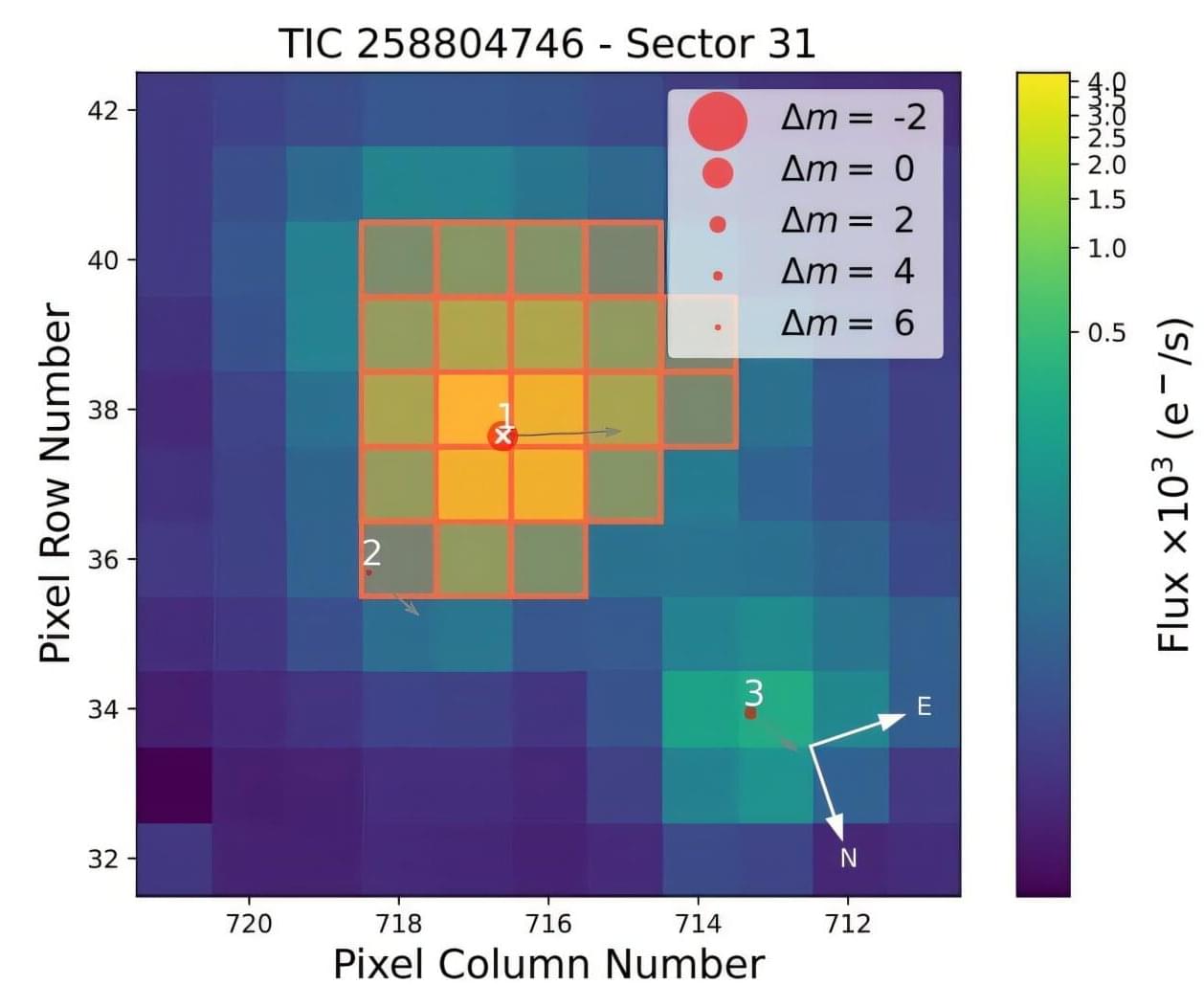
Using the Transiting Exoplanet Survey Satellite (TESS), an international team of astronomers has detected a new exoplanet orbiting a nearby star. The newfound alien world, designated TOI-2431 b, is comparable in size to Earth and has a very short orbital period. The finding was reported in a research paper published July 11 on the pre-print server arXiv.
NASA’s TESS monitors about 200,000 bright stars near Earth, looking for temporary drops in brightness caused by planetary transits. Since its launch in April 2018, the satellite has identified more than 7,600 candidate exoplanets (TESS Objects of Interest, or TOI), of which 638 have been confirmed so far.
Now, a team of astronomers led by Kaya Han Taş of the University of Amsterdam in the Netherlands, reports the confirmation of another TOI monitored by TESS. According to the paper, a transit signal has been detected in the light curve of TOI-2431—a star of spectral type KV7 located some 117 light years away. The planetary nature of this signal was confirmed by follow-up ground-based observations.

New approach allows drone swarms to autonomously navigate complex environments at high speed
Unmanned aerial vehicles (UAVs), commonly known as drones, are now widely used worldwide to tackle various real-world tasks, including filming videos for various purposes, monitoring crops or other environments from above, assessing disaster zones, and conducting military operations. Despite their widespread use, most existing drones either need to be fully or partly operated by human agents.
In addition, many drones are unable to navigate cluttered, crowded or unknown environments without colliding with nearby objects. Those that can navigate these environments typically rely on expensive or bulky components, such as advanced sensors, graphics processing units (GPUs) or wireless communication systems.
Researchers at Shanghai Jiao Tong University have recently introduced a new insect-inspired approach that could enable teams of multiple drones to autonomously navigate complex environments while moving at high speed. Their proposed approach, introduced in a paper published in Nature Machine Intelligence, relies on both a deep learning algorithm and core physics principles.
Optimists are alike, every pessimist has their own way
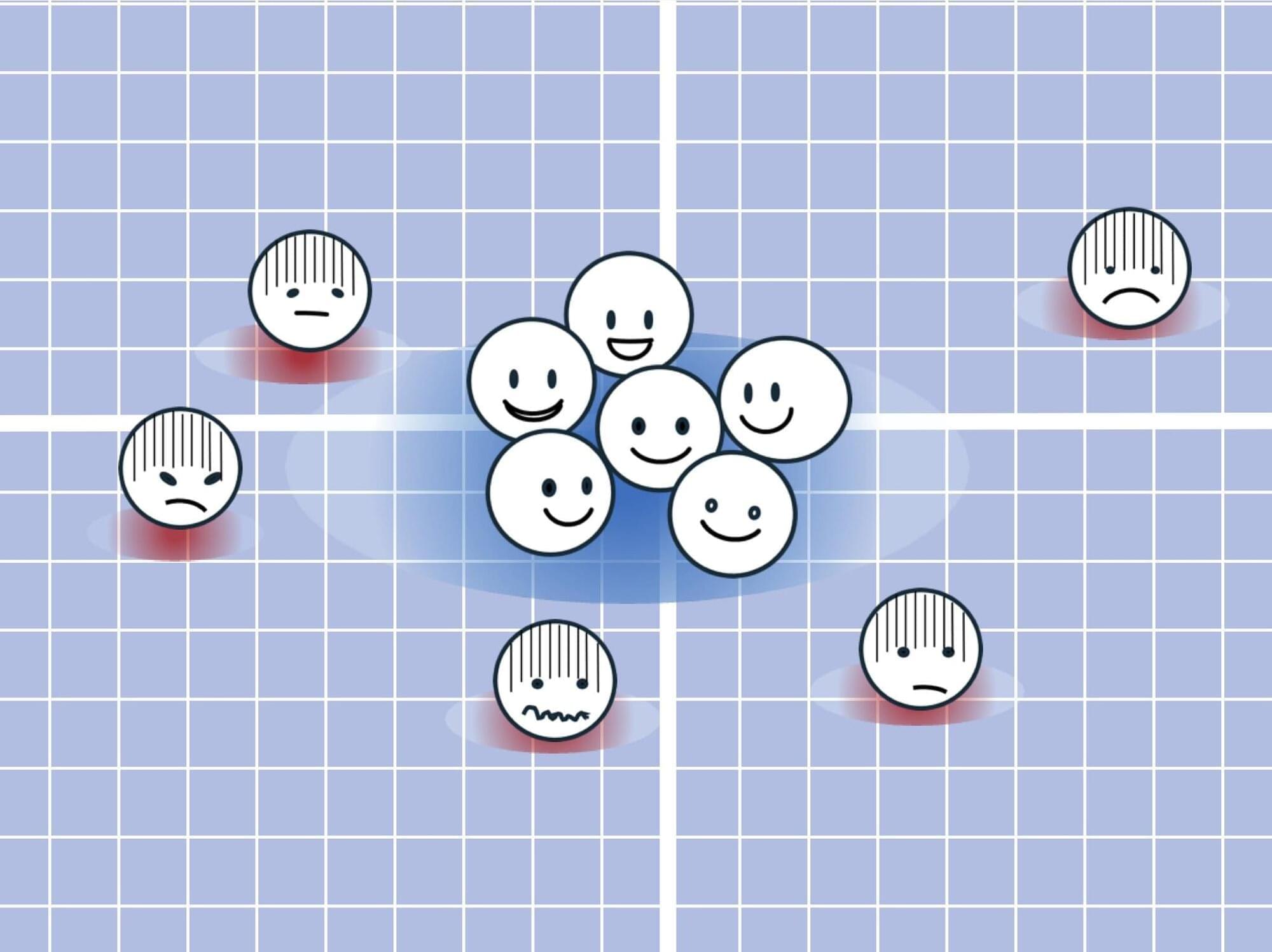
When thinking about future events, optimists’ brains work similarly, while pessimists’ brains show a much larger degree of individuality. The Kobe University finding offers an explanation why optimists are seen as more sociable—they may share a common vision of the future.
Optimists tend to be more satisfied with their social relationships and have wider social networks. Kobe University psychologist Yanagisawa Kuniaki says, “But what is the reason for this? Recent studies showed that the brains of people who occupy central social positions react to stimuli in similar ways. So it may be that people who share a similar attitude toward the future, too, truly envision it similarly in their brains and that this makes it easier for them to understand each other’s perspectives.”
To test this hypothesis, Yanagisawa assembled an interdisciplinary team from both the fields of social psychology and cognitive neuroscience. “The main reason why this question has remained untouched until now is that it exists in a gap between social psychology and neuroscience. However, the intersection of these two fields enabled us to open this black box.”
Hollow molecules selectively extract cyclohexane for greener hydrocarbon separation
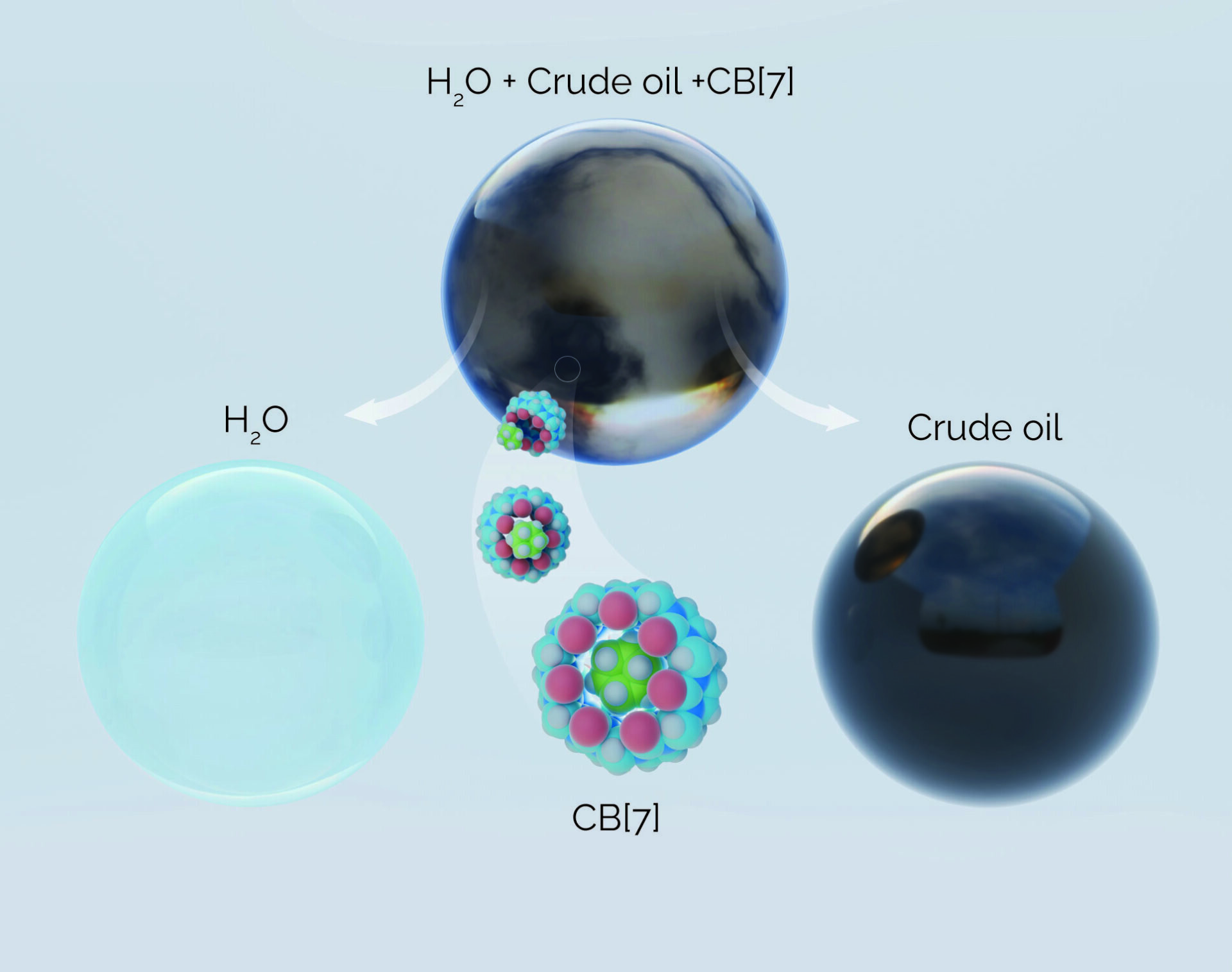
Hollow, pumpkin-shaped molecules can efficiently separate valuable hydrocarbons from crude oil, KAUST researchers have shown. These “molecular sieves,” known as cucurbiturils, could enable a more sustainable approach to producing raw materials for the chemicals industry.

This star survived a black hole—and came back for more
Lightning might not strike twice, but black holes apparently do. An international group of researchers led by Tel Aviv University astronomers observed a flare caused when a star falls onto a black hole and is destroyed.
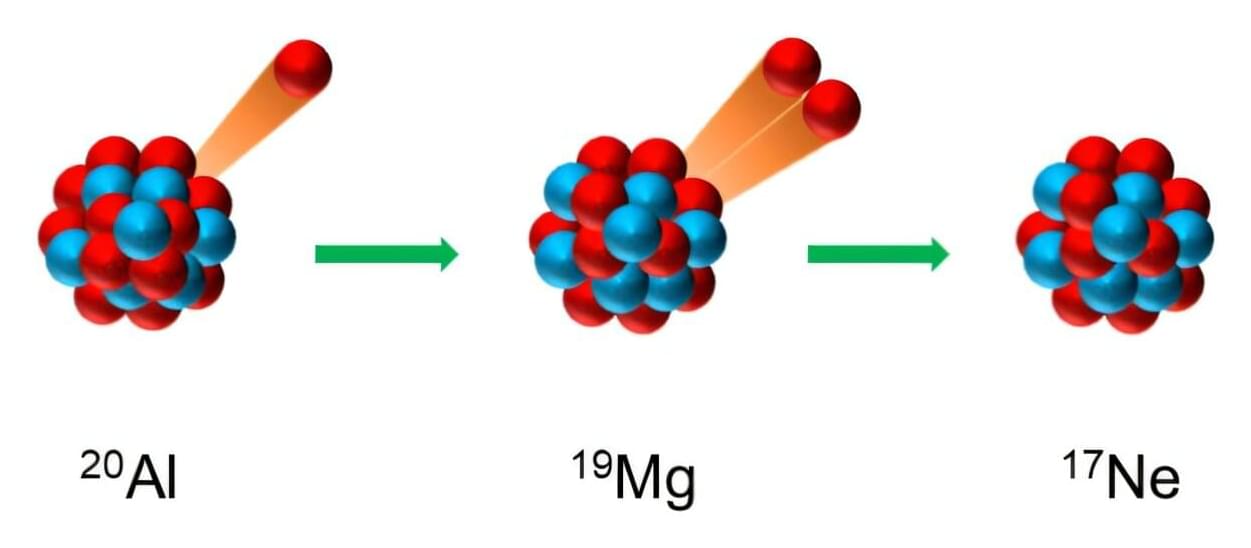
Physicists discover aluminum-20, a new three-proton-emitting isotope
Radioactive decay is a fundamental process in nature by which an unstable atomic nucleus loses energy by radiation. Studying nuclear decay modes is crucial for understanding properties of atomic nuclei. In particular, exotic decay modes like proton emission provide essential spectroscopic tools for probing the structure of nuclei far from the valley of stability—the region containing stable nuclei on the nuclear chart.
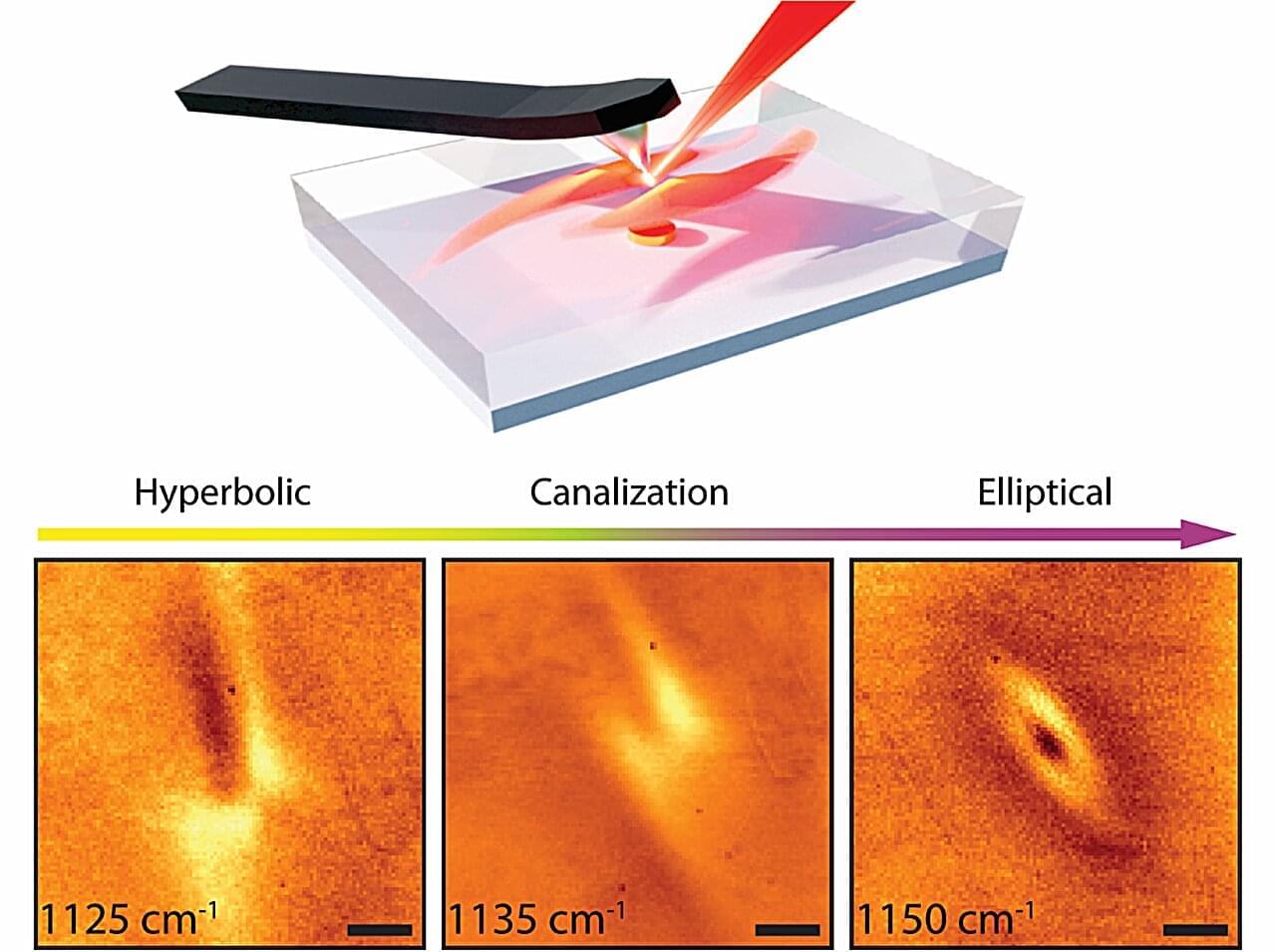
New light behavior discovered in gypsum
A new study published in Science Advances by researchers from the National Graphene Institute at University of Manchester and the University of Oviedo, has revealed a previously unseen behavior of light in gypsum, a mineral better known for its use in building plaster and chalk.