Blue Origin’s New Glenn rocket launched NASA’s ESCAPADE mission on Nov. 13, 2025. The rocket’s first stage landed on a droneship in the Atlantic Ocean for the first time ever.
Credit: Blue Origin
Blue Origin’s New Glenn rocket launched NASA’s ESCAPADE mission on Nov. 13, 2025. The rocket’s first stage landed on a droneship in the Atlantic Ocean for the first time ever.
Credit: Blue Origin
Join us, Dr Sal Consoli (University of Edinburgh) and Dr Samantha Curle (University of Bath) for a dynamic 60-minute webinar celebrating the inaugural volume in the series Elements in Research Methods in Education series.
We will interview the author of How to Use Generative AI in Educational Research — Dr Jasper Roe, to explore why he chose this specific topic, the writing process behind this book, and how he hopes it will influence educational researchers and practitioners.
Then we’ll open the floor to attendees interested in contributing to the series. We will provide a unique opportunity to ask questions about the commissioning process, editorial expectations, and how to develop a successful proposal.
Still, it’s not clear what type of qubit will win in the long run. Each type has design benefits that could ultimately make it easier to scale. Ions (which are used by the US-based startup IonQ as well as Quantinuum) offer an advantage because they produce relatively few errors, says Islam: “Even with fewer physical qubits, you can do more.” However, it’s easier to manufacture superconducting qubits. And qubits made of neutral atoms, such as the quantum computers built by the Boston-based startup QuEra, are “easier to trap” than ions, he says.
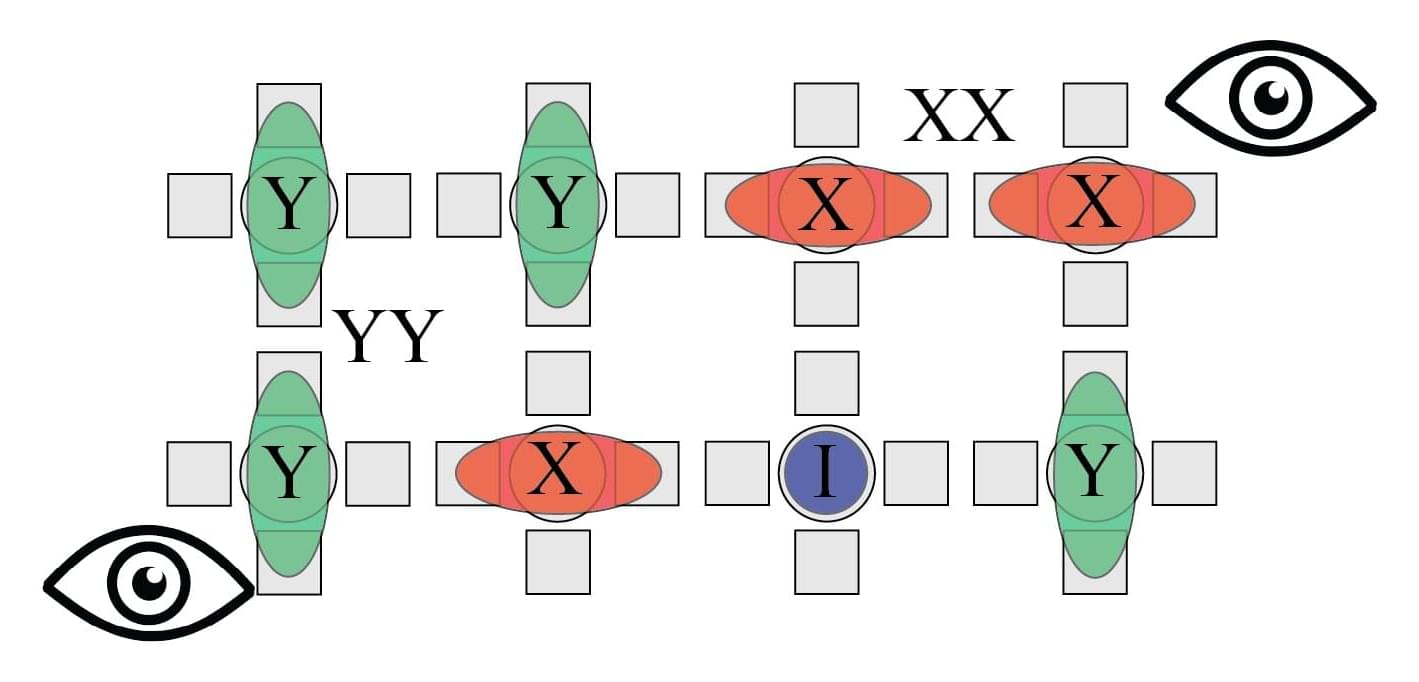
Besides increasing the number of qubits on its chip, another notable achievement for Quantinuum is that it demonstrated error correction “on the fly,” says David Hayes, the company’s director of computational theory and design, That’s a new capability for its machines. Nvidia GPUs were used to identify errors in the qubits in parallel. Hayes thinks that GPUs are more effective for error correction than chips known as FPGAs, also used in the industry.
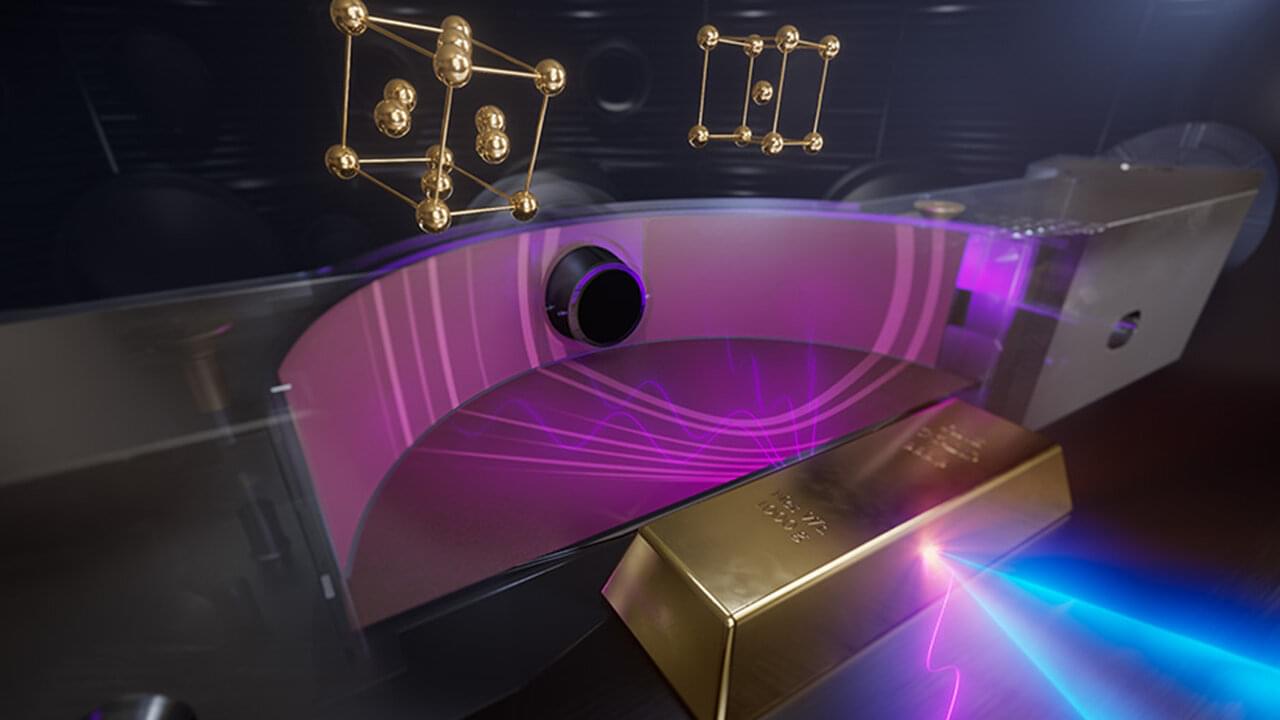
Quantinuum has used its computers to investigate the basic physics of magnetism and superconductivity. Earlier this year, it reported simulating a magnet on H2, Helios’s predecessor, with the claim that it “rivals the best classical approaches in expanding our understanding of magnetism.” Along with announcing the introduction of Helios, the company has used the machine to simulate the behavior of electrons in a high-temperature superconductor.
This herculean effort could help scientists unravel the causes of neurodevelopmental disorders. In one study, led by Arnold Kriegstein at the University of California, San Francisco, scientists found brain stem cells that are potentially co-opted to form a deadly brain cancer in adulthood. Other studies shed light on imbalances between excitatory and inhibitory neurons—these ramp up or tone down brain activity, respectively—which could contribute to autism and schizophrenia.
“Many brain diseases begin during different stages of development, but until now we haven’t had a comprehensive roadmap for simply understanding healthy brain development,” said Kriegstein in a press release. “Our map highlights the genetic programs behind the growth of the human brain that go awry during specific forms of brain dysfunction.”
Over a century ago, the first neuroscientists used brain cell shapes to categorize their identities. BICAN collaborators have a much larger arsenal of tools to map the brain’s cells.