
Methanol is a relatively clean-burning fuel that can be produced using a variety of feedstocks. Here’s why China is betting big on methanol.
Get the latest international news and world events from around the world.
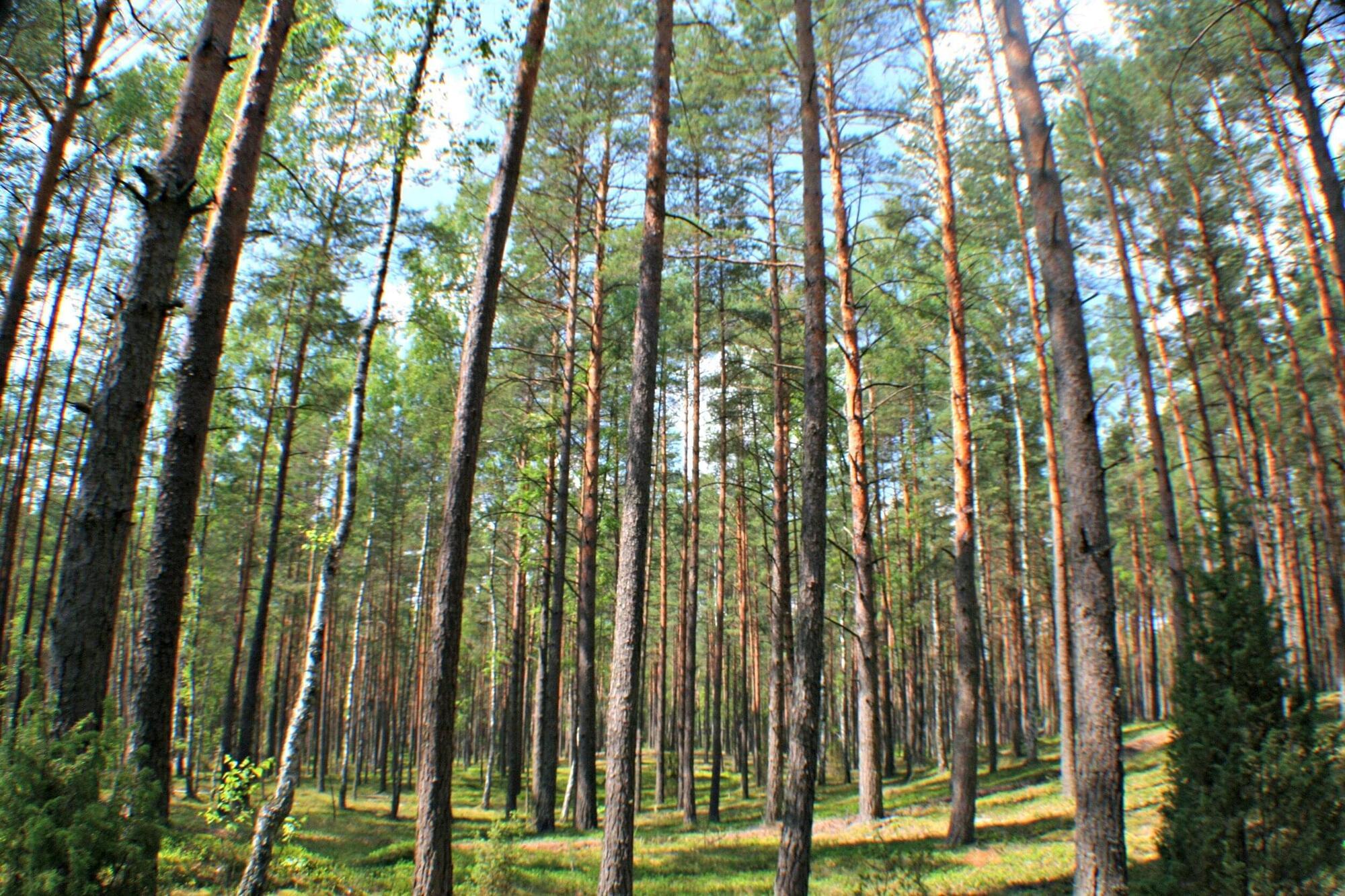
Climate-protecting carbon sinks of EU forests are declining
Forests cover about 40% of the EU’s land area. Between 1990 and 2022, they absorbed around 10% of the continent’s man-made carbon emissions. However, the carbon dioxide absorption capacity of forests, also known as carbon sinks, is becoming increasingly weaker.
This is shown by calculations of multi-year carbon budgets by an international team of researchers in a recent Nature study. The continuous decline in the carbon sink of our forests jeopardizes the EU’s climate targets. To halt or reverse the trend, the authors recommend practical measures in research and forest management.
Forests absorb carbon dioxide (CO₂) from the atmosphere, which they use for their metabolism and convert into biomass. Healthy and growing forests therefore act as carbon sinks, storing climate-damaging CO₂ from the atmosphere in the long term.

Transportation @ PNNL: Eliminating Critical Materials in Batteries
Pacific Northwest National Laboratory draws on its distinguishing strengths in chemistry, Earth sciences, biology and data science to advance scientific knowledge and address challenges in energy resiliency and national security. Founded in 1965, PNNL is operated by Battelle and supported by the Office of Science of the U.S. Department of Energy. The Office of Science is the single largest supporter of basic research in the physical sciences in the United States and is working to address some of the most pressing challenges of our time. For more information, visit the DOE Office of Science website. For more information about PNNL, visit PNNL’s News Center. Follow us on X, Facebook, LinkedIn and Instagram.
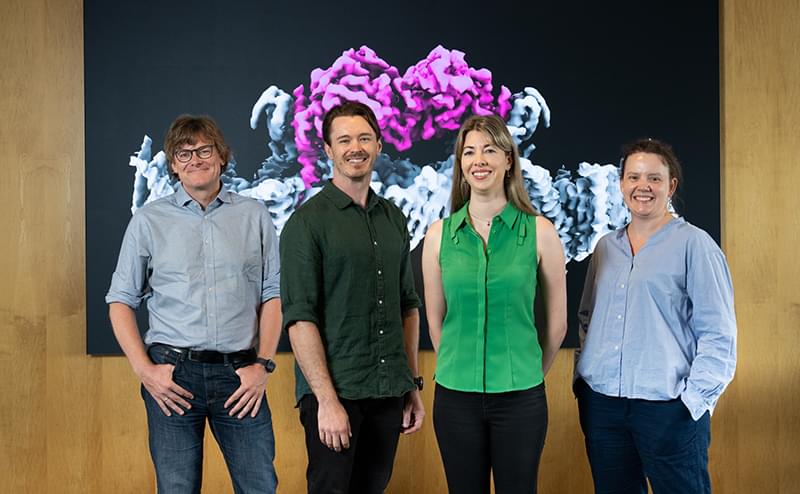
Scientists solve decades-long Parkinson’s mystery
WEHI researchers have made a huge leap forward in the fight against Parkinson’s disease, solving a decades-long mystery that paves the way for development of new drugs to treat the condition.
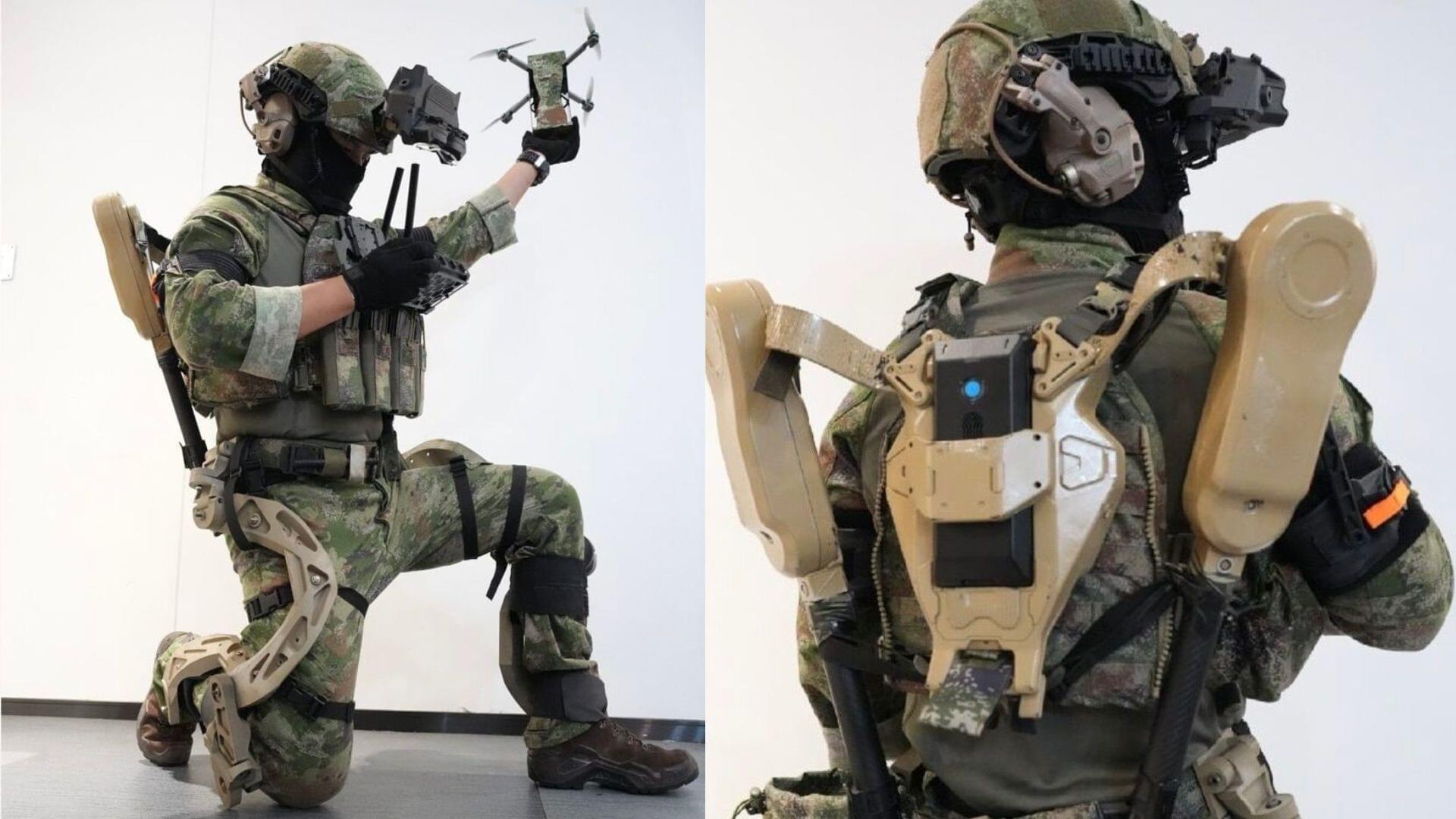
China’s cyborg battle suit gives soldiers drone-slinging superpower
China’s Kestrel Defense has introduced a new powered exoskeleton suit designed to improve the endurance, mobility, and situational awareness.
Brain imaging may identify patients likely to benefit from anxiety care app
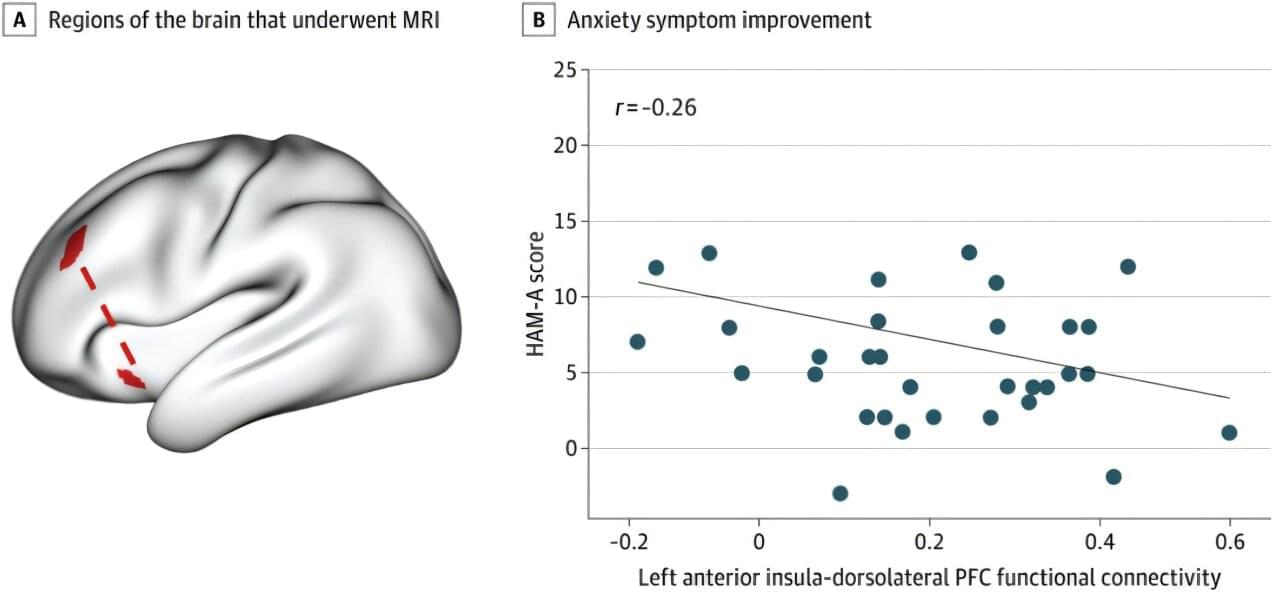
The preliminary study suggested that young people with weaker connections between two brain areas involved in both attending to and regulating responses to anxiety were more likely to benefit from a self-guided anxiety care app than those with stronger connections.
The study, published in JAMA Network Open, looked at data from a subset of clinical trial participants who agreed to undergo a brain MRI before using the anxiety care app developed by the investigators.
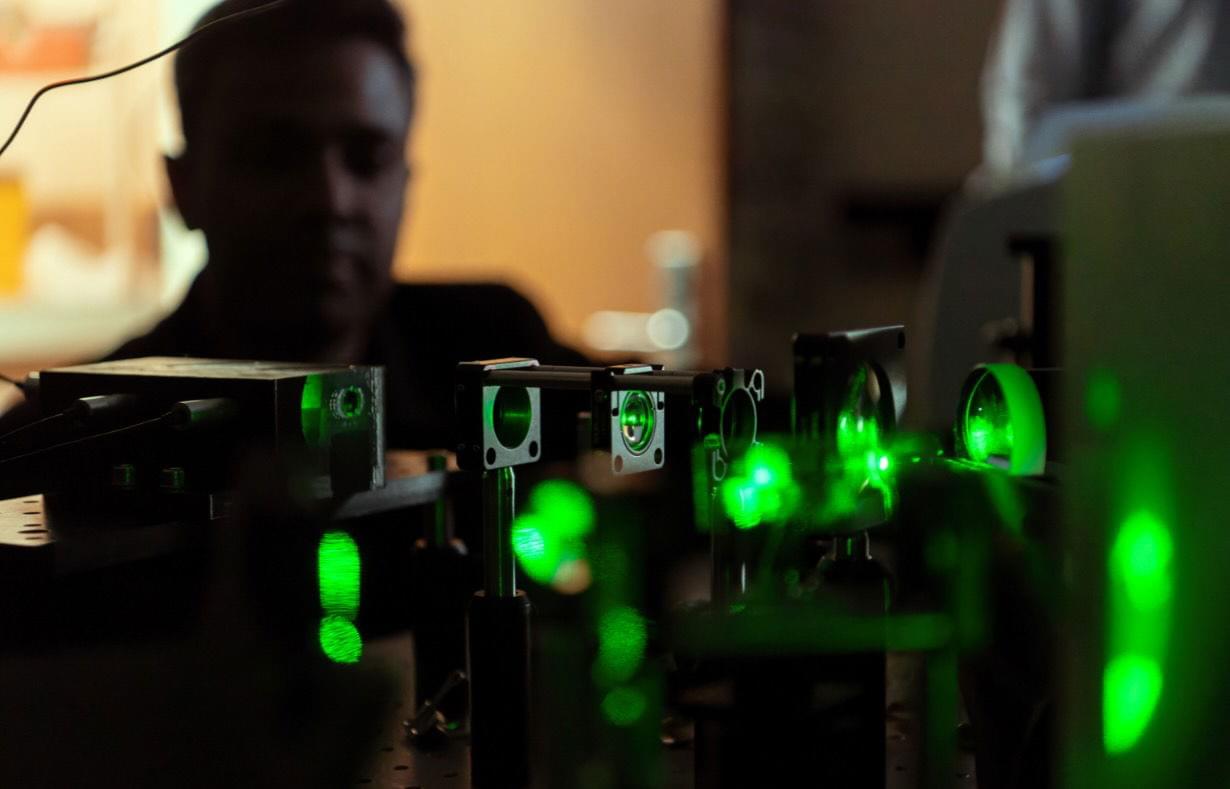
“We Are Actually Very Close to This Science Fiction”: Meta-Optical Tech May Soon Enable ‘Projection-Glasses,’ Novel Cameras, and More
Australia’s ARC Centre of Excellence for Transformative Meta-Optical Systems is working to overcome the limitations of optical technologies.

Observatory in Greece Achieves Deep-Space Laser Link With NASA’s ‘Psyche’
A milestone in space communication was celebrated in Athens, the capital of Greece, on Wednesday, as the National Observatory of Athens (NOA) was formally recognized by the European Space Agency (ESA) for its pivotal role in the first-ever optical communication link with a spacecraft in deep space, a landmark achievement in international space collaboration.
The groundbreaking laser communication link between NASA’s “Psyche” spacecraft—currently en route to Mars —and Greece’s Kryoneri Observatory in Corinth was established on July 7, 2025. The project, a joint effort by NASA and ESA, involved transmitting a laser message across nearly 300 million kilometers (about 186.4 million miles). The message, sent from Kryoneri, was received shortly afterward at the Helmos Observatory’s Aristarchos Telescope in Achaia, northern Peloponnese, just 37 kilometers (23 miles) away.
This experiment marked the deepest wideband optical communication link ever recorded in space.

New DARPA-Funded Project Aims to Unravel the Brain’s Learning Secrets
A USC Viterbi team will lead the study that could inform future diagnoses for neurological disorders and the development of next-generation bio-inspired AI.

Could Betelgeuse supernova cause extinction on Earth? Two ancient star explosions may have done just that
Could an exploding star – a supernova – cause a mass extinction on Earth? One study suggests that may have happened twice already.